Why Children Need Phonics Classes
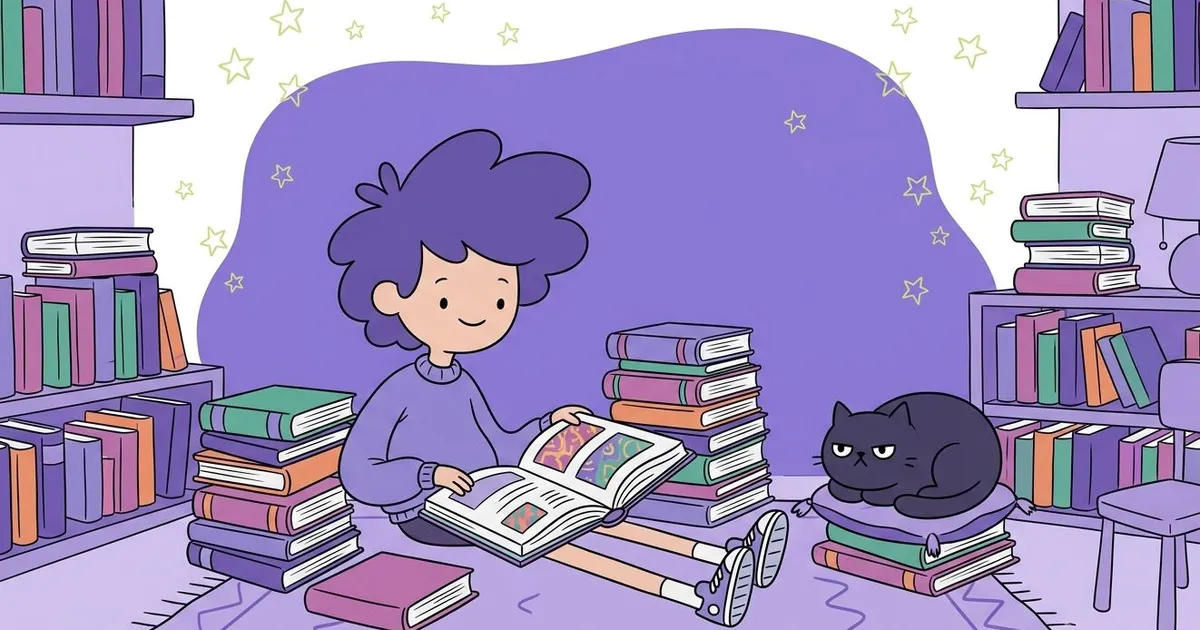
Phonics maps letters to speech sounds, so children decode words instead of guessing from pictures or memory. That is why children need phonics classes for reading success before reading turns into guesswork. A child who hears /m/, sees m, and blends it into map can use the same skill in milk, mat, and swim. Phonics is not all of reading, but it gives school-age readers a firm first step.
📥 Phonics Practice for Reading Success
Short sound, blending, and meaning activities for home practice
Leave your email — we'll send the PDF to your inbox.No spam — the PDF plus one short reminder. Unsubscribe anytime.
What Families Need to Know
English spelling looks messy until a child learns its patterns. The letters sh often say /sh/ as in ship. The letters ai often say /ay/ as in rain. A phonics class teaches these links in sequence, so children do not memorise every word as a picture.
This is the practical answer to why children need phonics classes for reading success: phonics gives children a route into new words, not only familiar ones. When a child meets sunset, they can split it into sun and set, blend the parts, and check the meaning.
What Phonics Does That Guessing Cannot Do
Children may read early by remembering books, pictures, and repeated lines. That can look like reading, but it often fails when picture support disappears. A child may “read” The dog is running because the page shows a dog, then struggle with The dog is resting on a plain worksheet.
Phonics reduces that risk. It teaches children to scan from left to right, connect letters with speech units, blend them, and ask, “Does this sound like a real word?” This habit builds accuracy. It helps parents see whether a child is reading the print or using nearby clues.
How to Use Phonics at Home
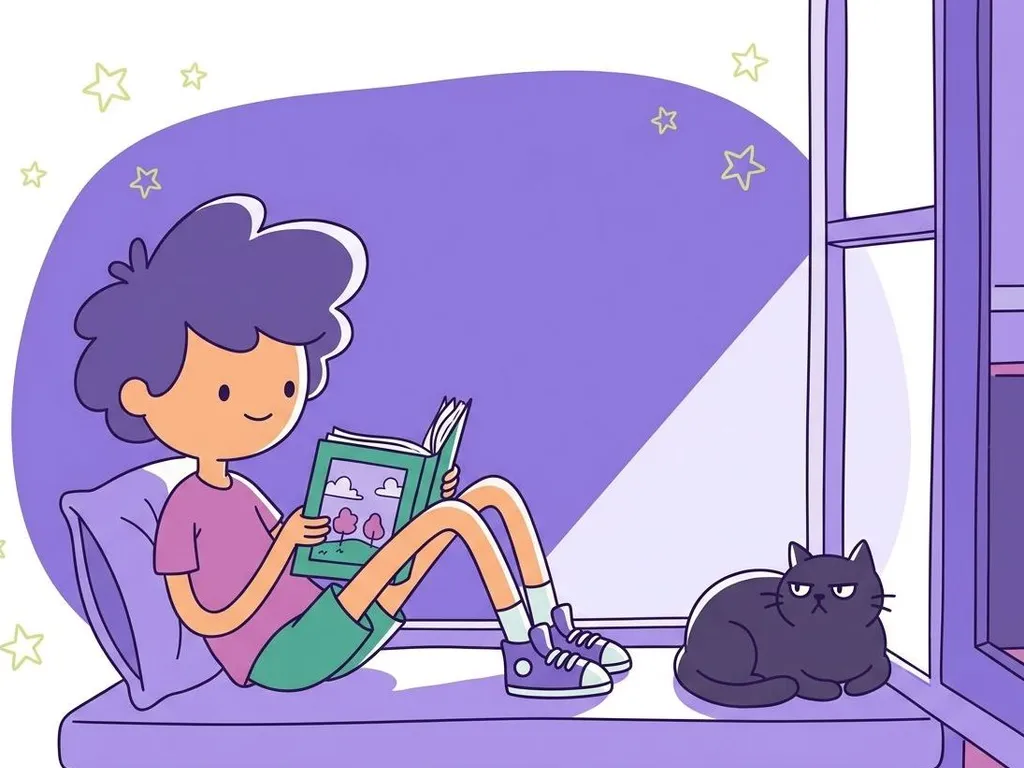
Home practice should be short, calm, and exact. Five minutes with three words beats twenty minutes of tired drilling. Choose one letter pattern, such as ch, and read a small set: chip, chat, chin, much. Ask your child to point to the letters that make the target sound.
Say phonemes cleanly. For m, say /mmm/, not “muh.” For s, say /sss/, not “suh.” Extra vowel noises make blending harder because m-a-t can become muh-a-tuh. This detail shows why children need phonics classes for reading success, especially when families use English as an extra language at home.
Examples by Age
Younger learners usually need playful listening work first. They can clap syllables in banana, hear the first sound in sun, match c to cat, and blend words such as sat, pin, and hop. Keep the mood light. Children learn more when the task feels possible.
School-age readers often need stronger decoding habits. They can sort words by patterns: cake, name, game; then cap, nap, map. They can read short decodable texts and mark the pattern they are practising. Older children may need phonics for longer words: un-help-ful, re-play-ing, in-struct-ion. This is not baby work; it is word structure.
Phonics, Vocabulary, and Meaning
Phonics alone does not make a reader. Children need rich talk, stories, background knowledge, and books they enjoy. A child can decode orbit and still not know what it means. Reading success comes when decoding and meaning grow together.
In a strong lesson, children connect phonics work with practical English. A child may practise the long a pattern in play, day, train, and game, then use those words in a sentence or short story. This keeps phonics from becoming a dry code and shows why children need phonics classes for reading success in real reading, not only word lists.
Choosing a Good Phonics Class
A strong phonics class has a clear order. It starts with easier letter links, returns to them often, and adds harder patterns step by step. The teacher listens to the child read aloud and corrects gently but directly. “Look at the first letter group again” works better than “Try harder.”
Ask whether the class includes blending, segmenting, spelling, and reading connected text. Blending means putting speech units together to read a word. Segmenting means breaking a spoken word into parts for spelling. Children need both because reading and spelling support each other.
Practical Activities for This Week
Use objects at home. Put a pen, cup, sock, and book on the table. Say, “Find the thing that starts with /s/.” Then change the task: “Which one ends with /k/?” This trains the ear before the page carries too much weight.
For children who already read short words, make a pattern hunt. Choose one spelling, such as ee. Look through a short book, cereal box, or website page together and collect words: see, green, three, need. Read each word, use it in a sentence, and check whether the same letters make the same pronunciation.
Ten-Minute Family Practice
Pick one pattern, such as sh. Write five words: ship, shop, fish, dish, wish. Ask your child to underline sh, read each word, choose two words for a silly sentence, and spell one word without looking. Stop while the work still feels light.
Common Problems and What They Mean
If a child guesses from the first letter, slow the reading down. Cover the picture, point under each letter group, and ask the child to blend through the whole word. If a child reads was for saw, the problem may be left-to-right tracking, not memory.
If a child can read in a lesson but not the next day, the pattern may need more review. That is normal. Reading grows through repeated returns. The case for why children need phonics classes for reading success is strongest when children meet the same pattern in reading, spelling, speaking, and games across several lessons.
- Start with one pattern and three to five words.
- Practise blending aloud before asking for speed.
- Try the same pattern in a sentence, not only in a list.
For reading and phonics support beyond the article examples, Scholastic Parents is a helpful independent resource for parents.
Frequently Asked Questions
At What Age Should Children Start Phonics?
Children can begin listening play at 4 or 5, especially through songs, rhymes, and first-letter games. Formal reading work should match attention and speech development. A 6-year-old may be ready for short blending tasks, while another child may need more listening games first. The goal is steady progress, not racing.
Can Bilingual Children Learn Phonics in English?
Yes. Bilingual and multilingual children can learn English phonics, but they may need direct help with pronunciation patterns missing from their other languages. For example, th in three or this may need careful mouth practice. Their other languages are not a problem; they are part of the child’s full language base.
Is Phonics Enough for Reading Success?
No. Phonics helps children read the words on the page, but they need vocabulary, grammar, knowledge, listening, and real books. This is why children need phonics classes for reading success as part of a wider reading plan. Strong readers decode words and understand what those words mean in a sentence or story.
What If My Child Hates Sounding Out Words?
Keep the task shorter and easier for a while. A child who resists decoding may be tired, embarrassed, or facing words that are too hard. Use three to five words with one clear pattern, praise careful effort, and stop before frustration takes over. If the struggle continues, ask the teacher to check which letter links are missing.
How Can I Tell If a Phonics Class Is Working?
Look for small behaviour changes. Your child should start pointing to letters, noticing patterns, reading new words, and correcting mistakes independently. Progress may not look dramatic each week, but the child should become less dependent on guessing. Teacher feedback and matched home practice show the next step.
Want to see how these ideas work in a real lesson — try a free LearnLink lesson.
Stay updated on our latest tips and resources by following us on Instagram LearnLink.