Winter Words in English for Kids
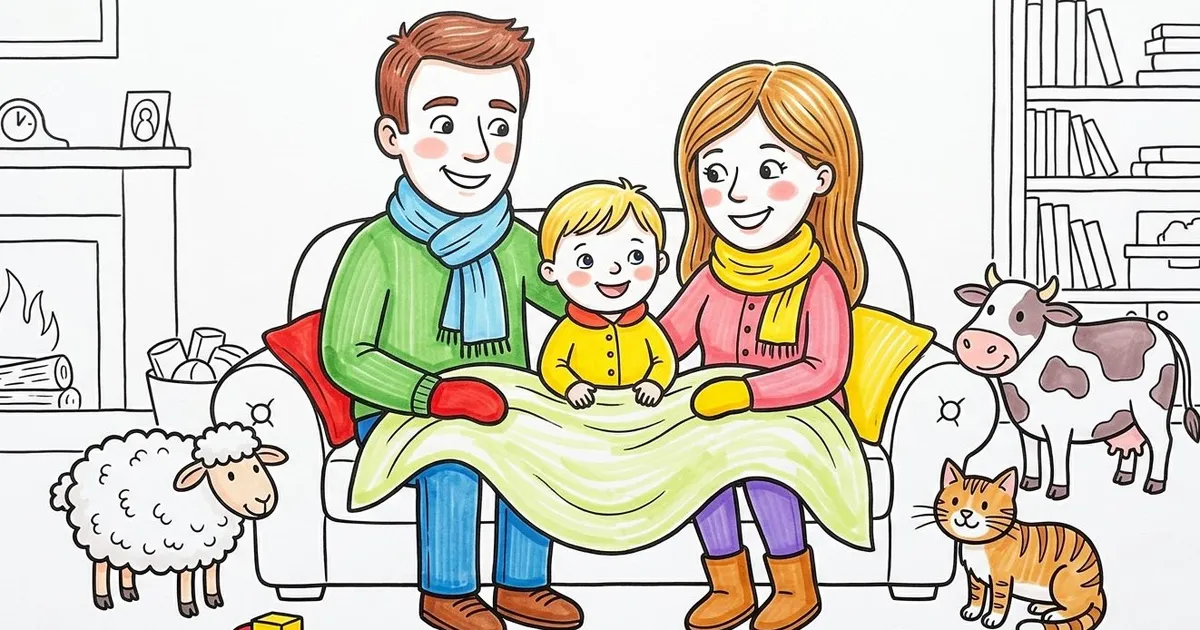
Winter Words in English for Kids covers winter weather, clothing, nature, outdoor play, and warm indoor activities. Children can start with nouns such as “snow,” “coat,” and “boots,” then learn verbs and phrases: “It is freezing,” “Put on your scarf,” or “The ice is melting.” Match the words to the child’s age, climate, and English level. A five-year-old may use pictures and movement; an older child can compare seasons, describe a forecast, or write a winter scene.
📥 Winter Words in English for Kids
A practical word set with simple home activities for children learning winter vocabulary
Leave your email — we'll send the PDF to your inbox.No spam — the PDF plus one short reminder. Unsubscribe anytime.
Why Winter Vocabulary Matters
Winter Words in English for Kids connects language with objects and actions children can see, wear, touch, and perform. Words such as “chilly,” “wind,” and “jacket” become memorable when a child points outside, chooses clothes, or acts out shivering.
Seasonal words support sentences. “Scarf” becomes “My scarf is blue.” “Snowing” leads to “It is snowing, so we need boots.” Moving from naming to explaining helps children use vocabulary in conversation, beyond recognising flashcards.
Practical Winter Vocabulary
This bank of Winter Words in English for Kids groups related language. Start with one or two groups instead of every row. Weather and clothing suit younger learners first.
Teach contrasts with new words: chilly and hot, wet and dry, indoors and outdoors, freeze and melt. Explain regional forms without marking either wrong. Families may hear both “sled” and “sledge”; “jumper” and “sweater” name the same item in different varieties of English.
How to Introduce the Words by Age
When teaching Winter Words in English for Kids, match tasks to the child’s language level and attention span. Younger learners need objects, pictures, and repeated phrases. Older learners can sort, compare, explain, and create.
Model each word before requesting it. Show a picture, say “mittens,” place it in a sentence, then ask: “Are these mittens or boots?” Choice questions give beginners a safe response before open questions such as “What do you wear when it is freezing?”
Practice Through Play and Daily Routines
Practice turns Winter Words in English for Kids into speech. Keep activities brief and repeat them across days. Meeting “scarf” in a picture, game, and clothing routine teaches more than repeatedly copying it in one sitting.
Try a Winter Weather Report
Place weather pictures in a bag. Your child chooses one and reports: “Today it is cold and snowy. Wear boots, a coat, and gloves.” Younger children can complete sentence frames. Older children can add a temperature, warning, or daily plan.
Other games require little preparation. Play “What is missing?” with picture cards, sort clothes into warm-weather and winter-weather groups, or mime “shiver,” “skate,” and “throw.” During a walk, find wind, clouds, bare trees, or wet ground. Where snow is uncommon, use books, family photos, maps, or safe weather videos.
Build Sentences, Not Isolated Labels
After a child recognises a word, add it to a sentence pattern. Start with “It feels chilly,” then extend it: “It feels chilly outside” and “The air is freezing outside, so I need my jacket.” Expansion teaches vocabulary, grammar, and cause and effect together.
Questions give words purpose. Ask “What is the weather like?”, “What should we wear?”, “What happens when ice gets warm?”, or “Which winter activity would you choose?” Accept a short answer, then model a complete version for the child to repeat or adapt.
Review listening and speaking. Say “Point to the scarf,” “Put the boots beside the coat,” or “Circle the thing that melts.” In our lessons, tutors adapt the winter theme from picture talk for beginners to descriptions, comparisons, and stories for confident learners.
Keep the Topic Inclusive Across Climates and Languages
Winter differs between countries. It may bring deep snow, cool rain, strong wind, or a small temperature drop. Teach words that fit your child’s life, then introduce unfamiliar weather as cultural and geographic knowledge. A child can learn “snowman” without having built one.
Multilingual children may know the concept in another language. Allow the connection, then return to an English phrase instead of testing translation alone. A drawing labelled “frost” identifies the word; “There is frost on the window” shows its use.
Do not treat accent differences as vocabulary errors. Meaning matters most. Correct gently when a sound changes the word, then repeat the full phrase: “Yes, winter weather.” Conversation continues while the child hears an accurate model.
- Choose five Winter Words in English for Kids from an age-appropriate picture book.
- Compare snowy and warm-climate winter scenes with children aged four to seven.
- Invite children to name three local weather words before introducing unfamiliar terms.
- Use photos, gestures, and objects to explain each word without stereotypes.
- Practice one inclusive sentence daily, such as “Winter feels different everywhere.”
When a word has several meanings or pronunciations, Cambridge Dictionary is a useful check before turning it into child-friendly examples.
Frequently Asked Questions
How Many Winter Words Should a Child Learn at Once?
Start with five to eight Winter Words in English for Kids, especially for a beginner aged five to nine. Choose connected words such as “chilly,” “snow,” “coat,” “hat,” and “boots.” Review short phrases before adding another group. Older or more confident learners may handle a larger set, but should use each word in speech or writing.
What If We Live in a Place Without Snow?
Begin with local winter experiences: rain, wind, cooler evenings, jackets, warm food, or shorter days. Introduce snow and ice through pictures, maps, weather reports, or stories. State the contrast: “Our winter is rainy. In this picture, winter is snowy.” This builds vocabulary without presenting one winter as universal.
Should I Correct Every Pronunciation Mistake?
Correct mistakes that hinder understanding, but avoid stopping every sentence. Respond to the meaning, then model: “Yes, those are gloves—warm gloves.” Request one repeat if the child is comfortable. Frequent listening, chanting, and sentence practice work better than long explanations of mouth position.
How Can a Multilingual Child Keep the Words Separate?
Use English contexts without banning other languages. Keep an English picture page, practise one sentence pattern, and revisit it during a routine. The child may compare languages, then express the complete idea in English: “I wear mittens when it is cold.” Early language mixing can help organise new knowledge.
- Start with five to eight related words and model each one in a short sentence.
- Practice with pictures, movement, sorting games, and everyday clothing routines.
- Review the same words over several days, then help the child combine them into questions and explanations.
A short one-to-one lesson can show what level and pace fit your child — book a trial English lesson.
Stay updated on our latest tips and resources by following us on Instagram LearnLink.