Tree Vocabulary in English for Kids

Tree vocabulary for kids starts with 20 to 30 practical words: tree parts, tree names, actions, and nature phrases children can use in sentences. They need more than a word list. Children learn faster when each word connects to something they can see, touch, draw, or describe. Trees fit daily life in gardens, schools, parks, streets, and storybooks. Start small, repeat often, and help your child speak in short sentences.
📥 Tree Vocabulary in English for Kids
Tree words, phrases, activities, and a weekly practice tracker
Leave your email — we'll send the PDF to your inbox.No spam — the PDF plus one short reminder. Unsubscribe anytime.
Core Tree Words to Teach First
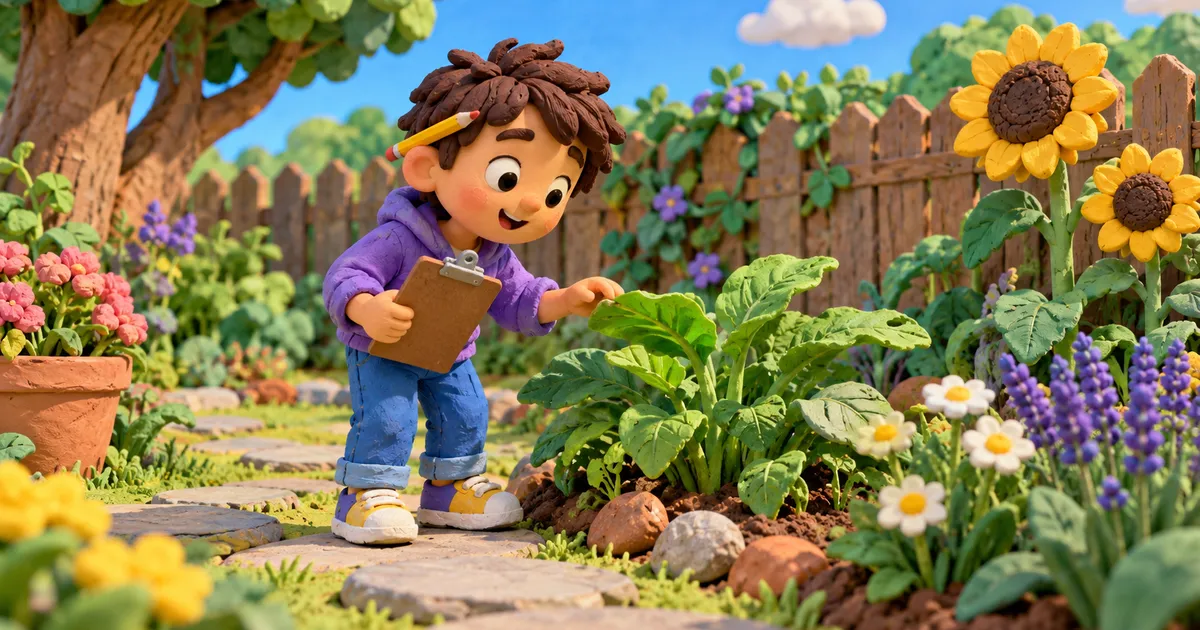
Begin with tree parts. These words are concrete, so a child can point to them: tree, trunk, branch, leaf, root, bark, flower, fruit, seed, cone, twig, and crown. For younger children, choose five words per lesson. For older children, add spelling, plurals, and short definitions.
Then add tree names your child may meet in books or outside: oak, pine, palm, maple, apple tree, orange tree, cherry tree, birch, willow, and fir. Teach a small set first. Ten known tree words beat thirty memorised words without meaning.
Use trees in english for kids during practice: “Today we are learning trees in english for kids, so we will name the parts first, then use them in sentences.” The search topic becomes a learning task, not a label.
Useful Phrases and Short Sentences
Vocabulary becomes language when children combine words. After leaf and branch, teach phrases: green foliage, a tall tree, a thin branch, rough bark, deep roots, and a small seed. These phrases are easy to draw and act out.
For full sentences, keep one pattern: “The tree is tall.” “The leaves are green.” “The roots are under the ground.” “A bird is on the branch.” “Apples grow on an apple tree.” A 5-year-old can say one supported sentence. A 9-year-old can compare two trees: “The pine tree is taller than the apple tree.”
Across LearnLink lessons, our tutors move from naming to describing, then to short speaking turns. That order matters. A child who can say “leaf” may still need practice before saying, “The foliage changes in autumn.”
Tree Vocabulary by Level
A level plan helps parents avoid overload. Children ages 4 to 6 need high-frequency nouns and colors. Children ages 7 to 10 can handle descriptions, seasons, and basic science words. Older children can discuss growth, habitats, and environmental ideas in age-appropriate English.
The table below shows one practical way to build trees in english for kids from first words to stronger speaking. Adjust the pace to your child’s confidence, not only to age.
Examples in Context
Children need tree words inside normal speech. Try short prompts: “Can you find a tree?” “Touch the bark gently.” “How many branches can you see?” “Is the trunk thick or thin?” “What color is the foliage today?” Use the questions outside, with photos, or with picture books.
For story practice, use short scenes. “A squirrel is in the tree.” “The child sits under the tree.” “The wind moves the branches.” “The seed grows into a small tree.” Children who speak two or three languages may grasp the idea quickly, but still need English word order and pronunciation practice.
For older children, add why and because: “Why do people sit under trees?” “Because trees give shade.” “Why do roots grow under the ground?” “Because they take in water.” This turns trees in english for kids into language for thinking, not only naming.
Activities by Age
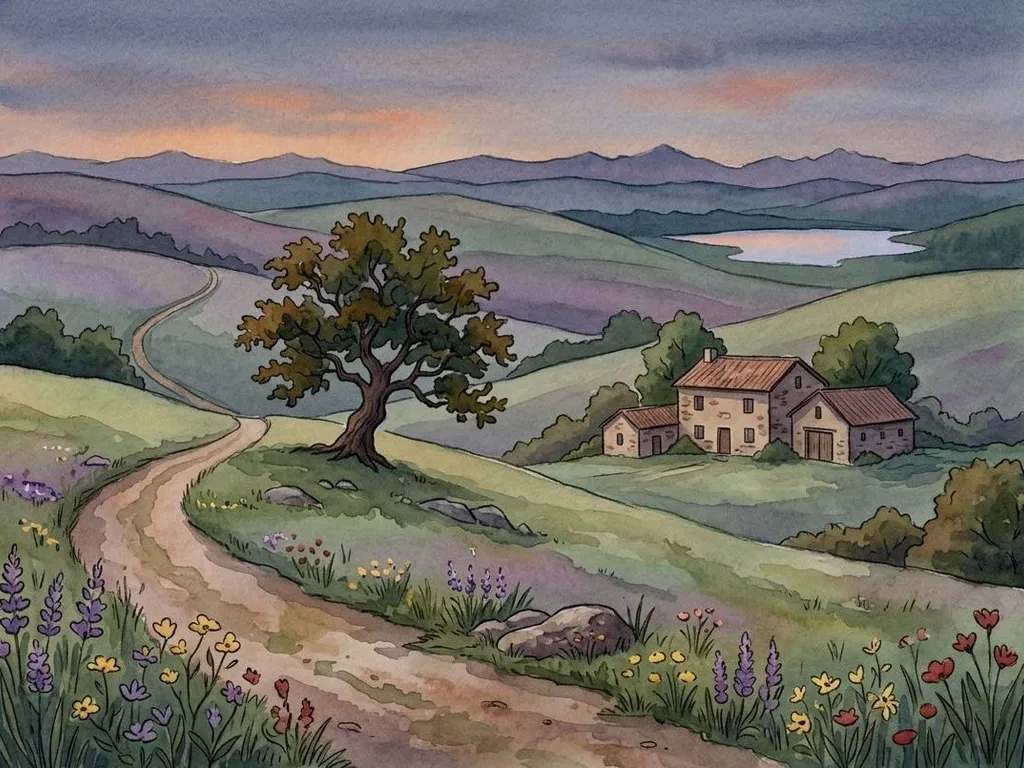
For ages 4 to 6, use movement and touch. Say “leaf,” and let your child point to one. Say “trunk,” and let your child touch the trunk if it is safe and clean. Ask them to make a tree shape: feet as roots, body as trunk, arms as branches, fingers as leafy parts.
For ages 7 to 10, use drawing and sorting. Ask your child to draw one tree and label five parts. Then ask for two spoken sentences: “This is the trunk. The leaves are green.” Sort pictures into fruit trees, forest trees, and palm trees. Sorting helps children notice features and choose words carefully.
For ages 11 to 15, connect tree vocabulary to reading, science, and opinion. Ask them to describe a street tree or compare two tree types. They can write a short paragraph: “A palm tree grows in warm places. It has a long trunk and fronds at the top.” Focus feedback on meaning before perfect grammar.
Five-minute Tree Walk
Choose one tree near your home, school, or park. Ask your child to name three parts, say two colors, and make one full sentence. Older children can add one comparison: “This tree is taller than that tree.”
Practice Ideas for Home Lessons
Use a small routine. First, show or point. Second, say the word. Third, ask your child to repeat. Fourth, use the word in a sentence. For example: “Leaf. A green tree part. It is green.” This pattern builds memory and speaking confidence.
Flashcards can help, but they should not become the whole lesson. Put picture cards face up and ask, “Where is the branch?” Then change the task: “Give me the root.” “Put the green part next to the trunk.” “Which card shows fruit?” Children learn more when they listen, move, and choose.
For writing practice, make a vocabulary set with tree, leaf, branch, trunk, root, seed, grow, tall, green, brown. Ask your child to write three sentences. Do not correct every small error at once. Choose one focus: plural s, capital letters, or word order.
Common Mistakes to Watch For
A frequent mistake is mixing leaf and leaves. Teach them together: one leaf, two leaves. Use real objects or pictures so the plural is visible. If your child says “three leafs,” model the correct form: “Yes, three leaves.”
Children may confuse branch and stick. A branch is part of a tree or grew from a tree. A stick is a small broken piece of wood. The difference matters in stories: “The bird is on a branch” sounds natural; “The bird is on a stick” gives a different picture.
Pronunciation can be tricky. Tree begins with a strong “tr” sound. Three begins with “th.” Children may mix them, especially if their home language does not use one of those sounds. Practise with pairs: tree, three; trunk, branch; leaf, leaves. Keep it short and playful.
- Try naming five backyard trees in English for kids.
- Read one picture book about foliage, bark, roots, and seasons together.
- Practice three tree words daily using photos, drawings, and real branches.
- Use a nature walk to compare tall, short, leafy, and bare trees.
- Review mistakes gently by repeating the correct word in a full sentence.
When a word has several meanings or pronunciations, Cambridge Dictionary is a useful check before turning it into child-friendly examples.
Frequently Asked Questions
How Many Tree Words Should My Child Learn First?
Start with 8 to 12 words if your child is new to English: tree, leaf, leaves, trunk, branch, root, bark, seed, green, brown, tall, and small. This is enough for short sentences without overload. Once your child can use them while pointing, drawing, or answering questions, add tree names such as oak, pine, palm, and apple tree.
How Can Our Tutors Teach Trees in English for Kids Without a Garden?
You can use photos, picture books, window views, street trees, park videos, or drawings. A garden helps, but it is not required. Ask your child to point to the leaf, trunk, branch, and root in a picture. Then move to sentences: “The tree is tall.” “The foliage is green.” “The roots are under the ground.” This keeps trees in english for kids practical at home.
What Is the Best Age to Teach Tree Vocabulary?
Children can learn basic tree words from age 4 when the lesson uses pictures, movement, and real objects. Older children can learn the same topic in deeper ways, with descriptions, comparisons, seasons, and short explanations about how trees grow. The right age is when your child can connect the word to something they can see or imagine.
Should I Correct Grammar During Vocabulary Practice?
Correct gently and choose one point at a time. If your child says “two leafs,” answer with the right form inside a natural sentence: “Yes, two leaves.” If you stop after every error, the child may speak less. During vocabulary practice, meaning comes first. Save longer grammar correction for a focused writing or speaking task.
Want to see how these ideas work in a real lesson — try a free LearnLink lesson.
Stay updated on our latest tips and resources by following us on Instagram LearnLink.