Adjective Definition in Urdu for Kids
Adjective Definition in Urdu for Kids: A Practical Guide for Children means an adjective describes a noun; in Urdu, it is called صفت. It shows what a person, place, animal, or thing is like. Children do not need a grammar lecture first. They need pairs: red apple, tall boy, cold water, happy child. For bilingual children, English and Urdu together show how describing words add color, size, feeling, number, and quality to daily speech.
📥 Adjective Practice in English and Urdu
Printable word groups, sentence work, and a weekly practice tracker for children
Leave your email — we'll send the PDF to your inbox.No spam — the PDF plus one short reminder. Unsubscribe anytime.
What Children Need to Understand First
An adjective answers: what kind? If the naming word is “bag,” the adjective may be “blue,” “heavy,” “new,” or “small.” In Urdu, the same idea is صفت: نیلا بیگ, بھاری بیگ, نیا بیگ, چھوٹا بیگ. Bag names the thing; the adjective adds detail.
Start with real objects before written rules. Hold up two pencils and ask, “Which pencil?” A child may say “the long pencil” or “the red pencil.” That is grammar in speech. Adjective Definition in Urdu for Kids: A Practical Guide for Children works best when children touch, see, draw, and say the describing word aloud.
How Adjectives Work in English and Urdu
In English, adjectives often come before the noun: a green leaf, a kind teacher, a noisy bus. The form usually stays the same. We say one green leaf and three green leaves; “green” does not change. This makes English adjectives steady once children know their place.
In Urdu, adjectives often come before the noun too, but some change form to match the word described. For example, اچھا لڑکا means “good boy,” while اچھی لڑکی means “good girl.” So Adjective Definition in Urdu for Kids: A Practical Guide for Children should go beyond translation. Children must notice meaning and word shape.
Rules and Examples Children Can Use
First rule: an adjective describes the word being named. Ask your child to find the thing, person, animal, or place first. In “the cold milk,” milk is the item and cold gives detail. In “a brave girl,” girl is the person and brave describes her. This order reduces guessing.
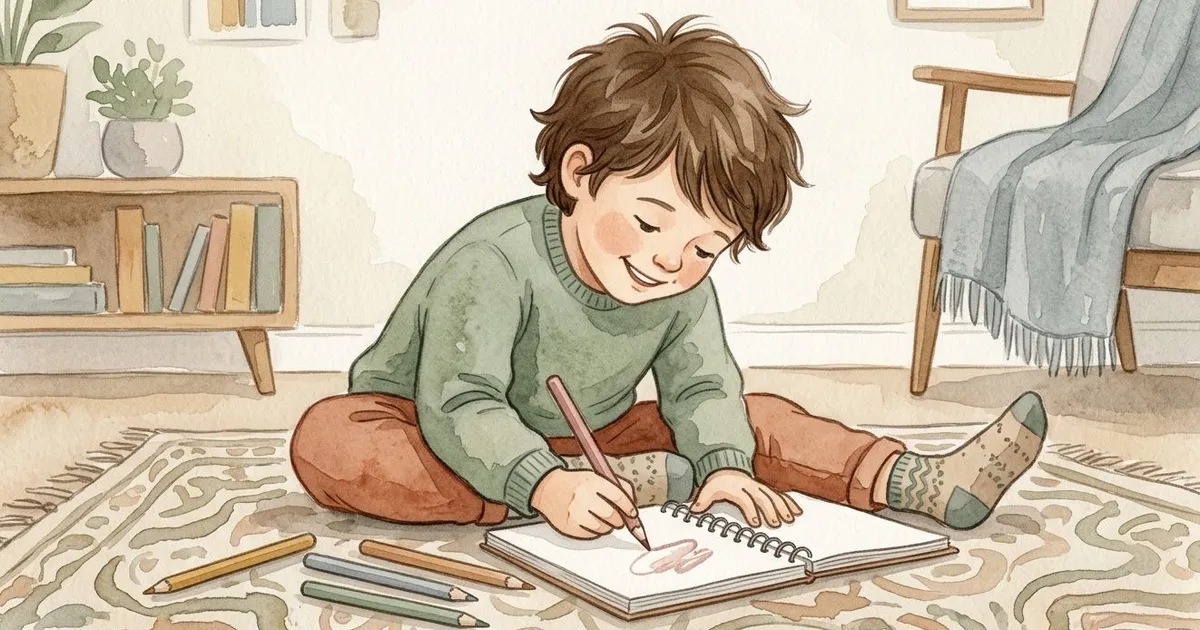
Second rule: adjectives sharpen sentences; they should not add length without meaning. “I saw a bird” is complete. “I saw a yellow bird” gives a picture. “I saw a tiny yellow bird” adds two details. Adjective Definition in Urdu for Kids: A Practical Guide for Children teaches children to choose words that help the listener see, feel, or understand the idea.
Early adjective groups include colors, sizes, feelings, shapes, numbers, and opinions. Try: big house, soft toy, round plate, three apples, sad face, sweet mango. Older children can add richer words such as careful, honest, crowded, polite, ancient, or dangerous.
big house — بڑا گھر
soft toy — نرم کھلونا
round plate — گول پلیٹ
three apples — تین سیب
sad face — اداس چہرہ
sweet mango — میٹھا آم
careful student — محتاط طالب علم
polite friend — مہذب دوست
Common Mistakes to Watch For
One mistake is mixing naming words with adjectives. A child may point to “apple” and call it an adjective because it sits in “red apple.” Check by asking, “Is it the thing, or does it describe the thing?” Apple is the thing. Red describes it.
Another mistake is stacking adjectives. “The big beautiful round shiny red ball” may be grammatical, but it overloads a beginner. Children should pick one or two strong adjectives first. This builds sharper speech and writing.
Bilingual children may carry Urdu word patterns into English. They may say “ball red” because some languages allow adjective placement after the naming word. Model the English order: “Yes, the red ball.” Adjective Definition in Urdu for Kids: A Practical Guide for Children works best when correction is brief, calm, and tied to a real example.
Practice Activities for Home or Class
Short practice beats long worksheets for most children ages 4-15. Use toys, snacks, clothes, family photos, or picture books. Ask your child to name the object or person first, then add one describing word. The grammar stays tied to meaning.
For older school-age children, move from phrases to sentences. They can compare plain and detailed sentences, replace weak adjectives with stronger ones, and notice tone. “The dog ran” becomes “The tired dog ran slowly home.” The adjective gives information before the action continues.
Practice 1: Find the Adjective
Underline the adjective in each phrase: a blue kite, a noisy street, a kind friend, cold juice, a small door. Then say which word each adjective describes.
Practice 2: Add One Describing Word
Complete each phrase with a useful adjective: a ___ apple, a ___ book, a ___ cat, a ___ morning, a ___ bag. Try one color, one size word, one feeling word, and one opinion word.
Practice 3: English and Urdu Match
Match each English phrase to the Urdu idea: good boy / اچھا لڑکا, small girl / چھوٹی لڑکی, clean room / صاف کمرہ, sweet mango / میٹھا آم. Say which word is the adjective in both languages.
How Parents Can Teach the Idea Step by Step
Begin with three questions: What is it? What is it like? Which word tells us that? If the child says “flower,” ask, “What kind of flower?” Answers such as “pink,” “pretty,” “small,” or “fresh” become adjective phrases.
Next, connect speech to writing. Write “cat” on paper, then invite your child to add adjectives: black cat, sleepy cat, hungry cat. For Urdu-speaking families, add بلی and phrases such as کالی بلی or بھوکی بلی. This makes Adjective Definition in Urdu for Kids: A Practical Guide for Children practical, not abstract.
Across LearnLink lessons, tutors use short prompts, pictures, and guided correction so children hear grammar in natural speech. Younger learners may need naming games; older learners may need sentence editing. The rule stays the same, but the task should match age and confidence.
When to Move Beyond Basic Adjectives
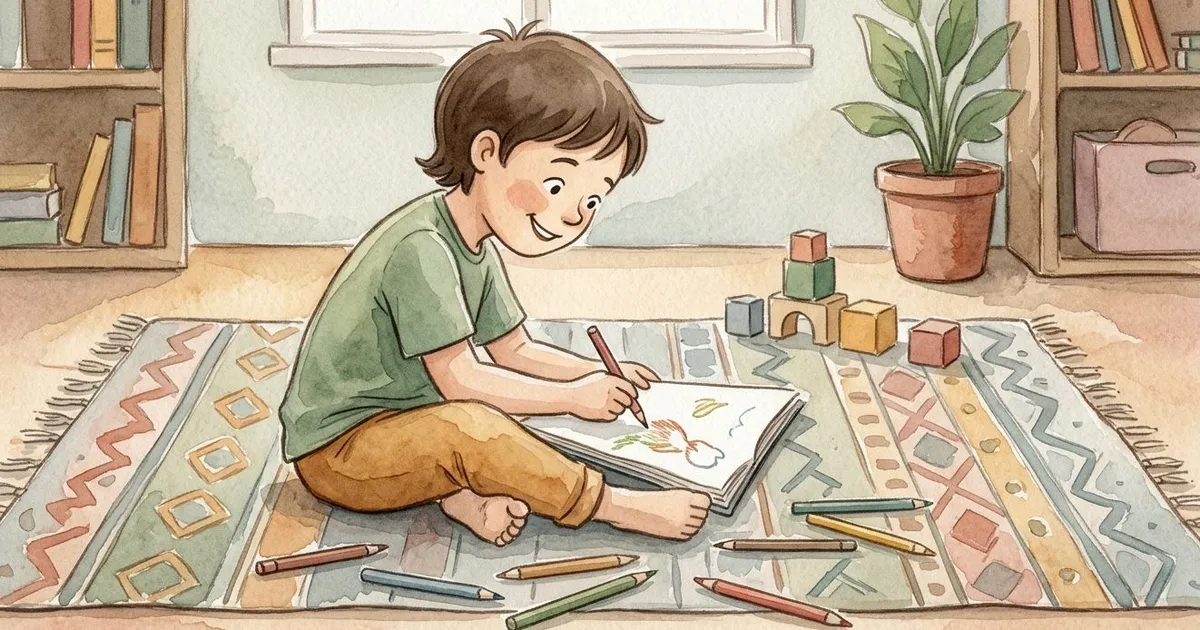
Once a child can spot adjectives, introduce comparison: big, bigger, biggest; tall, taller, tallest. Keep the meaning visible. Use three cups, three pencils, or three drawings. Children understand comparison faster when they see the difference.
Older children can learn adjective order in English: opinion, size, age, color, origin, material, noun. We might say “a lovely small old brown wooden box,” though real speech usually uses fewer words. Do not ask beginners to memorize the full order too early. Start with phrases that sound natural.
At this stage, Adjective Definition in Urdu for Kids: A Practical Guide for Children can include precise word choice. Instead of “good,” children can try kind, careful, fair, brave, or honest. Instead of “bad,” they can try rude, unsafe, unfair, messy, or dull.
- Read one page from The Very Hungry Caterpillar and underline three adjectives.
- Practice comparing objects with two-word phrases, such as brighter red or smoother stone.
- Use a grade-one storybook and ask your child to find five describing words.
- Introduce sensory charts at age six, listing sight, sound, touch, smell, taste.
- Create three stronger sentences by replacing each basic adjective with one precise word.
For the rule wording, Wikipedia — English Grammar is a useful reference while the practice examples here stay adapted for children.
Frequently Asked Questions
What Is an Adjective in Urdu for Children?
An adjective in Urdu is called صفت. It describes a person, place, animal, or thing, such as بڑا گھر for “big house” or میٹھا آم for “sweet mango.” The name tells who or what. The adjective tells more about it. Adjective Definition in Urdu for Kids: A Practical Guide for Children means: find the named thing, then find the word that describes it.
At What Age Should a Child Learn Adjectives?
Children can start using adjectives in speech around preschool age, especially color, size, and feeling words. Formal grammar can wait until the child reads and writes short phrases. Within ages 4-15, use objects and pictures for younger learners; add sentence work, comparison, and editing as children read and write more.
Should Bilingual Children Learn the Urdu and English Terms Together?
Yes, if both languages are part of the child’s life. Saying “adjective” and صفت together can help a child connect school grammar with home language. Keep the lesson tight: one term, one example, one short task. Avoid turning every sentence into translation unless the child enjoys that style.
Why Does My Child Know Adjectives Orally but Miss Them in Writing?
Speaking and writing are different skills. A child may say “the small dog” correctly but fail to label “small” as an adjective on paper. Ask them to circle the word being described first, then ask, “Which word gives more detail?” This routine often helps more than repeating the definition.
How Can I Help My Child Stop Using Only Easy Adjectives Like Nice and Good?
Build word sets. For “good,” offer kind, brave, fair, neat, careful, or helpful. For “nice,” offer warm, calm, friendly, soft, or bright, depending on what is described. Ask your child to choose the word that gives the clearest picture. One precise adjective beats three vague ones.
- Start with one real object, name it, then ask what kind it is.
- Practice one English-Urdu pair at a time, such as “small bag” and چھوٹا بیگ.
- Try a final sentence check: circle the named thing, then underline the describing word.
Want to see how these ideas work in a real lesson — try a free LearnLink lesson.
Stay updated on our latest tips and resources by following us on Instagram LearnLink.