African Animals in English for Kids
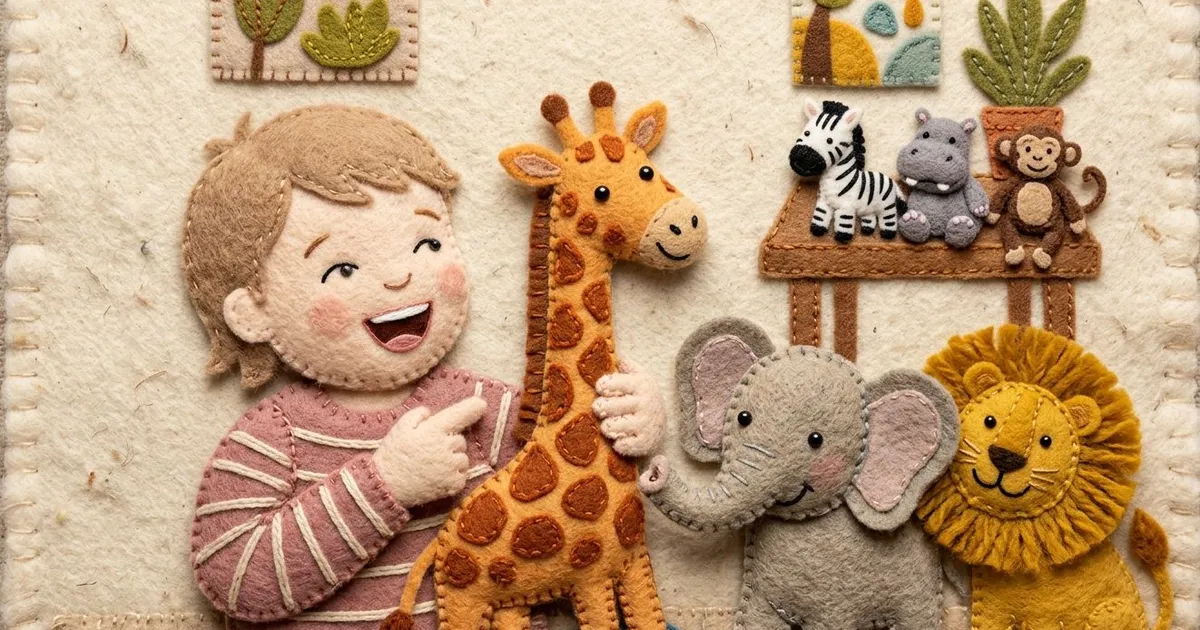
African Animals in English for Kids: Words and Activities starts with 20 animal names, then turns them into sentences, questions, and games. Children need a focused set they can hear, say, sort, and reuse. Begin with a lion, elephant, giraffe, and zebra, then add unfamiliar animals as recall improves. Pair each noun with an action or feature: “The cheetah runs,” “The giraffe is tall,” or “The hippo is in the water.” Multilingual children can connect each home-language name with its English match.
📥 African Animals: Read, Match, and Speak
A progressive vocabulary practice sheet for young learners
Leave your email — we'll send the PDF to your inbox.No spam — the PDF plus one short reminder. Unsubscribe anytime.
Twenty Core Animal Words
Teach these 20 nouns in small groups instead of reading the full table aloud. Use pictures with distinct animals and quiet backgrounds. Singular and plural forms show when English needs an article, number, or plural ending.
The African Animals in English for Kids: Words and Activities word set covers mammals, birds, reptiles, and habitats from grassland and forest to rivers and wetlands. Some animals live outside Africa, so never present them as exclusive to one continent.
Build Useful Phrases Around the Nouns
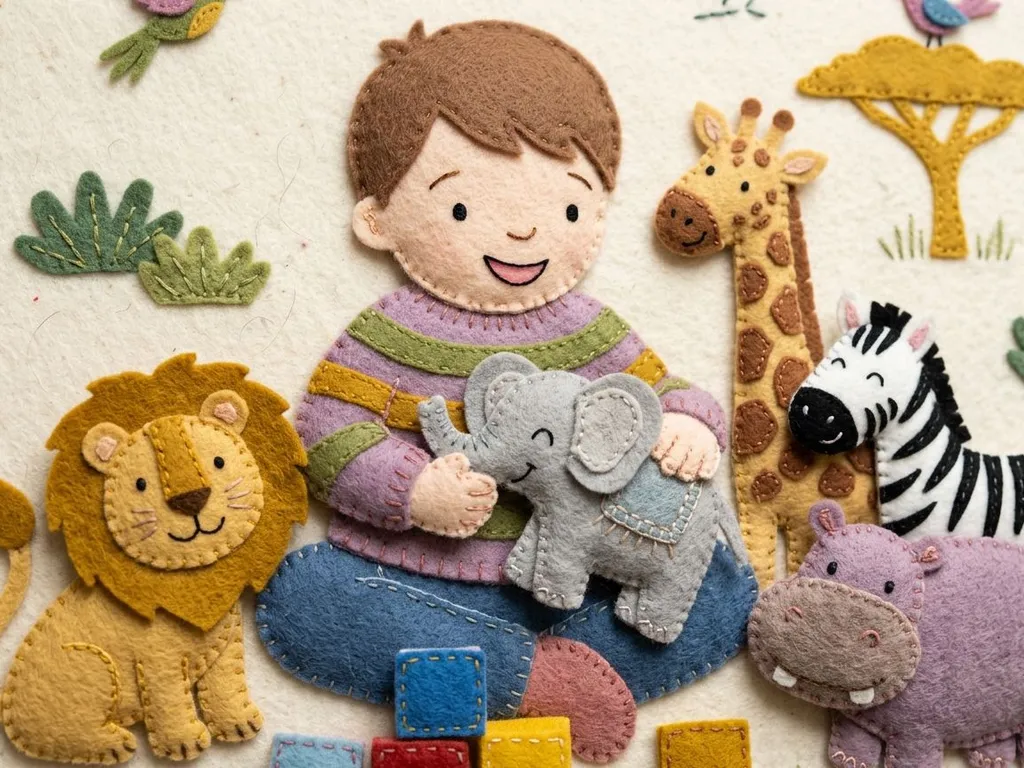
A lesson on African Animals in English for Kids: Words and Activities should move quickly from naming to speaking. Give beginners reusable frames: “This is a zebra,” “It has stripes,” “It can run,” and “It is near the water.” One frame applied to different animals is easier to recall than separate sentences for every picture.
Questions give children a reason to speak. Ask, “What is it?”, “Which animal has a trunk?”, “Can an ostrich fly?”, or “How many lions can you see?” Accept a one-word answer first, then model the full form: “Elephant” becomes “An elephant has a trunk.”
Older children can compare animals: “A giraffe is taller than a zebra,” “A cheetah runs faster than a lion,” or “A crocodile and a hippo both spend time near water.” They can sort words into birds, big cats, primates, and hoofed animals.
Introduce New Words in a Clear Sequence
Begin with a small picture set. Say one word, then ask the child to find the correct image among two or three choices. This checks comprehension without demanding early speech. Next, show one picture and ask for its name.
At the next session, review familiar animals before adding new ones. Mix old and new cards to require recall instead of repetition. A multilingual child may answer in a home language first. Confirm the meaning, give the English form, and invite a second attempt without marking the first as failure.
Long words need rhythm. Clap the parts in “hip-po-pot-a-mus” and “rhi-noc-er-os,” then join them. Children may hear “zebra” as both “ZEB-ruh” and “ZEE-bruh”; both pronunciations are established. Aim for accurate speech without erasing a child’s natural accent.
Choose Activities That Fit Your Child’s Age
For school-age kids, use movement, toys, and large pictures. Say “Walk like an elephant,” “Stand tall like a giraffe,” or “Show me the lion.” Keep turns quick, stop while interest remains, and revisit the words another day.
For school-age kids, try a mystery-animal game. One person chooses a card; the other asks yes-or-no questions: “Is it a bird?”, “Does it have spots?”, or “Can it swim?” A sorting grid works too, but animals may belong in more than one habitat group.
For school-age kids, make a short field guide. Each entry can cover the animal’s name, habitat, diet, appearance, and one checked fact. Present two entries without reading every line to combine vocabulary, research, notes, and connected speech.
Make Practice Stick at Home and Online
Use African Animals in English for Kids: Words and Activities as a short theme across several days. First, match pictures and words. Next, recall names without labels. Later, request clues or full sentences. Varied tasks keep the vocabulary active.
During 1-on-1 online lessons, our tutors can match prompts to a child’s speaking level. At home, move from “Point to the zebra” to “Describe the zebra,” then ask, “How is a zebra different from a giraffe?”
Quick Practice: Guess the Animal
Read each clue and request a full-sentence answer. “I have a trunk and large ears.” “I have a long neck.” “I have black-and-white stripes.” “I am a tall bird that cannot fly.” “I have tusks and a wide snout.” Answers: elephant, giraffe, zebra, ostrich, and warthog.
Avoid Common Teaching Mistakes
Do not introduce the full word set in one sitting. Similar picture cards can turn practice into guessing. Use a manageable group, include familiar words, and add animals after the child retrieves most names without hearing the first sound.
Avoid isolated translation drills. Word equivalence does not show whether a child can use “a,” form plurals, or answer questions. Contrast “an elephant” with “two elephants” and “one wildebeest” with “three wildebeest.” Short sentences expose comprehension.
Do not place every African animal in one imagined landscape. Forests, grasslands, deserts, rivers, and wetlands support different wildlife. Do not interrupt after every pronunciation slip. Repeat the word naturally in a reply, then select one important point for focused practice.
- Choose five African animal words for children ages four to six today.
- Practice each word three times using pictures from one animal book.
- Use toy animals to model short sentences, avoiding translations and lengthy explanations.
- Play a five-minute guessing game, praising effort instead of correcting every mistake.
- Review tomorrow with two new words, keeping the lesson playful and brief.
When a word has several meanings or pronunciations, Cambridge Dictionary is a useful check before turning it into child-friendly examples.
Frequently Asked Questions
How Many African Animal Words Should My Child Learn at Once?
For a 4- to 6-year-old, begin with four to six names across several short sessions. Children may handle a larger set with distinct pictures and sentence frames. Older learners can study more, but recall outweighs the starting number. Add words after your child identifies and names most current animals without a prompt.
Which Animal Names Are Hardest to Pronounce?
Rhinoceros, hippopotamus, chimpanzee, and giraffe often need extra practice because they are long or contain unfamiliar sounds. Say each word naturally, split it into spoken parts, then rebuild it. Two or three careful attempts within a phrase, such as “a large rhinoceros,” add rhythm and meaning.
Should I Translate the Words into My Child’s Home Language?
Yes, when a brief translation establishes meaning. Translation helps a child who speaks more than one language. Follow it with a picture, gesture, clue, or English sentence so the word gains context. The goal is to support English recall, not ban the home language.
How Can I Tell Whether My Child Knows the Vocabulary?
Treat African Animals in English for Kids: Words and Activities as a menu of checks. Ask your child to point to an animal, name it from memory, use it in a sentence, and identify it from a clue later. Repeated correct answers show recognition; independent answers after a gap show stronger recall and readiness for new words.
Start your child's English journey today — book a trial lesson with LearnLink.
Stay updated on our latest tips and resources by following us on Instagram LearnLink.