Alphabetical Order for Kids Made Easy
Alphabetical order arranges words by comparing letters from left to right, from A to Z. Alphabetical Order for Kids begins with finding which first letter appears earliest. Children then compare later letters when words share a beginning. The method applies to names, book titles, vocabulary lists, dictionaries, indexes, and search results. Learners need the alphabet sequence, focused examples, and gradually harder practice. For parents, Alphabetical Order for Kids Made Easy works best when practice is short, visual, and repeated every week.
📥 Alphabetical Order for Kids
A printable practice page for sorting words, noticing first letters, and using second letters when words begin the same way.
Leave your email — we'll send the PDF to your inbox.No spam — the PDF plus one short reminder. Unsubscribe anytime.
Why Alphabetical Order Matters
Alphabetising helps children find names on class lists, locate dictionary words, use indexes, organise files, and scan menus or catalogues. The skill combines letter recognition, attention, and working memory.
Alphabetical Order for Kids strengthens spelling awareness. Comparing boat, book, and bus requires noticing each word’s exact letter sequence. Multilingual children practise separating English letter names from familiar sounds or writing systems.
The Core Rule
Alphabetical Order for Kids follows one rule: compare each word’s first letter. The letter appearing earlier in the English alphabet comes first. For example, apple comes before ball, followed by cat.
If words start with the same letter, compare their second letters. In cap, car, and cat, the first two letters match. The third letters—p, r, and t—produce cap, car, cat.
When one word forms the complete beginning of another, put the shorter word first: be before bee, and plane before planet. School activities usually ignore capitals, comparing Adam and apple as lowercase words.
A Step-by-step Method
Ask your child to say or point to the English alphabet. An alphabet strip reduces memory strain. Next, circle every word’s first letter. For fish, dog, apple, the circles reveal the order: apple, dog, fish.
When first letters match, underline the next difference. Frog and frame both begin with fr. Their third letters are o and a, so frame comes first. Finding the first difference prevents guessing.
Teach Alphabetical Order for Kids with small sets. Begin with three or four words containing different first letters. Add matching beginnings, longer words, names, and titles. LearnLink tutors can adjust each set to the child’s reading level instead of age alone.
Examples by Age and Skill
The rule stays constant while difficulty grows. A 5-year-old may arrange picture cards by first letter. An older child can sort words differing near the end or apply stated rules to titles and names.
These examples move Alphabetical Order for Kids from first-letter differences to close comparisons. Children can practise with surnames, science terms, or book titles. Before sorting titles, specify whether a, an, and the count because libraries and digital systems may use different rules.
Practice at Home or in Class
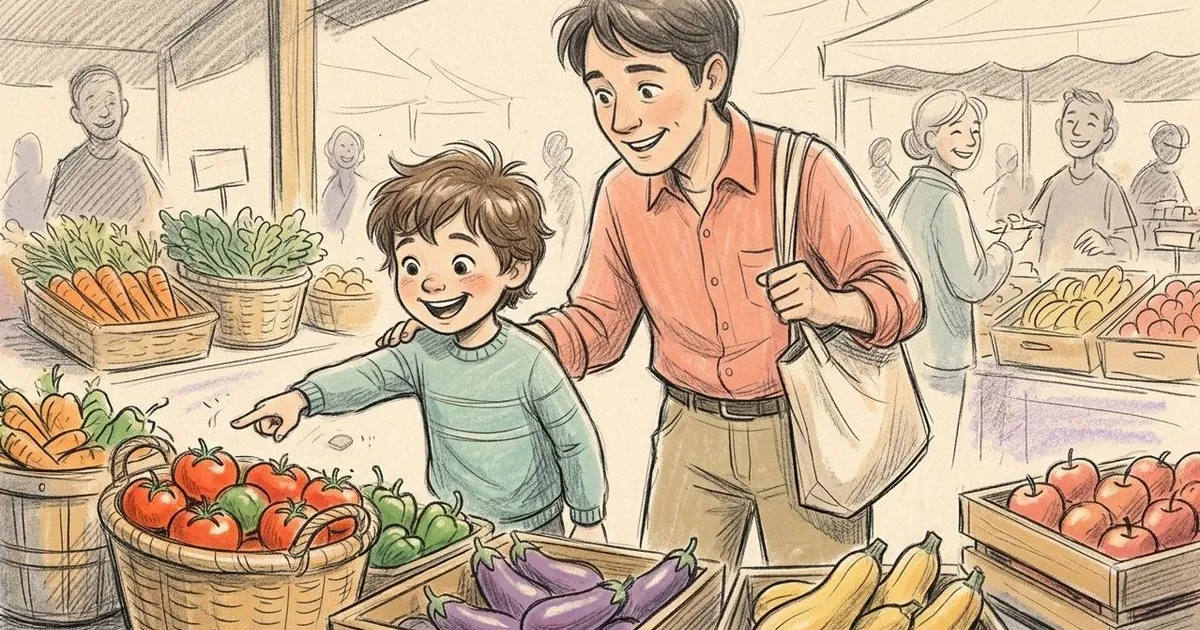
Short, frequent tasks beat crowded worksheets. For Alphabetical Order for Kids, choose familiar words so sorting remains the main challenge. Ask which letter determined each position. The explanation shows whether the child applied the rule or guessed.
Practice 1: Sort by the First Letter
Put these words in alphabetical order: sun, apple, moon, ball.
Answer: apple, ball, moon, sun.
Practice 2: Look Past the First Letter
Put these words in alphabetical order: star, ship, sun, sock.
Answer: ship, sock, star, sun.
Practice 3: Find the First Different Letter
Put these words in alphabetical order: plate, planet, plant, plane.
Answer: plane, planet, plant, plate.
Write each word on a separate card so the child can move cards while comparing letters. Older learners can use a timer, but accuracy and explanation come before speed.
Common Mistakes and How to Correct Them
Children may sort by sound. City begins with an /s/ sound but belongs under C because alphabetical order uses spelling. They may check only the first letter. When words begin with S, comparisons must continue to the first difference.
Learners may put a longer word before its shorter base, such as beach before be. Cover the extra letters to show where the shorter word ends and why it comes first. For reversed lists, use an alphabet strip with an arrow from A to Z.
Alphabetical Order for Kids requires explicit rules in multilingual homes. Preserve accents in names, but explain that languages and computer systems use different sorting conventions. Avoid mixing writing systems or transliterated names unless instructions define the order. The goal is consistent English alphabet practice without replacing another language’s conventions.
- Try sorting five picture cards alphabetically with children ages five to seven.
- Practice comparing the first two letters in six familiar animal names.
- Use one short book title list to model Alphabetical Order for Kids.
- Correct skipped letters by singing the alphabet slowly and pointing to each letter.
- Check progress by repeating the same eight-word sorting challenge tomorrow.
For reading and phonics support beyond the article examples, Scholastic Parents is a helpful independent resource for parents.
Frequently Asked Questions
At What Age Can a Child Start Alphabetising?
Children can begin after recognising letters and understanding the alphabet’s fixed sequence. Many 4- to 6-year-olds can sort two or three picture cards by first letter. Full Alphabetical Order for Kids develops with reading and spelling. Children need not recite the entire alphabet perfectly; an alphabet strip provides support.
Should a Child Learn Letter Sounds or Letter Names First?
Both matter, but alphabetising depends on letter names and written order, not sound. A child may hear the same opening sound in cat and kite but must recognise C and K as different letters. Label phonics and alphabet-order practice separately to prevent confusion.
How Can I Help When Several Words Begin Alike?
Place the words underneath one another and mark matching letters. Circle the first position where they differ. In coat, cold, comb, C and O match, while A, L, and M determine the order. Let the child compare those letters on an alphabet strip before rewriting the list.
Do Spaces and Punctuation Affect Alphabetical Order?
Most children’s exercises ignore capitalisation and punctuation unless instructions specify another rule. Spaces may affect digital systems, while book lists may ignore an opening A or The. State the rule first. Consistent application matters more than one universal convention.
What Should I Do If My Child Keeps Guessing?
Reduce the set to three words and ask: “Which first letter comes earliest?” If letters match, ask: “Where is the first difference?” Let the child move word cards instead of rewriting them. After the method becomes secure, add one word and repeat. Visible comparisons make errors easier to correct.
If your child needs steady speaking practice, start small — choose a trial lesson.
Stay updated on our latest tips and resources by following us on Instagram LearnLink.