Animal Rhyming Words and Activities for Kids
Animal Rhyming Words and Activities for Kids pairs animal names with words sharing the same ending sound, such as cat–hat, fox–box, and goat–boat. These pairs train children to hear sound patterns, pronounce new words, and build vocabulary through play. Begin with three to five familiar pairs. Say each pair aloud before showing its spelling because rhyme depends on sound. The activities suit family practice, small groups, and online lessons for children from age 4 through 15.
Common Animal Rhyme Pairs
Start with animal names that children can picture and pronounce. Try cat–hat, dog–frog, fox–box, mouse–house, goat–boat, bear–chair, bee–tree, hen–pen, snail–mail, whale–tail, snake–cake, duck–truck, pig–wig, and sheep–jeep. The second word need not name an animal; it only needs the same final pronunciation pattern.
Animal Rhyming Words and Activities for Kids work best when children understand both words. Show a picture, explain unfamiliar vocabulary, and say the pair slowly. A child who knows “goat” but not “boat” needs both meanings before using the pair confidently.
Read each sentence, pausing before the final word. Cover that word and ask your child to supply it. Accept another word if it rhymes and fits the sentence.
How Children Hear Rhymes
Rhyming words share their last strong vowel and following sounds. “Cat” and “hat” rhyme because both end in -at. “Bear” and “chair” rhyme despite different first letters. Children should listen for matching endings, not matching letters.
Contrast a rhyme with a near match: say “fox–box” beside “fox–fish,” then ask which pair matches at the end. Keep a natural voice because stretching the final syllable can obscure the words. Clap once for each whole word instead.
Animal Rhyming Words and Activities for Kids can expose pronunciation gaps in multilingual learners. If a child misses a pair, pronounce both words and let the child watch your mouth. A home-language accent is not a mistake. The goal is to recognise the English rhyme and produce understandable speech.
Rhymes in Sentences and Short Verses
A rhyme is easier to remember when it completes a thought. Try: “The little fox climbed into a ___,” “The goat sailed in a ___,” or “The bear sat on a ___.” Offer two spoken choices when needed: “chair or tree?”
Older children can build two-line verses: “A quick brown fox / jumped over a box.” Rhythm can improve later. Check that the final words rhyme, the sentence makes sense, and the action is easy to picture. Humour is welcome, but accurate English comes first.
Finish the Animal Rhyme
Read each prompt and add a rhyming word: “A cat in a ___.” “A mouse in the ___.” “A goat on a ___.” “A bee by a ___.” Choose one line, draw the scene, and label both rhyming objects.
Activities for Different Ages
One word set can support several levels. Younger children need pictures, movement, and repetition. Independent readers can sort written words and explain each choice. Teen learners can explore comic verse, pronunciation differences, and unfamiliar rhymes.
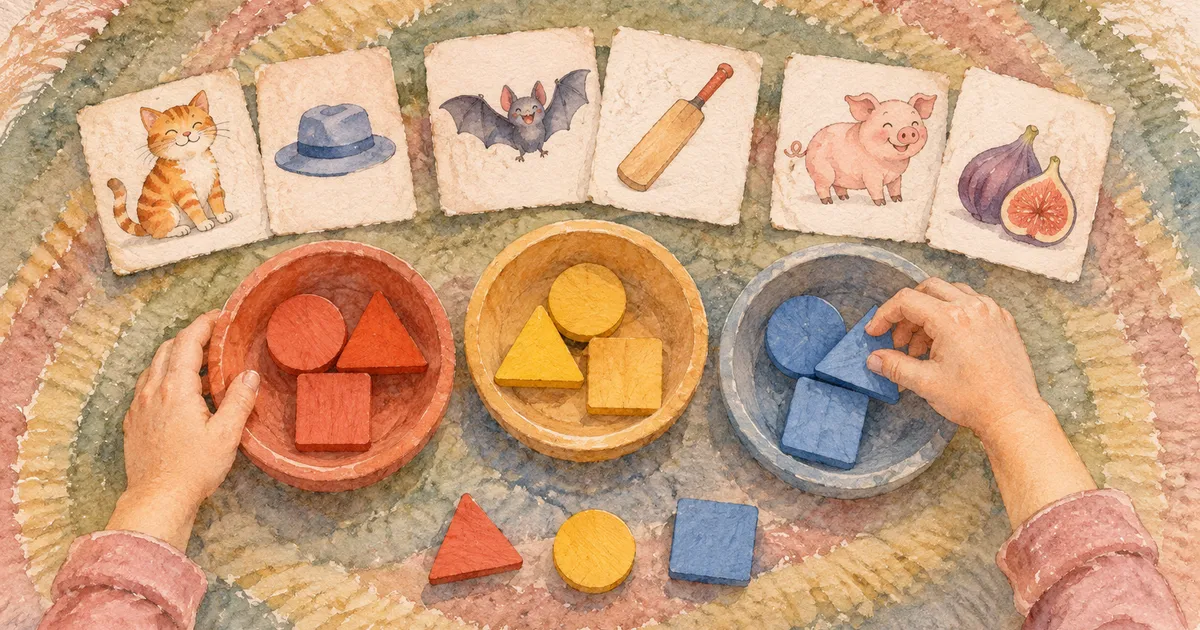
School-age kids can match three animal pictures with three object pictures, then hunt around a room for an object that rhymes with an animal card. Older learners can write a four-line animal poem, mark its rhyme pattern, and replace weak words with precise vocabulary.
Practice Ideas for Home and the Classroom
Animal Rhyming Words and Activities for Kids need frequent, brief practice instead of one long drill. Reuse four pairs across a week: listen and match, complete sentences, recall pairs without pictures, then use one pair in a new sentence.
Fill a rhyme bag with animal and object cards. Your child draws an animal and finds its partner. For a movement game, place pictures around the room and call an animal word. The child moves to its rhyming picture and says both words. With more than one child, take turns to protect careful listening.
During online study, our tutors can model mouth position, test whether a child hears the final sound, and adjust the choices. LearnLink lessons follow a focused sequence: hear the rhyme, understand both words, say the pair, and use it in context. Families can repeat the sequence with household objects or drawings.
Common Mistakes and Simple Fixes
Children may match first sounds, pairing “cat” with “cow.” Contrast the sounds: “Cat and cow start alike. Cat and hat end alike.” Ask the child to repeat each ending, then say the whole words. The correction stays brief and specific.
Spelling can mislead learners. Similar-looking endings do not guarantee a rhyme, while different spellings may rhyme. Say the words before showing the cards. When pronunciation varies across English accents, explain the difference and select examples that rhyme in the model your child is learning.
Introducing too much vocabulary at once can cause guessing, forgotten meanings, or imitation without listening. Three secure pairs are more valuable than fifteen uncertain ones. Review known pairs, add one or two new pairs, and finish with a sentence or drawing that demonstrates understanding.
- Try three animal rhymes with children ages five to seven after breakfast.
- Use one picture book and pause before each predictable animal rhyme.
- Correct mismatched sounds by stretching final syllables and comparing them aloud.
- Avoid forcing spelling matches; listen for identical ending sounds instead.
- Repeat each successful rhyme twice, then invite your child to lead.
When a word has several meanings or pronunciations, Cambridge Dictionary is a useful check before turning it into child-friendly examples.
Frequently Asked Questions
How Many Animal Rhyme Pairs Should a Child Learn at Once?
Begin with three to five pairs for a child new to rhyming. Choose familiar animals and teach every partner word. When your child can recognise, say, and use most pairs without prompts, add one or two more. Older children may manage a larger set, but accurate listening matters more than quantity.
What If My Child Cannot Hear Which Words Rhyme?
Say one contrast, such as “cat–hat” and “cat–fish,” without showing the spelling. Let your child watch your mouth, repeat the pairs, and listen to each ending. Pictures reduce memory demands. If the task stays difficult, offer two choices and practise briefly before stopping.
Do Rhyming Words Always Have the Same Spelling?
No. Rhyme depends on sound, not identical letters. “Bear” and “chair” rhyme despite different spellings, while similar-looking words may sound different. Teach each pair by ear before showing the written forms. This order helps children learning English alongside another language or writing system.
Can These Activities Help Older Children and Teenagers?
Animal Rhyming Words and Activities for Kids can support older learners when tasks match their level. Ask them to write comic verse, compare accents, identify rhyme patterns, or distinguish exact and near rhymes. Use age-respectful language and less familiar animals, verbs, and descriptive words to expand vocabulary.
Use these takeaways in the next practice session:
- Start with three familiar animal pairs and explain every word.
- Practice hearing each rhyme before showing its spelling.
- Try one sentence or mini-verse to check understanding.
Start your child's English journey today — book a trial lesson with LearnLink.
Stay updated on our latest tips and resources by following us on Instagram LearnLink.