Ball Games in English for Kids
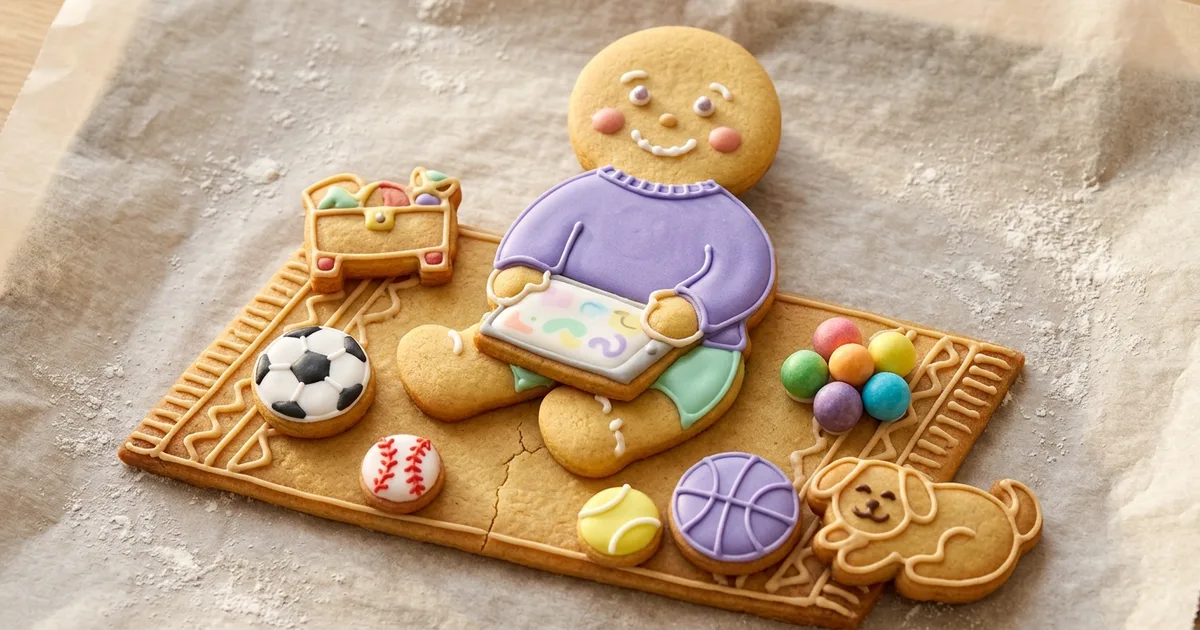
Children can start with familiar ball-game nouns, action verbs, and play phrases. Ball Games in English for Kids: Vocabulary and Activities connects words such as “ball,” “throw,” and “Your turn” to visible movements, reducing reliance on translation. Younger learners repeat a small set through play; older children add rules, tactics, and complete sentences. The goal is to understand instructions, respond correctly, and speak English naturally during a shared game.
📥 Ball Game English Practice Pack
Words, phrases, activities, and home practice for young learners
Leave your email — we'll send the PDF to your inbox.No spam — the PDF plus one short reminder. Unsubscribe anytime.
Core Words and Phrases for Ball Games
Start with these core words and short examples before adding more specific vocabulary.
For Ball Games in English for Kids: Vocabulary and Activities, begin with participation words. Teach nouns for people, places, and equipment alongside demonstrable verbs. Add social phrases early: games require children to ask, answer, wait, and cooperate.
Teach words in pairs: “throw and catch,” “kick and pass,” or “bounce and dribble.” Demonstrate each action, name it, and ask your child to copy. Explain regional differences: in some countries, “football” means the game called “soccer,” while “American football” names a different sport.
Putting the Vocabulary into Context
When practising Ball Games in English for Kids: Vocabulary and Activities, put each new word in a short instruction or exchange. Replace drills of “ball, net, goal” with “Pick up the ball,” “Throw it over the net,” and “Kick it into the goal.” Physical action shows meaning.
Use adaptable sentence frames: “I can ___ the ball,” “Pass it to ___,” “We scored ___ points,” and “You need a ___ to play.” A younger child might say, “I can kick.” An older learner can expand: “I sent the ball because my teammate was near the goal.”
During the first rounds, speak concisely. “Bounce the ball three times and send it to me” is easier to follow than continuous commentary. Once the words are secure, add game language such as “Good try,” “Whose turn is it?” and “That point does not count.”
Activities for Different Ages
School-age kids: choose one ball and two or three actions. Say “roll,” “stop,” or “throw” while demonstrating. Your child copies, then gives the instruction. A soft ball or a pair of rolled-up socks works indoors. Keep turns brief and stop while the game feels lively.
School-age kids: play an instruction ladder. Start with “Bounce the ball.” Add one detail after each successful turn: “Bounce the ball twice,” then “Bounce it twice and roll it to your left.” Let your child become the caller; giving instructions demands more active language than following them.
School-age kids: add choices, reasons, and basic tactics. Pause a familiar game and ask, “Who should receive the next pass?” or “Why was that point allowed?” Your child can explain a rule, compare two games, or give a short match report with “first,” “then,” and “finally.”
A Simple Practice Routine at Home
A short routine makes Ball Games in English for Kids: Vocabulary and Activities manageable for first-time online learners. Reuse the core language across a few days. Change the challenge before the word set: throw higher, roll more slowly, move the ball with the other hand, or give a longer instruction.
Ten-minute Ball-language Challenge
Spend two minutes naming equipment and actions, then three minutes on “Listen and do.” During the next three minutes, your child gives instructions. Finish with two minutes of questions: “What did you throw?”, “Who caught it?”, and “What was the score?”
If space is limited, use a paper ball and basket. If movement is difficult, point to picture cards, move a toy player, or describe events in a short silent sports clip. The English goal remains unchanged when the physical task changes.
Common Mistakes and How to Correct Them
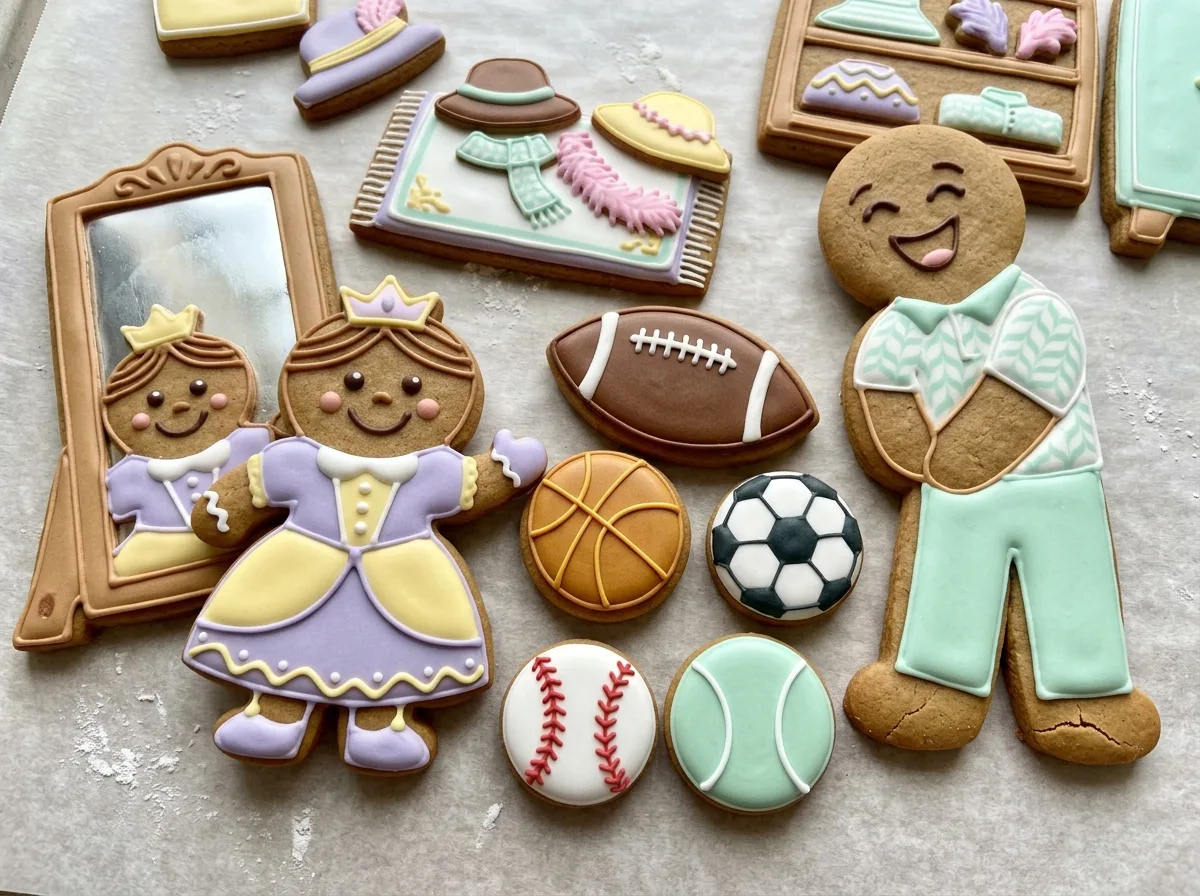
Children may confuse “throw,” “hit,” “kick,” and “shoot” because each action can send a ball towards a player or target. Demonstrate the contrast: throw with a hand, kick with a foot, hit with a bat or racket, and shoot towards a goal or basket. Sports apply these verbs differently, so teach the form used in each game.
Practise typical word combinations. We “play tennis,” “play basketball,” and “play football,” but “go bowling.” A player “scores a goal” in football or handball and “scores a point” in tennis. Practise the sound contrast between “ball” and “bowl”; children may know both yet hear one word.
Do not let speed or competition silence the learner. Allow thinking time before repeating an instruction, and accept a gesture before requesting the full phrase. Rotate roles so every child can call the play, move the ball, and keep score. Praise accurate communication and fair play, not only winning.
- Practice three ball-game verbs with children aged six to eight today.
- Use picture cards to correct five vocabulary mistakes before outdoor play.
- Try one slow demonstration before asking your child to repeat instructions.
- Praise accurate phrases, then gently model one corrected sentence without interruption.
- Review four ball games in English using a bedtime picture book.
For the rule wording, British Council LearnEnglish Kids is a useful reference while the practice examples here stay adapted for children.
Frequently Asked Questions
How Many Ball-game Words Should My Child Learn at Once?
For a beginner school-age kids, start with about six words: “ball,” “throw,” “catch,” “kick,” “pass,” and “stop.” Reuse them in short games before adding more. New vocabulary can begin when your child responds without copying your movement every time.
Which Ball Game Is Best for Learning English?
Choose a game your child understands. Familiar rules leave more attention for English. Catch, target throwing, football, basketball, and beginner racket games each work through repeated actions and defined turns. Choose one suited to your space, your child’s movement needs, and available equipment.
Can a Multilingual Child Use Another Language During Practice?
Yes. Another language can confirm meaning or explain a rule. Then return to a short English phrase: “Send it to me,” “My turn,” or “I scored.” Do not treat the home language as a mistake. The goal is to add English to your child’s language resources, not replace them.
Can Ball-game Vocabulary Support Grammar Too?
Yes. Ball Games in English for Kids: Vocabulary and Activities supports commands, questions, past-tense reports, and reasons. Begin with “Catch the ball,” move to “Can you catch it?”, then ask, “Why did you give it to your teammate?” Grammar becomes easier when each sentence serves a visible purpose in the game.
Want to see how these ideas work in a real lesson — try a LearnLink trial lesson.
Stay updated on our latest tips and resources by following us on Instagram LearnLink.