English Level Tests for Kids

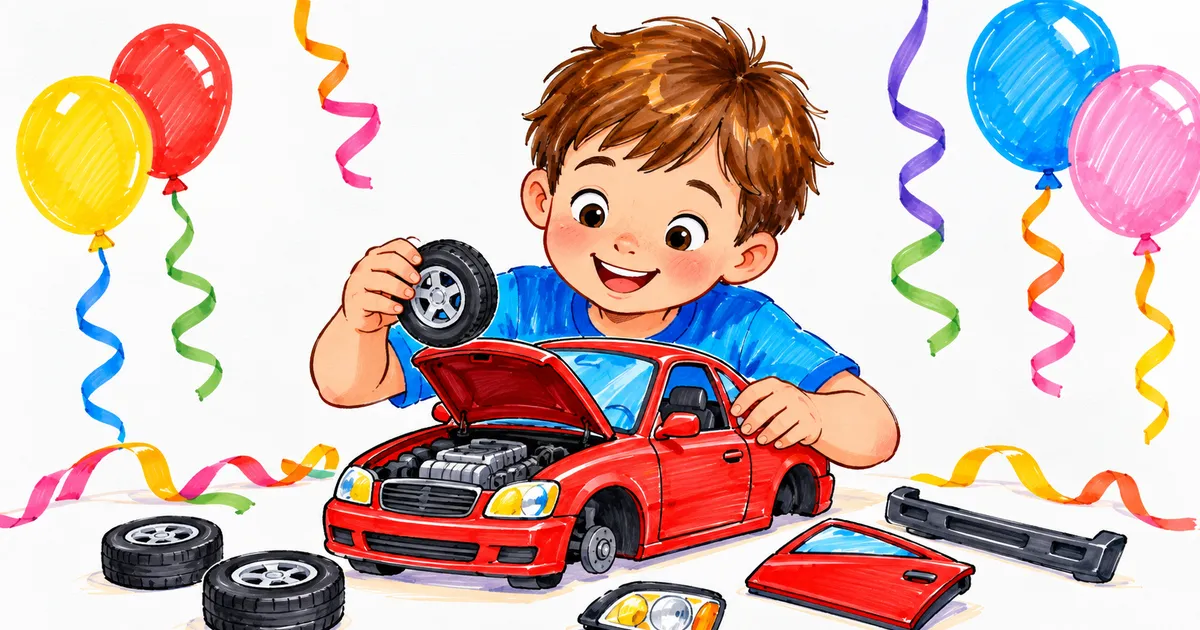
A good children’s English level test shows what your child can understand, say, read, and write now — not a permanent label. This guide explains english level tests for kids what parents should expect before a first lesson, a school placement check, or early exam planning. For children aged 4-15, the test should feel like a guided conversation, not a formal school paper. A tutor may use pictures, short questions, reading lines, listening tasks, or a small writing prompt. The aim: find the right starting point, protect confidence, and plan lessons that are neither too easy nor too hard.
📥 A Calm English Level Test Practice Sheet
Explore common test tasks, understand CEFR results, and prepare with confidence.
Leave your email — we'll send the PDF to your inbox.No spam — the PDF plus one short reminder. Unsubscribe anytime.
What a Children’s English Level Test Usually Checks
Most checks look at four skills: listening, speaking, reading, and writing. Younger children may not write much, because letter control and English level differ. A 5-year-old can understand many classroom words yet still struggle to form letters neatly.
For families searching english level tests for kids what parents should expect, the key point is balance. A strong test does not only ask grammar questions. It checks whether your child can follow instructions, answer naturally, describe a picture, read age-suitable text, and use English to solve a task.
How CEFR Levels Work for Children
Parents often see labels such as Pre-A1, A1, A2, B1, or B2. These come from the Common European Framework of Reference, a scale used across many countries. For children, read the level with care: age, literacy, school background, and confidence all affect performance.
A child at Pre-A1 may know colours, animals, family words, and classroom phrases. At A1, a child answers basic personal questions and understands short everyday sentences. At A2, they discuss routines, likes, past events, and plans. Older children reach B1 when they can explain opinions, retell events, and read longer texts with support.
What Happens Before, During, and After the Test
Before the test, the family may be asked about the child’s age, school grade, home languages, past English study, and any exam goal. This helps the tutor choose fair tasks. A bilingual child may process new sounds quickly but still need time with English spelling.
During the test, a young child may name objects, choose pictures, repeat phrases, or answer “What can you see?” Older children may read a short text, discuss a hobby, correct a sentence, or write four to six lines. Afterward, parents should receive a clear level estimate, strengths, gaps, and a next-step plan.
That is the heart of english level tests for kids what parents should expect: not a score alone, but a practical learning map. The result should say what your child can do now and what lesson pace will help next.
Examples by Age
For younger kids, the test should be playful and short. A tutor may use toys, pictures, songs, movement, or “show me” tasks. At this age, silence does not always mean “no English” — some children need warm-up time before speaking to a new adult on screen.
For school-age kids, children can handle picture description, short reading, matching tasks, and personal questions about school, food, games, animals, or family routines. A fair test gives them time to think and does not punish every small grammar error.
For older kids, the check can include longer speaking turns, reading comprehension, grammar in context, and a short writing task. The tutor may ask for an opinion, a comparison, or a past story. The goal is to see how independently the child uses English, not whether they know every rule name.
How to Prepare Without Overpreparing
Preparation should make the child comfortable with the format, not teach a script. A memorised, perfect answer can push the level result too high, making first lessons frustrating. Honest placement is kinder than a polished performance.
In the week before a level check, practise short everyday answers: name, age, school, hobbies, favourite food, weekend activities, and opinions. Read one short English text together and ask, “Who is in the story?”, “Where are they?”, and “What happens next?”
When families read about english level tests for kids what parents should expect, they sometimes picture a strict exam. A placement test should be calmer. Sleep, a working microphone, and a quiet place matter more than last-minute grammar drilling.
Home Warm-Up: Five Simple Questions
Ask your child these in a relaxed way: What is your name? How old are you? What do you like to do after school? What can you see in this room? What did you eat today? Accept short answers first, then help your child add one detail.
Cambridge, School Placement, and Tutor Assessments
Some parents ask about Cambridge English Qualifications such as Pre A1 Starters, A1 Movers, A2 Flyers, A2 Key for Schools, or B1 Preliminary for Schools. These exams have their own task types and preparation paths. LearnLink helps your child build confident, everyday English that supports them at every stage.
A school placement test decides which group a child should join. A tutor assessment is more flexible: it can read personality, confidence, attention span, and learning habits. If an exam is part of your long-term plan, share that context early so lessons build the right skills over time.
What the Results Should Tell You
A result should be specific. “A1” alone is not enough. Parents need to know whether the child understands spoken instructions, speaks in words or sentences, reads confidently, writes with support, or avoids speaking because of nerves.
Ask for next steps in plain language: “Build sentence answers,” “Practise past tense in stories,” “Read short graded texts twice a week,” or “Increase speaking turns before exam-style tasks.” A strong plan links the result to real lessons.
This is why english level tests for kids what parents should expect should include both level and learning advice. The label helps with orientation; the advice helps your child move forward.
Mini Practice: Make the Answer Longer
Start with “I like football.” Add one reason: “I like football because it is fast.” Add one detail: “I play with my friends on Saturday.” This step shows whether your child can move from word answers to fuller speaking.
- Compare the score with your child's age, reading habits, and classroom exposure.
- Choose one level-appropriate graded reader and read ten minutes together daily.
- Practice three missed skill areas with short games, songs, or picture cards.
- Ask the teacher which CEFR band matches current schoolwork and homework.
- Retest after six weeks using the same format and calm routine.
For the rule wording, Wikipedia — English Grammar is a useful reference while the practice examples here stay adapted for children.
Frequently Asked Questions
How Long Should an English Level Test for a Child Take?
For younger children, 15-25 minutes is enough to see listening, speaking, and basic vocabulary without tiring them. Older children may need 30-45 minutes if reading and writing are included. The test should be long enough for a fair picture, but not so long that the child loses focus and the result becomes less reliable.
Should I Help My Child During the Test?
No. You can help with the camera, microphone, or logging in, but avoid translating, whispering, or correcting answers. The tutor needs to hear what your child can do independently. If your child is shy, stay nearby quietly. A calm parent in the room helps a young child feel safe without changing the result.
What If My Child Understands English but Does Not Speak?
This is common among children who have watched English videos or heard English at school but had little speaking practice. The result may show stronger listening than speaking — valuable information. Lessons can then start with short safe speaking turns, picture choices, repeated sentence frames, and personal answers.
Can One Test Tell the Exact Level?
One test gives a strong starting estimate, but performance shifts with mood, sleep, confidence, and the adult a child speaks to. The first few lessons should confirm the placement. If the work is too easy or too hard, the tutor should adjust the level rather than hold to the first result.
What Does English Level Tests for Kids What Parents Should Expect Mean in Practical Terms?
It means expecting a child-friendly check of real language use: listening, speaking, reading, writing when age-appropriate, and a clear explanation afterward. The best outcome is a fair starting level, a calm child, and a lesson plan that matches age, confidence, and goals.
- Try one relaxed warm-up question before the test, then let your child answer independently.
- Start with the level estimate, but read the strengths and gaps more carefully than the label.
- Practise the next lesson goal in small steps: one clearer answer, one short text, or one extra speaking turn.
A short one-to-one lesson can show what level and pace fit your child — book a free English lesson.
Stay updated on our latest tips and resources by following us on Instagram LearnLink.