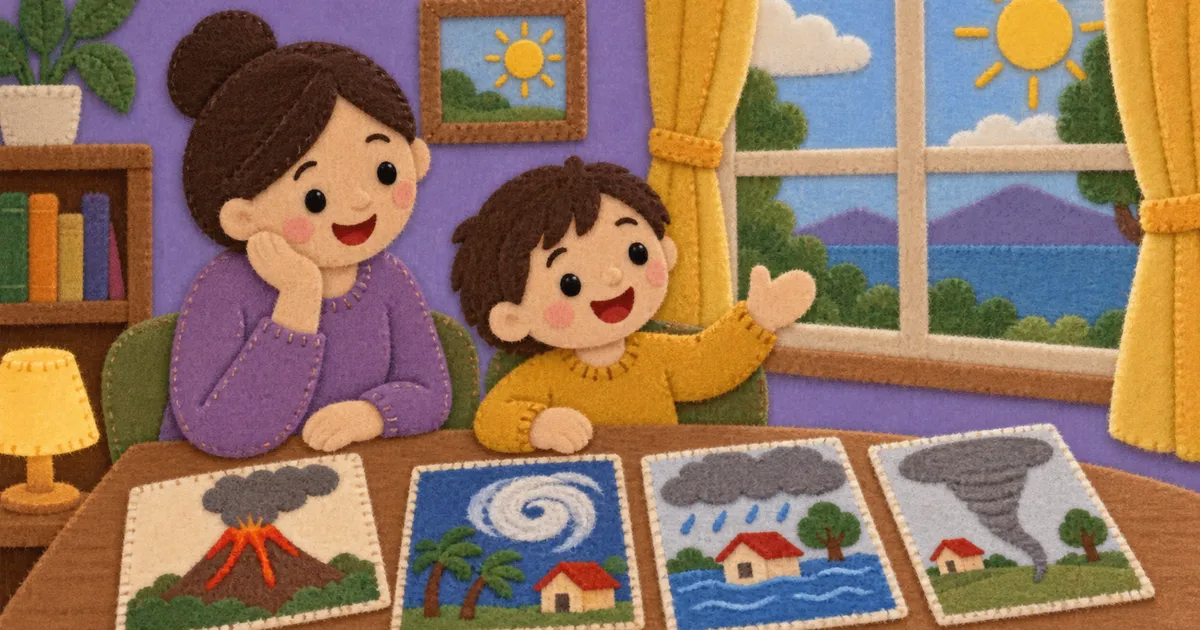
Listening Comprehension Exercises for Kids
English listening comprehension exercises for kids build the three core skills children need before they can hold a real conversation: sound discrimination, contextual guessing, and short-term auditory memory. Research on second-language acquisition shows that ten minutes of daily focused listening outperforms a single long session each week, even for children as young as four. A child who practices regularly learns to hear the difference between "ship" and "sheep," follow a short story without a transcript, and answer simple questions about what they just heard. The activities below are organized by age so you can start exactly where your child is.
📥 Listening Comprehension Practice for Kids
Short printable activities for building real-life listening skills at home or in class
Leave your email — we'll send the PDF to your inbox.No spam — the PDF plus one short reminder. Unsubscribe anytime.
What Listening Comprehension Really Means
Listening comprehension is more than hearing words. A child has to hold a sentence in memory, sort the important parts from the filler, and connect it to what they already know. In a first language this happens without effort. In English, a young learner is doing all of that while also decoding unfamiliar sounds.
That is why a child can name fifty animals on flashcards yet freeze when a cartoon character asks a question. Vocabulary and comprehension are separate skills. Good listening practice builds the bridge between them: your child hears real speech, then does something with it — points, draws, answers, or acts it out.
How to Build a Daily Listening Habit
Pick a fixed slot — breakfast, the school run, or bath time — and attach one short English audio to it. Consistency matters more than length. A five-year-old who hears the same song every morning will start predicting the next line within a week.
Start with audio your child can partly follow from pictures or gestures, then slowly remove the visual support. Watch a clip with subtitles off, then ask one question. English listening comprehension exercises for kids work best when you pause and let your child respond, rather than playing sound in the background while they do something else.
Keep the mood light. If your child misses an answer, replay the moment and point to the clue. Never turn it into a test.
Age-appropriate Examples
school-age kids need sound and movement. Play "Simon Says" in English, sing action songs, or read a picture book aloud and let your child point to the object you name. At this stage, understanding one keyword in a sentence is a real win.
school-age kids can follow a short story and answer who, what, and where. Try a two-minute audio tale, then ask three questions. school-age kids handle longer clips, opinions, and detail: a documentary segment, a podcast for teens, or a song where they catch specific lyrics. Match the challenge to the child, and step up only when the current level feels easy.
Comparing Listening Activities by Age and Effort
Practical Activities You Can Start Today
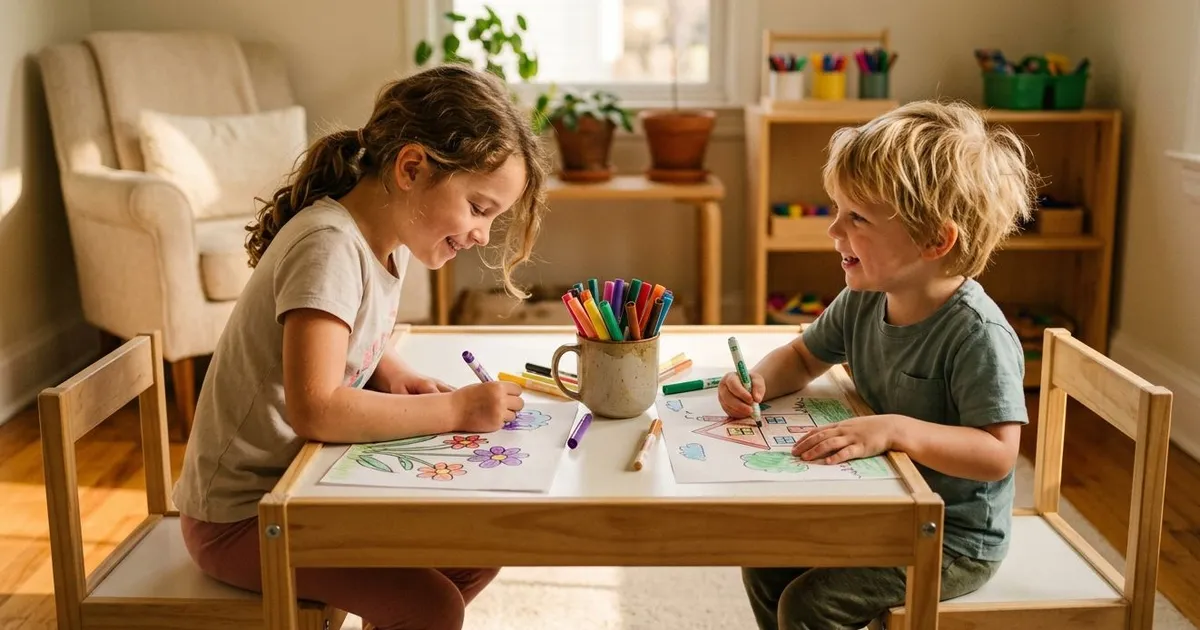
Try "draw what you hear": describe a simple scene in English — "a red house, two trees, a big sun" — and let your child draw it. Compare drawings at the end. This turns passive listening into an active task and shows you exactly which words landed.
Data current as of July 2026.
Another favourite is the "one detail" game. Play a 90-second clip and ask your child to catch a single thing beforehand — a colour, a name, a number. Because they know the target, they listen with purpose instead of drifting. Over time, ask for two details, then three.
Try This: The Story Pause Game
Read or play a short English story. Stop right before something happens and ask, "What do you think comes next?" Let your child guess in any language, then continue and check. This trains prediction — one of the strongest signs that a child is truly following spoken English, not just catching stray words.
Common Mistakes Parents Make
The first mistake is choosing audio that is too hard. If your child understands almost nothing, the brain stops trying. Aim for material where they catch roughly half — enough to feel progress, enough to stretch.
The second is confusing exposure with practice. Leaving an English cartoon running while your child plays with toys builds familiarity, not comprehension. Real gains come from short clips followed by a question or an action. English listening comprehension exercises for kids need that small moment of response to move a word from "heard" to "understood."
How Structured Lessons Help
At home you control the routine, but a trained teacher hears things you might miss — a sound your child consistently confuses, or a gap between what they recognise and what they can act on. In LearnLink 1-on-1 lessons, our tutors adjust the speed and vocabulary of their speech in real time, giving your child listening practice pitched exactly to their level.
More than 4,000 families across 100+ countries now learn with LearnLink, and listening is woven into every 25- or 50-minute session. The home habits in this guide and regular lessons reinforce each other: practice at home, feedback in class.
When a word has several meanings or pronunciations, Cambridge Dictionary is a useful check before turning it into child-friendly examples.
Frequently Asked Questions
How Much Listening Practice Does My Child Need Each Day?
Ten to fifteen focused minutes is plenty for most children under ten. What counts is the "focused" part — a short clip followed by a question or a small task, not background sound. Teenagers can handle twenty to thirty minutes of a podcast or video they enjoy. Daily and short beats long and occasional, because the ear needs frequent, repeated contact with English to build lasting habits.
My Child Understands Cartoons but Not People. Why?
Cartoons use clear speech, repeated phrases, and strong visual clues, so a child leans on the pictures. Real conversation moves faster and offers fewer hints. Bridge the gap with audio-only exercises — songs, stories, and podcasts without a screen — so your child practises pulling meaning from sound alone. English listening comprehension exercises for kids that remove the visuals build exactly this skill over a few weeks.
Should I Use Subtitles?
Use them as a temporary support, not a permanent one. English subtitles can help an older child link sound to spelling, but a young learner will read instead of listen. Try a clip with subtitles on, then replay it with them off and check what your child remembers. The goal is to fade the text away.
What If My Child Gets Frustrated?
Frustration usually means the material is too hard or the session is too long. Drop to easier audio, shorten the time, and add movement or drawing so listening feels like a game. Praise effort, not just correct answers. If a clip flops, switch it — there is no single right resource, only the one your child stays curious about.
Can These Exercises Replace Lessons?
Home practice and lessons do different jobs. At home you build the daily habit and give your child lots of contact with English. A teacher spots specific weaknesses, corrects them, and pushes speaking alongside listening. The two together work far better than either alone, which is why a short trial lesson is a useful way to see where your child stands.
Start your child's English journey today — book a trial lesson with LearnLink.
Stay updated on our latest tips and resources by following us on Instagram LearnLink.