English Story Sequencing for Kids

english story sequencing for kids helps a child order events: beginning, middle, end. English story sequencing for supports reading, speaking, writing, listening, and problem solving. When a child says, “First the boy packed his bag, then he missed the bus, so he called his father,” that retell shows cause, time, memory, and language control. For children learning English at home or online, sequencing gives structure without grammar-test pressure.
Why Story Order Matters in English Learning
Children grasp stories before formal rules. A 5-year-old may not know “sequence,” yet can tell you the egg comes before the chick, or a character loses a key before searching. english story sequencing for kids turns that order sense into English words.
Sequencing helps children speak in fuller sentences. Instead of naming items, they link ideas with “First,” “after that,” “because,” “so,” and “finally.” These small words do heavy work, helping a child sound precise, not just fluent.
For older children, story order builds reading comprehension. English texts often rely on time clues, flashbacks, reasons, and results. When a child tracks what happened first and why it matters, guessing from one sentence becomes less feels less tempting.
What Children Learn Through Story Sequencing
Story sequencing means more than arranging picture cards. It teaches children to notice who acts, what changes, and how one event leads toward another. That matters for everyday speech and school tasks.
A young child might say, “The girl is sad. Then she finds the dog.” An older child can add detail: “The girl felt sad because her dog was missing. After she searched the park, she found him near the gate.” Both answers show growth at different levels.
english story sequencing for kids works best when mistakes become clues. If a child puts the ending first, skip sharp correction. Ask, “What happened before that?” or “How did the character get there?” This question guides the child back.
A Step-by-step Approach Parents Can Use
Start with real life. Before storybooks, ask your child to sequence familiar actions: brushing teeth, making a snack, getting ready for school, or packing for a trip. Routines lower language load because the child already knows each event.
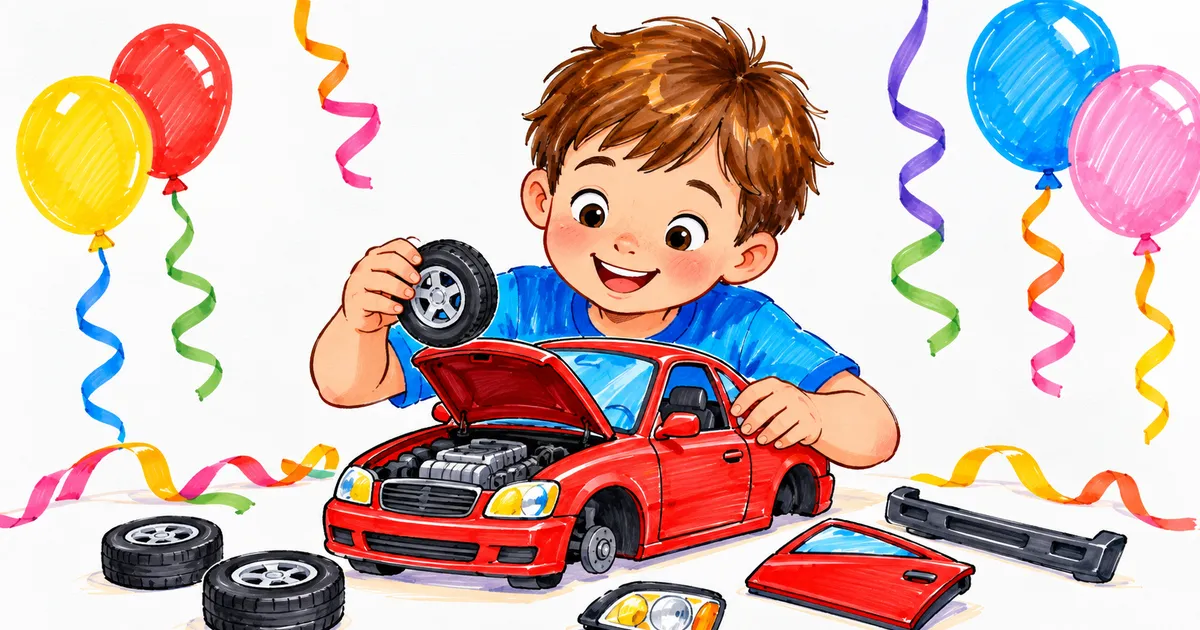
Next, add pictures. Use three images first, then four, then six. Ask your child to order them and say one sentence for each picture. Keep English short: “First, the cat climbs the tree. Then the girl calls for help. Finally, the cat comes down.”
When this feels easy, remove one picture and ask, “What is missing?” This checks understanding. The child must hold the story mentally, not match pictures by sight. Across LearnLink lessons, our tutors often use this small step, helping children speak more without forcing long answers too soon.
Practical Examples for Home and Lessons
For younger children, use a three-step story: “A boy plants a seed. The seed grows. The boy picks a flower.” Ask your child to touch each picture and say the sentence. Then ask: “What happened first?” or “What happened at the end?”
For children, use a short problem story: “Lena forgot her lunch. Her friend shared a sandwich. Lena thanked her friend.” Add feeling words. “How did Lena feel first? How did she feel later?” This links sequence with emotional understanding.
For older children, try a mixed-up paragraph. Write four story sentences in the wrong order and ask your child to number them. Then ask for the reason behind each choice. english story sequencing for kids grows stronger when the child says why the order makes sense.
Try This Five-minute Sequencing Task
Write these sentences on separate slips: “The children heard thunder.” “They ran inside.” “Rain started falling.” “They played a board game.” Ask your child to order them, then retell the story using “first,” “then,” “after that,” and “finally.” For a harder version, ask them to add one sentence between the second and third event.
Common Mistakes and How to Respond
Some children list events without links: “Dog lost. Boy sad. Park. Dog found.” This stage is normal. Give a sentence frame instead of a long correction: “First, the dog was lost. Then.” Let your child finish.
Other children use “then” for every connection. It helps at first, but English needs more bridges. Add one new word each time. Start with “because”: “The boy was sad because the dog was lost.” Later, add “so”: “The boy looked in the park, so he found the dog.”
A third mistake is rushing to the ending. Children often want the exciting part first. Instead of stopping them, place the ending card on the table and ask, “What two things happened before this?” This keeps story energy while rebuilding order.
Tips for Multilingual Families
Children learning English may already use two or more languages at home. That never blocks story sequencing. A child who understands order in one language can carry that thinking into English. Parents build the bridge.
If your child gets stuck, allow a quick home-language explanation, then return to one English sentence. They may explain the plot in Spanish, Hebrew, French, Arabic, or another language, then say, “First, the rabbit lost the map.” That is progress.
english story sequencing for kids should not turn family reading into a test. Keep talk warm and short. One bedtime-story retell is enough. Over time, children begin using English order words without prompts.
How to Make Sequencing Harder Without Pressure
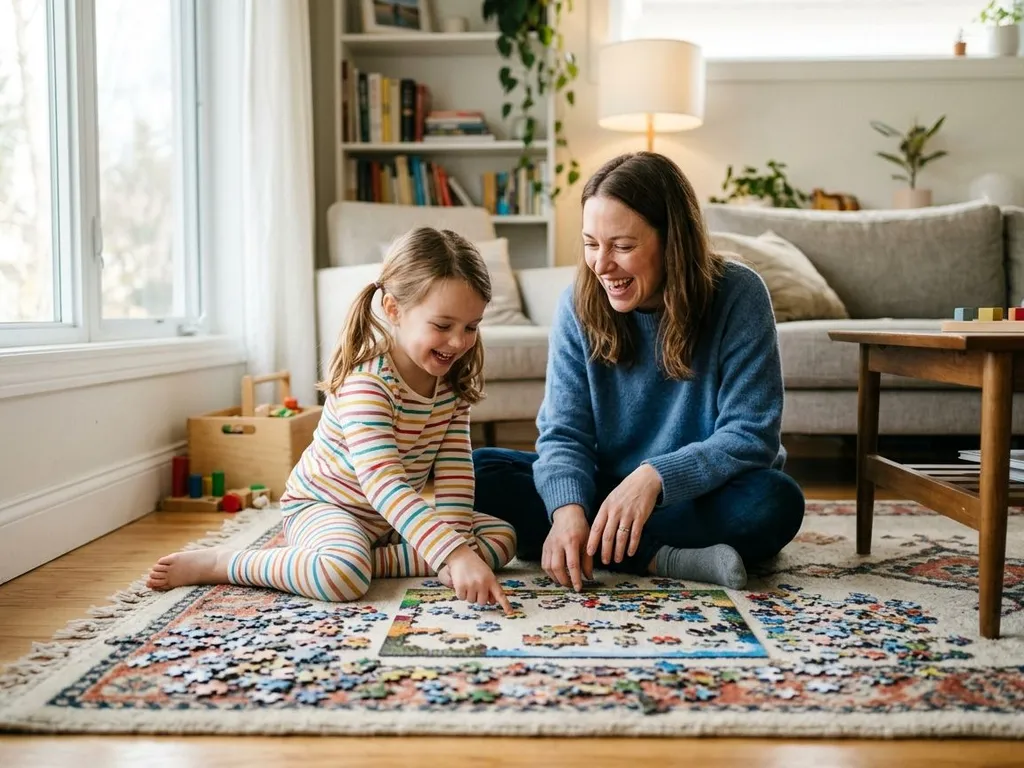
Once your child can order events, add choice. Ask, “Could the story happen in a different order?” Some events can move; others cannot. A child can eat cake before opening presents in one story, but cannot dry hair before washing it unless the story is silly on purpose.
Next, ask for reasons. “Why did the character hide?” “What changed after the storm?” These questions move the child from memory toward meaning. They prepare older learners for book reports, class discussion, and writing tasks.
Finally, let your child create a new ending. Keep the first three events the same and ask for two possible endings: one happy, one surprising. english story sequencing for kids becomes creative, not only correct.
- Try three-picture retells with a familiar bedtime book for ages four to six.
- Add one extra card after your child sequences three events confidently.
- Use first, next, then, and finally during daily routines like breakfast.
- Ask your child to explain one changed order without correcting immediately.
- Practice english story sequencing for kids with five-minute sessions twice weekly.
For reading and phonics support beyond the article examples, Scholastic Parents is a helpful independent resource for parents.
Frequently Asked Questions
What Age Should Children Start Story Sequencing in English?
Children can start around age 4 with picture order: first, next, last. At this age, perfect English is not the goal. Noticing order and using a few words matters more. Older children can work with longer stories, reasons, and different points of view. Match the task to attention span, not only age.
How Often Should We Practise Story Sequencing at Home?
Two or three short weekly sessions are enough for families. Five to ten minutes works well, especially with younger children. Use bedtime stories, cartoons, family routines, or picture cards. english story sequencing for kids works best as shared talk, not homework after a long day.
Should I Correct Every Grammar Mistake During Retelling?
No. Correct every error, and your child may stop taking risks. Choose one focus at a time. During sequencing, listen first for order: beginning, middle, end. Then model one better sentence naturally. If your child says, “Then he go home,” answer, “Yes, then he goes home,” and keep the story moving.
What If My Child Understands the Story but Cannot Explain It in English?
This is common for first-time online learners and multilingual children. Understanding often comes before speaking. Let your child point, number pictures, or answer with one word first. Then offer a sentence starter: “First, the.” or “After that, she.” Repeated frames help children turn understanding into spoken English.
Can Story Sequencing Help with Writing?
Yes. Writing becomes easier when a child plans order before choosing every word. For younger children, this may mean drawing three boxes: beginning, middle, end. For older children, it may mean planning events, causes, and results before writing a paragraph. A clear sequence gives writing a backbone.
Start your child's English journey today — book a trial lesson with LearnLink.
Stay updated on our latest tips and resources by following us on Instagram LearnLink.