Food Vocabulary Activities for Kids
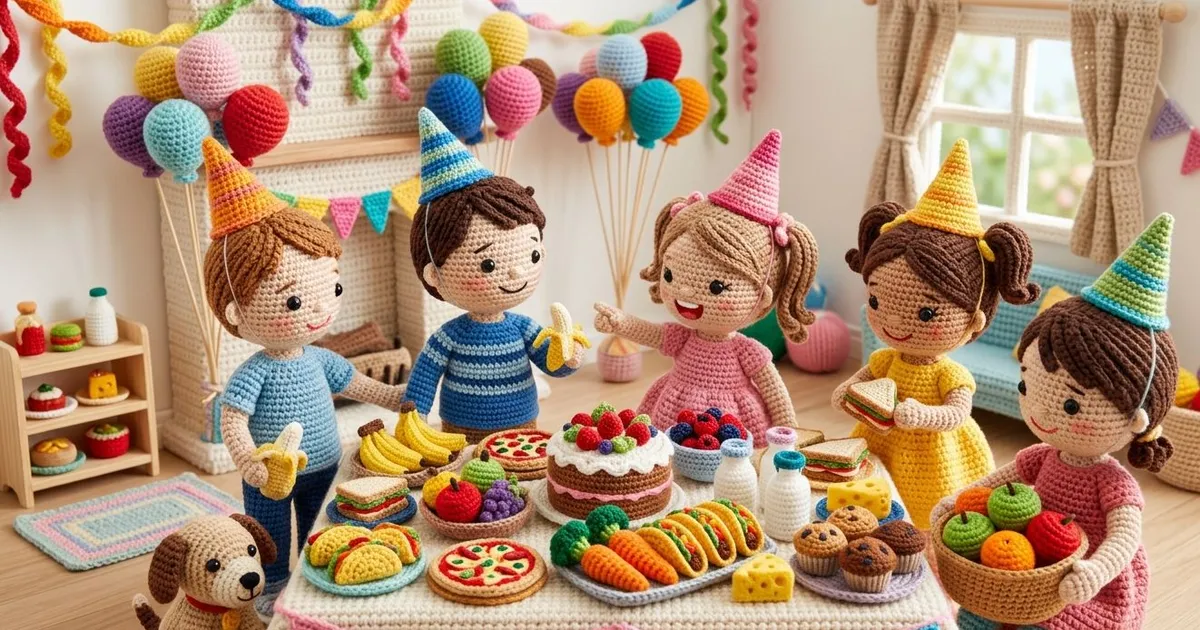
Food Vocabulary for Kids: Words and Activities gives children practical language for naming meals, asking for food, and saying what they like. Begin with foods your child sees at home, then add useful describing words and sentence frames. A child does not need to memorise a long dictionary before speaking. Words such as apple, rice, water, hungry, and delicious become useful when they appear in real requests and choices. Pictures, pretend cafés, cooking, and short guessing games make practice clear. Regular review matters more than one long vocabulary session.
📥 Food Vocabulary Activities for Kids
A printable practice pack for learning food words, building sentences, and using English at mealtimes
Leave your email — we'll send the PDF to your inbox.No spam — the PDF plus one short reminder. Unsubscribe anytime.
Useful Food Vocabulary to Learn First
Start with these core words and short examples before adding more specific vocabulary.
I eat an apple after lunch.
A banana is easy to pack.
We have bread for breakfast.
Cheese goes in the sandwich.
She drinks milk with cereal.
Drink water after playing.
A carrot is orange.
Rice is on the plate.
Treat Food Vocabulary for Kids: Words and Activities as a flexible vocabulary, not a fixed syllabus. Start with familiar foods and add items from your family’s kitchen. A child who eats couscous, dal, tortillas, or dumplings should learn those words alongside common textbook examples. This makes English useful without treating one country’s diet as the norm.
Add action words such as eat, drink, cook, cut, mix, pour, and taste. Then introduce describing words: hot, cold, sweet, sour, salty, spicy, crunchy, and soft. These words let children do more than label a picture. They can compare foods, explain preferences, and follow simple instructions.
Food Words in Full Sentences
The Food Vocabulary for Kids: Words and Activities approach works best when each noun enters a useful sentence. Model “This is an apple,” then move to “The apple is red” and “I would like an apple.” Hearing the same word in different patterns helps a child understand what stays the same and what changes.
Practise questions that children can use at home or while travelling: “What is this?”, “Do you like soup?”, “Would you like some rice?”, and “What would you like to drink?” Useful answers include “Yes, I do,” “No, thank you,” “I’d like water,” and “My favourite fruit is mango.” Polite forms deserve practice alongside the food nouns.
Older children can give reasons and compare choices: “I prefer pasta because it is easy to share,” or “This soup is spicier than the one we ate yesterday.” In LearnLink lessons, our tutors can build these patterns through menus, pictures, and guided conversation. The aim is meaningful speech, not a recital of isolated words.
Activities That Fit Each Age
Adapt Food Vocabulary for Kids: Words and Activities to the child’s attention span and language level. For school-age kids, use toy food, picture cards, or safe items from the kitchen. Ask the child to find, point, sort, and name: “Find the banana,” “Put the carrot with the vegetables,” or “Give me the cup.” Keep turns quick and repeat the same words across several days.
For school-age kids, add rules and short goals. Children can design a lunchbox, match foods to descriptions, play café, or solve clues such as “It is yellow, long, and sweet.” Let them write a small menu with a main dish, a drink, and a dessert. They can then take turns being the customer and server.
For school-age kids, use choices that invite opinions. Compare school meals from different countries, plan food for a trip, read a simple recipe, or discuss a balanced menu without labelling foods as morally “good” or “bad.” Older learners can also explain allergies, dietary choices, and cultural dishes: “This contains nuts,” “We do not eat meat,” or “We serve this during a family celebration.”
Practice Through Meals, Play, and Reading
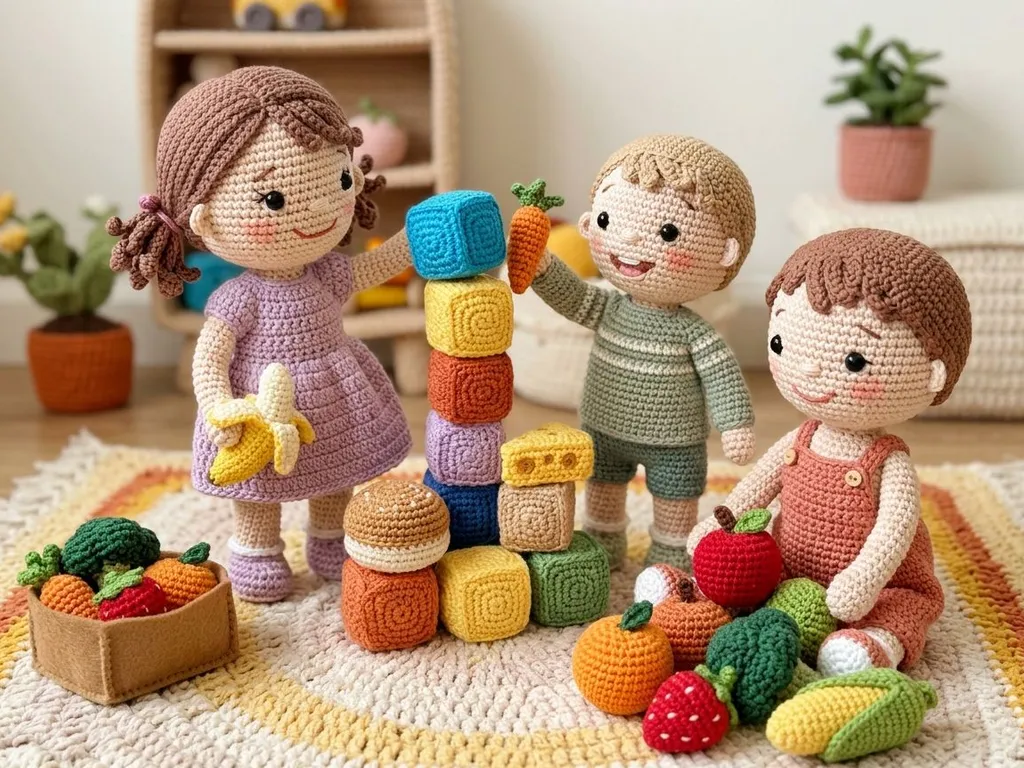
Meal preparation creates natural repetition. Ask your child to name ingredients, choose between two items, or describe what changes: “The cheese is cold,” “Now the soup is hot,” or “We are cutting the cucumber.” During a meal, focus on one small language goal, such as requests. Too many corrections can turn conversation into a test.
Kitchen Sort
Place several safe food items or pictures on a table. Ask your child to sort them by colour, meal, taste, or food group. After each choice, the child says a sentence: “The tomato is red,” “We eat cereal for breakfast,” or “Lemon tastes sour.” Change the sorting rule so the same words return in a new context.
Books and drawings extend practice beyond the kitchen. Pause at a market, picnic, or restaurant scene and ask what each person can see, wants, or dislikes. Revisit new words after a day, then again later in the week. This spaced review is more useful than copying each word many times in one sitting.
Common Food Vocabulary Mistakes
Food words bring several grammar and regional differences. Correct selectively. If your child says “I want apple,” respond with the full model—“You want an apple”—and keep the conversation moving. A clear model is often enough; a long grammar lecture is not.
Avoid replacing a home-language food name when English speakers commonly use that name too. Words such as sushi, taco, hummus, and curry already travel across languages. If pronunciation is unclear, say the word naturally, invite one relaxed repeat, and return to the activity. Clear communication comes before accent imitation.
- Practice five food words with children ages four to six during breakfast.
- Use picture cards to separate similar words like pear and peach.
- Correct one mistake gently, then ask your child to repeat the word.
- Read one illustrated food book aloud and name ten pictured items.
- Play a two-minute sorting game to review food vocabulary daily.
When a word has several meanings or pronunciations, Cambridge Dictionary is a useful check before turning it into child-friendly examples.
Frequently Asked Questions
How Many Food Words Should a Child Learn at Once?
There is no single correct number. Use Food Vocabulary for Kids: Words and Activities as a menu rather than a test. A young beginner may work with a small group of familiar words during one activity, while an older learner can handle more. Move on when your child can recognise the words and use some of them in short phrases. Keep earlier words in later games so they are not forgotten.
Should Children Learn Both British and American Food Words?
Teach the form your child meets most, but explain common alternatives when they arise. For example, British English uses crisps for what American English calls chips; British chips are close to American fries. Children do not need to use every version. They should learn that both can be correct and use context to understand the speaker.
What Should We Do If a Child Understands the Words but Will Not Speak?
Lower the speaking demand without removing participation. Let your child point, sort pictures, act, or choose between two answers. Then model a short phrase and invite, rather than require, a repeat. Some children need more listening time before they speak. Games with a clear purpose, such as ordering from a pretend menu, often feel safer than direct questioning.
Can We Practise English Food Words During a Meal in Another Language?
Yes. A multilingual family does not need to replace its usual mealtime language. Choose a brief English routine, such as naming ingredients before eating or making one request in English. You can compare words across the languages your child knows. This builds links between meanings while respecting the language patterns that already belong to your family.
If your child needs steady speaking practice, start small — choose a trial lesson.
Stay updated on our latest tips and resources by following us on Instagram LearnLink.