Gerunds After Like, Love, and Hate for Kids
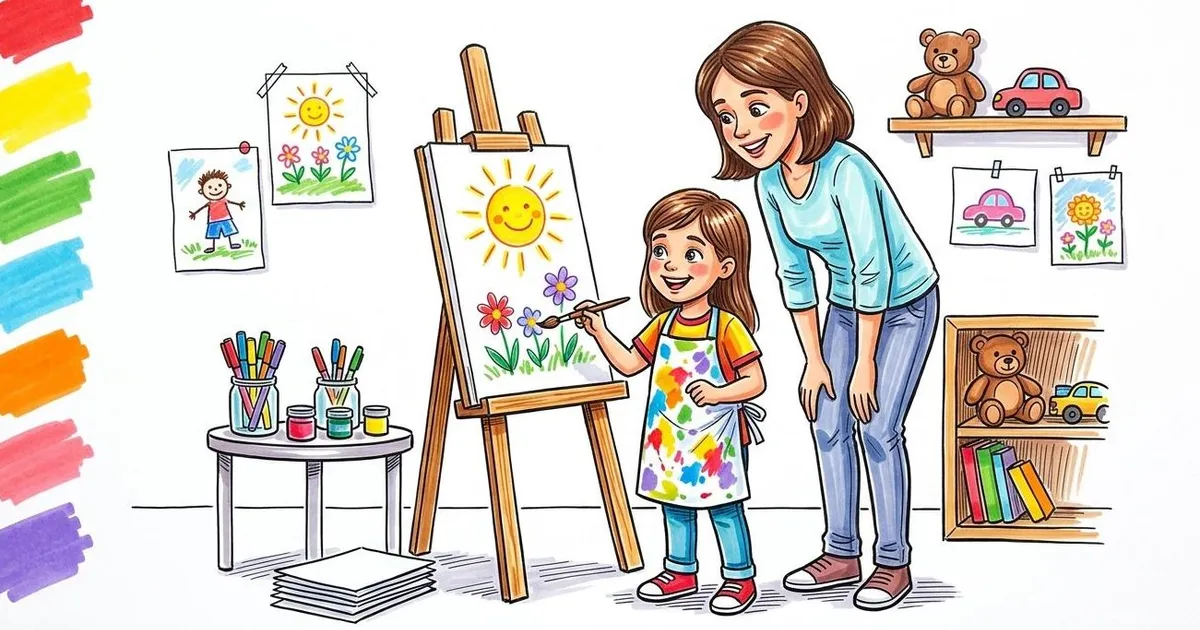
A gerund is an -ing form used as a noun. After like, love, or hate, it names an enjoyed or disliked activity: “I love drawing,” “She likes dancing,” or “We hate waiting.” Gerunds After Like, Love, and Hate: A Practical Guide for Children teaches this pattern through practical sentences. Identify the action that creates the feeling, then put its verb in the -ing form.
📥 Gerunds After Like, Love, and Hate
A child-friendly practice sheet for talking about favorite and disliked activities
Leave your email — we'll send the PDF to your inbox.No spam — the PDF plus one short reminder. Unsubscribe anytime.
What Children Need to Understand
In “I love swimming,” love expresses the feeling and swimming names the activity. Although swimming resembles a continuous-tense verb, it does not describe an action in progress. Compare “I am swimming now” with “I love swimming.” The first reports an action; the second expresses a feeling about it.
Gerunds After Like, Love, and Hate: A Practical Guide for Children puts meaning before terminology. A young learner can call swimming an “-ing word.” Older children can learn that a gerund is a verb form ending in -ing that acts as a noun.
The verbs express different strengths. Like shows a positive preference, while love is stronger. Hate shows strong dislike, so do not like may suit a milder feeling: “I do not like losing” is softer than “I hate losing.”
How the Pattern Works
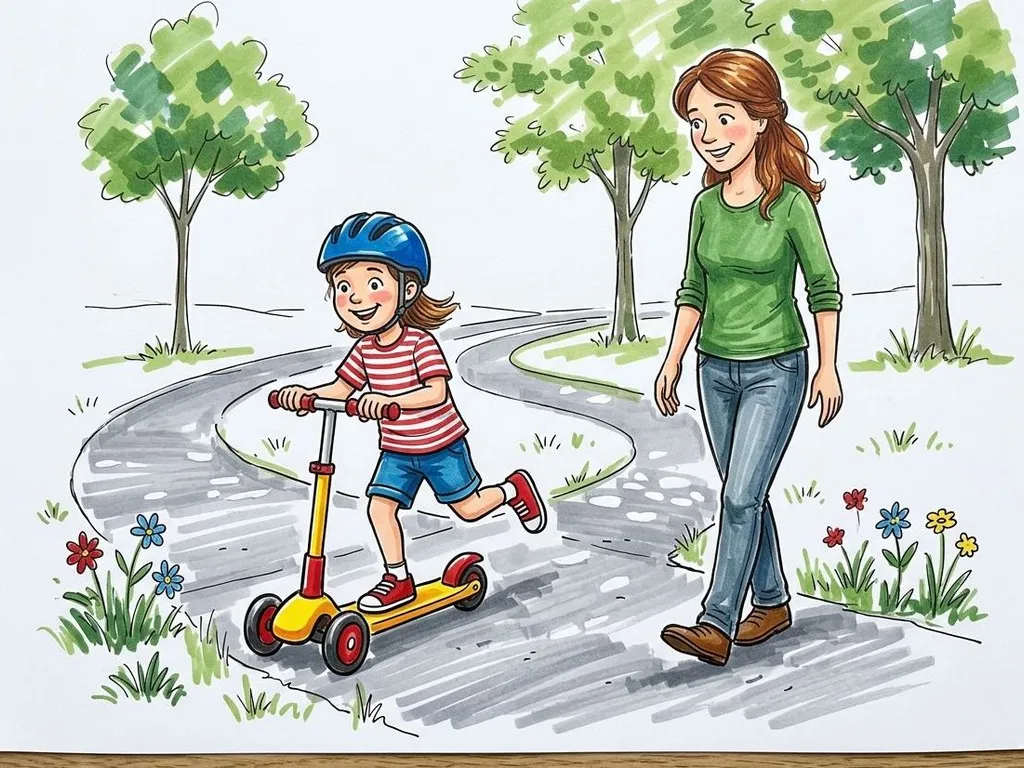
The pattern is person + like, love, or hate + verb-ing: “I like reading,” “They love making music,” and “He hates getting up early.” The first verb agrees with the subject. With he, she, or it, add -s: “She likes painting.”
Questions and negatives use do or does: “Do you like cooking?” and “Does your brother love singing?” Say “We do not like waiting” or “She does not like running.” After does, the preference verb returns to its base form; “She does not likes running” is incorrect.
Gerunds After Like, Love, and Hate: A Practical Guide for Children requires attention to spelling. Most verbs take -ing: read–reading. A final silent e disappears: dance–dancing. Some short verbs double the final consonant: swim–swimming. With lie, change ie to y: lie–lying.
When a Gerund or Infinitive Is Possible
Gerunds After Like, Love, and Hate: A Practical Guide for Children must cover another pattern: like, love, and hate can take either a gerund or a to-infinitive. “I love reading” and “I love to read” are both natural. The difference is often small.
A gerund often expresses a general feeling about an activity. An infinitive can indicate a habit, choice, or specific situation. This tendency is not a rigid rule, and usage varies across English-speaking communities. Children should master frequent patterns before subtle differences.
After would like, would love, or would hate, teach the to-infinitive: “I would love to visit,” not “I would love visiting.” Contrast “I like swimming,” a general preference, with “I would like to swim,” a present wish.
Examples That Fit Different Ages
Children learn through actions they can see and copy. Use pictures or movement with short questions: “Do you like jumping?” “Do you love colouring?” “Do you hate waiting?” Accept one-word answers first, then model a full sentence: “Yes, I like jumping.”
Children can sort activities into three groups: like, love, and do not like, then compare answers with a parent, sibling, or tutor. Across LearnLink lessons, tutors can discuss games, books, animals, food, music, and sport without assuming shared cultural routines.
Older learners can add reasons and contrasts: “I like learning new words because I can use them in games,” or “I love speaking English, but I hate spelling long words.” A multilingual child may compare languages, but should practise the English sentence as a complete unit instead of translating word by word.
Common Mistakes and Simple Fixes
A frequent mistake leaves the second verb unchanged: “I like play football.” The learner may be copying another language or recalling the dictionary form play. Model the full phrase—“I like playing football”—then ask for a new sentence.
Learners may confuse a gerund with the present continuous. In “She loves dancing,” there is no form of be; dancing names the activity. In “She is dancing,” is dancing describes her current action. Place both sentences beside one picture to show the difference.
When reviewing Gerunds After Like, Love, and Hate: A Practical Guide for Children, check the entire verb chain: subject agreement, the correct negative helper, and accurate -ing spelling. Correct “He don’t likes swim” in stages: “He doesn’t,” then “like,” then “swimming.” Separate changes keep the grammar manageable.
Practice at Home or in a Lesson
Short, repeated practice beats one long worksheet. Choose activities relevant to the child and vary the subject and preference: “I love drawing,” “My friends love drawing,” and “My sister loves drawing.” The child practises the gerund and subject–verb agreement together.
For speaking practice, take turns choosing an activity and giving a true sentence. The listener asks one follow-up question: “Why do you like cycling?” A reason such as “because it is fast” turns the drill into a brief exchange while reinforcing the target pattern.
Complete Each Sentence
Write the correct -ing form.
1. I love ________ stories. (write)
2. She likes ________ in the sea. (swim)
3. We hate ________ for a late bus. (wait)
4. He likes ________ his bicycle. (ride)
5. They love ________ board games. (play)
6. My cat hates ________ wet. (get)
Answers: 1. writing; 2. swimming; 3. waiting; 4. riding; 5. playing; 6. getting.
Find and Fix the Mistake
Rewrite each sentence correctly.
1. My brother like making models.
2. I love dance with my friends.
3. She does not likes getting up early.
4. We would love visiting the museum tomorrow.
Answers: 1. My brother likes making models. 2. I love dancing with my friends. 3. She does not like getting up early. 4. We would love to visit the museum tomorrow.
When a word has several meanings or pronunciations, Cambridge Dictionary is a useful check before turning it into child-friendly examples.
Frequently Asked Questions
Must My Child Always Use a Gerund After Like, Love, and Hate?
No. Gerunds After Like, Love, and Hate: A Practical Guide for Children teaches the main pattern for general preferences, but a to-infinitive works in numerous sentences. “I love reading” and “I love to read” are both correct. Teach would like to separately because it expresses a wish or offer: “Would you like to read with us?”
When Should a Child Learn the Word Gerund?
A child can use the pattern before learning its formal name. For school-age kids, “activity word ending in -ing” is enough. From about age 7, gerund can help children discuss grammar and compare patterns. Timing depends on language level and schoolwork, not age alone.
Why Does My Child Say “I Like Play”?
The child may translate from another language, use the verb form in a vocabulary list, or overapply a familiar English pattern. Model: “You like playing.” Then give two more examples: “I like drawing” and “We like cooking.” Repeated exposure to complete phrases builds accurate usage.
Is Hate Too Strong for Young Children?
Hate is standard English, but expresses a strong feeling. Teach children to match words to meaning. “I do not like broccoli” may be more accurate than “I hate broccoli.” Disliking an activity differs from speaking harshly about a person or group.
How Much Practice Does This Grammar Need?
Five minutes can be enough when practice returns several times during the week. Ask two or three questions during play, travel, or a meal, then revisit the pattern later. Mix speaking, reading, and writing, and stop before fatigue. Aim for accurate use in new sentences, not memorisation of a fixed list.
If your child needs steady speaking practice, start small — choose a trial lesson.
Stay updated on our latest tips and resources by following us on Instagram LearnLink.