Homeschooling Worksheets in English
Homeschooling worksheets in english for preschool and kindergarten are short, focused pages for early words, sounds, pencil control, listening, and sentence patterns at home. For young learners, the worksheet is a prompt for talk, play, movement, and a brief adult-led routine. A child aged 4 to 6 may need five to ten minutes on paper, then saying words aloud, finding objects in the room, or drawing one extra example. Older siblings can help as readers, partners, or game leaders.
📥 Homeschooling Worksheets in English: Home Practice Kit
Simple routines, age-fit worksheet ideas, and ready-to-use activities for young English learners
Leave your email — we'll send the PDF to your inbox.No spam — the PDF plus one short reminder. Unsubscribe anytime.
What Families Need to Know
A good worksheet for a young child has one job. It may practise the sound /b/, the words cat and dog, the phrase I see., or matching a picture to a word. When one page teaches letters, grammar, spelling, reading, and handwriting together, children often guess, rush, or lose heart.
Homeschooling worksheets in english for preschool and kindergarten should feel light, not random. Strong pages repeat a small language pattern enough for the child to hear it, say it, and use it. A page with six food pictures can lead to: I like apples, I don’t like carrots, Do you like rice?
For multilingual families, worksheet practice does not need to replace the home language. A parent can explain the task in the strongest family language, then keep target words and short phrases in English. That protects meaning and gives the child English practice.
How to Use Worksheets at Home
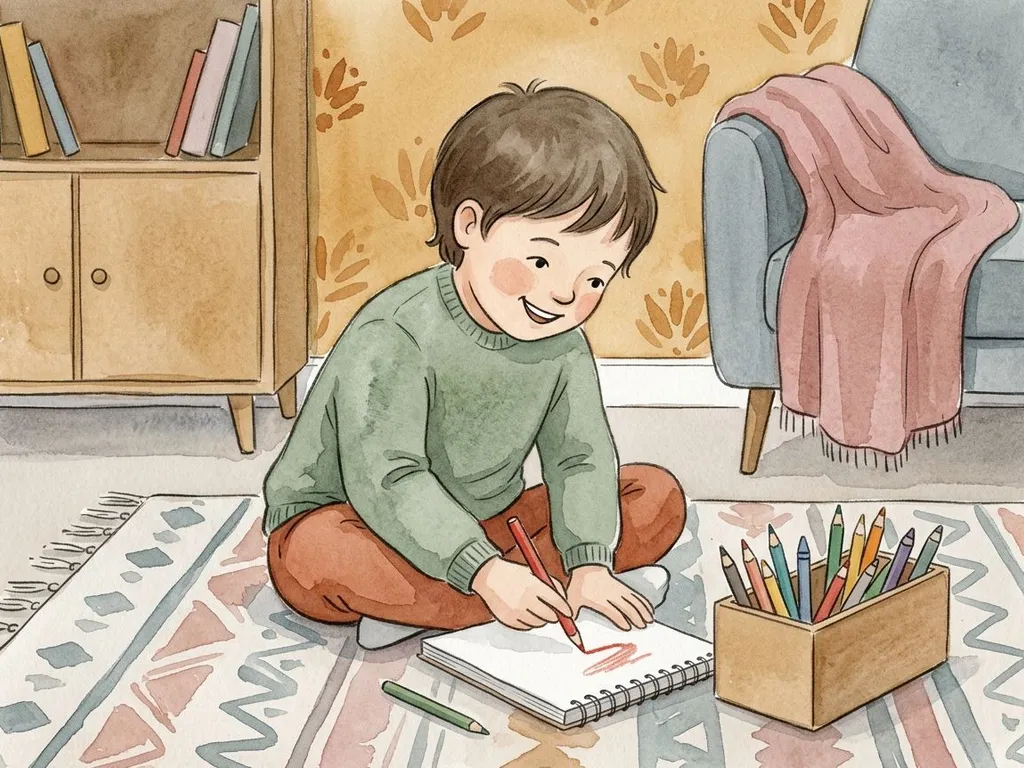
Start with speech before pencil work. Point to pictures, name them together, clap syllables, or ask the child to choose one item. Then trace, circle, match, cut, or colour. Paper work comes after the child understands the task.
Keep the rhythm tight: warm up, finish one small task, say the language again, then stop. Ten calm minutes beat thirty minutes of correction. If your child is tired, let them answer by pointing, choosing, or placing a toy on the right picture. Speech often follows comfort.
They often find busy pages. Choose pages with large pictures, wide spacing, and few written instructions. A child should not need to decode worksheet directions before practising English.
Worksheet Types and When to Use Them
Different worksheet formats support different skills. Matching builds meaning. Tracing supports letter shape and fine motor control. Sorting helps children notice categories: animals, food, colours, or school objects. A short sentence frame moves the child from single words to early speech.
Use the table as a guide when choosing or making a page for home. The same worksheet can return over several days if the oral task changes.
For children already reading in another language, English letters may look familiar but sound different. Give extra time for sound-letter links, especially vowels. The aim is accurate noticing and steady use, not speed.
Examples by Age
For ages 4 to 5, choose pages with pictures, colours, and physical action. A strong page might ask the child to colour the big dog, circle the small cat, or draw one more apple. Read every word aloud. At this age, the adult’s voice is part of the worksheet.
For ages 6 to 8, add short phrases and choices. Children can match I can jump to a picture, sort clothes by weather, or complete This is my.. Homeschooling worksheets in english for preschool and kindergarten can still help a 7-year-old beginner if the language is new, but pictures and tasks should not feel babyish.
For ages 9 to 15 who start English later or help younger siblings, use the same theme with a more mature task. A teen can write three true sentences about a family routine, make mini vocabulary for a younger child, or turn a picture page into a speaking game.
Practical Activities Around One Worksheet
A worksheet becomes stronger when it leads to action. If the page shows animals, place toy animals or drawings on the table. Ask the child to point, move, hide, and name them. If the page practises colours, send the child to find one blue object and one green object in the room.
Across LearnLink lessons, our tutors often keep paper tasks short and build talk around them. A child may trace three words, then use those words in a game, a choice, or a short answer. Young learners remember English through use, not only through print.
Homeschooling worksheets in english for preschool and kindergarten work best when parents treat them as a shared task. Sit beside your child, not across like an examiner. Read the first example together, let the child try the next one, and praise thinking: checking the picture, listening again, or self-correcting.
Try This: One Page, Three Uses
Choose a worksheet with six picture words. First, name each picture together. Second, ask your child to cover one picture and say what is missing. Third, invite your child to draw one more item and teach you the English word. Stop while the task still feels easy.
Common Mistakes to Avoid
The first mistake is using worksheets as silent work for a child who cannot yet read English. Preschool and kindergarten learners need to hear the word, see the picture, and connect both to action. If the child only colours without hearing or saying the language, the English gain is small.
The second mistake is correcting every error at once. Pick one focus. If today’s page is about animal words, do not demand pencil grip, spelling, and full sentence grammar too. Model the correct phrase gently: the child says dog brown, and you answer, Yes, a brown dog.
The third mistake is choosing pages below the child’s life experience. A 10-year-old beginner may need basic English, but not baby topics all day. Use maps, sports, hobbies, science pictures, recipes, or family routines. English can stay accessible while the content respects the child’s age.
For the child-development context behind this advice, American Academy of Pediatrics gives a broader reference point for parents.
Frequently Asked Questions
How Many Worksheets Should My Child Do in One Day?
For a 4- to 6-year-old, one short worksheet is usually enough if it includes speaking before and after the paper task. Older beginners may manage two pages when each page has a clear purpose. Stop before your child becomes tense or careless. Regular small practice works better than a long stack on one day.
Can I Use Homeschooling Worksheets in English for Preschool and Kindergarten If I Am Not a Native Speaker?
Yes. Use clear audio when possible, say the words slowly, and keep the task focused. You do not need perfect pronunciation to support attention, routine, and meaning. If you are unsure, choose worksheets with common words and short phrases, then let your child hear the same language in songs, stories, or a tutor-led lesson.
Should My Child Write English Letters Before They Can Speak?
Speaking and listening should come first, especially for preschool children. Tracing letters can help hand control and letter awareness, but it should not replace oral practice. A child who can say red ball, point to it, and use it in a game is building a stronger base than a child who only copies letters silently.
What If My Child Already Speaks Two Languages?
That can be an advantage. Multilingual children often understand that one idea can have more than one word. Keep the home languages strong and use English in small moments. You can compare words briefly, but do not turn every task into translation. Let English live through pictures, movement, stories, and play.
How Do I Know a Worksheet Is Too Hard?
A worksheet is too hard if your child cannot start without repeated explanation, guesses every answer, or becomes upset quickly. Make it easier by doing the first item together, reducing the number of questions, or changing writing into pointing. The right page gives a small challenge, not a struggle.
If your child needs steady speaking practice, start small — choose a trial lesson.
Stay updated on our latest tips and resources by following us on Instagram LearnLink.