Teach Your Child to Speak English
Children learn to speak English fastest through short, daily, playful practice — roughly 15 minutes a day does more than one long lesson each weekend. That single habit, repeated, is the engine behind almost every bilingual child. This is what How to Teach Your Child to Speak English: A Practical Guide for Families is built around: small routines, real talk, and patience instead of pressure. You do not need perfect English yourself, and you do not need to buy expensive materials. What you need is a steady rhythm, a few simple games, and the confidence to let your child make mistakes out loud.
📥 Teach Your Child to Speak English
Home speaking practice with everyday phrases, short tasks, and a weekly tracker
Leave your email — we'll send the PDF to your inbox.No spam — the PDF plus one short reminder. Unsubscribe anytime.
What Families Need to Know First
Speaking is a skill, not a test. A child who hears English, sings it, and answers back in short phrases is already succeeding, even when the grammar wobbles. Comprehension always runs ahead of speech, so expect your child to understand far more than they can say for the first several months.
Frequency beats length. Ten focused minutes every day builds stronger habits than a two-hour push on Sunday. The point of How to Teach Your Child to Speak English: A Practical Guide for Families is to make English a normal part of ordinary days — breakfast, the car, bath time — rather than a subject with a start and stop bell.
Motivation is fragile in young learners. Keep the tone warm, praise effort over accuracy, and stop while your child still wants more. A short, happy session that ends on a high note is worth far more than a long one that ends in tears.
How to Use This at Home
Pick anchor moments and attach English to them. Name breakfast foods in English, count stairs on the way up, and say goodnight in English every single night. Because these moments already repeat, the words stick without extra effort from anyone.
Narrate what you do. "I'm cutting the apple. Here is your red cup." This gives your child language tied to real objects and actions, which is exactly how they learned their first language. If a word escapes you, look it up together — searching for it out loud models curiosity.
Read aloud daily, even for two minutes. Point at pictures, ask "What's this?" and accept one-word answers. Picture books carry natural, repeated sentence patterns that children absorb and start reusing on their own.
Age-appropriate Examples
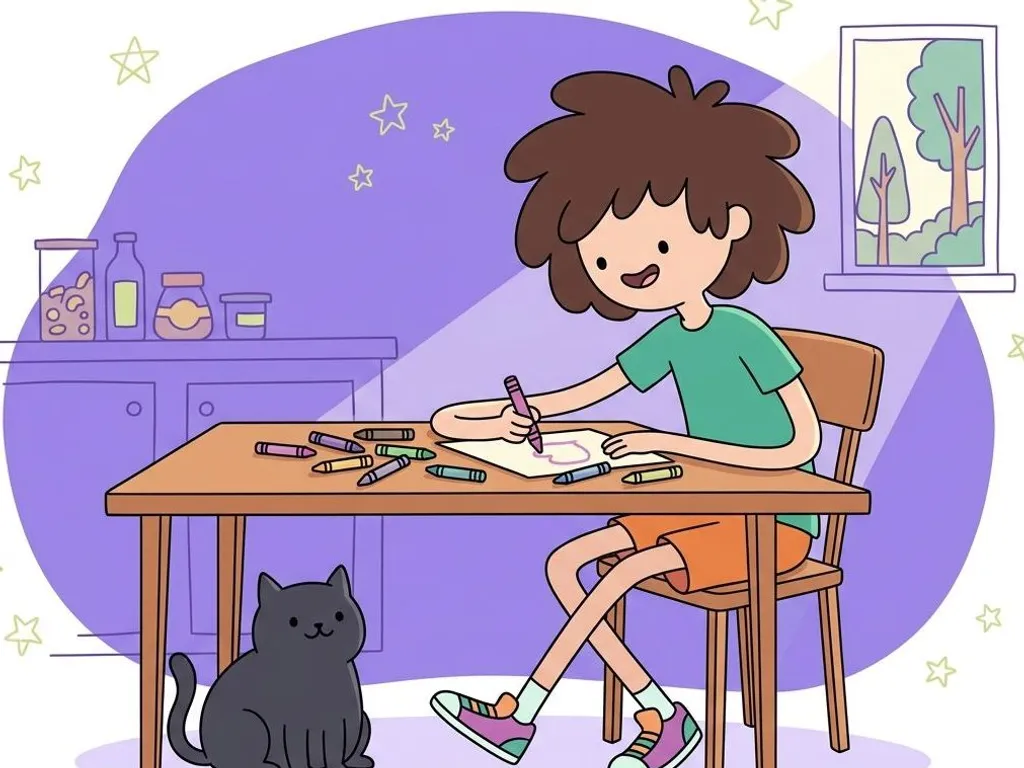
For school-age kids, keep it physical and musical. Sing "Head, Shoulders, Knees and Toes," play "Simon says," and label toys. At this age, movement and rhythm lock words into memory better than any worksheet.
For school-age kids, add small purposes: a shopping list in English, a two-line diary, or describing a favorite cartoon in three sentences. Children this age enjoy showing what they can do, so give them a tiny audience — a grandparent on a video call works well.
For school-age kids, connect English to what they already love. Gaming, football, music, and short videos give older kids real reasons to speak. Ask opinion questions — "Why do you like that team?" — and let the conversation run, correcting almost nothing in the moment.
Two Paths: Immersion at Home vs. Guided Lessons
Most families end up mixing both. Home immersion keeps English constant and cheap; guided lessons add structure, feedback, and a real conversation partner. As of 2026, more than 4,000 families across 100+ countries pair everyday home practice with 1-on-1 tutoring, and the two support each other rather than compete.
Data current as of July 2026.
The framework in How to Teach Your Child to Speak English: A Practical Guide for Families leans on the third row: light daily habits at home, plus regular one-to-one speaking time with a tutor who keeps things moving.
Simple Activities That Get Kids Talking
Play "I spy" with English colors and objects on any car ride. Run a two-minute "kitchen menu," where your child names three foods and asks for one. Record a short voice message in English for a relative — kids repeat lines happily when there is a real listener.
Use a small object bag: your child pulls out an item, names it, and makes one sentence about it. Rotate the items weekly so the vocabulary grows without feeling like study.
Five-minute Daily Speaking Routine
1) Greet in English: "Good morning, how are you?" 2) Name three things you can see right now. 3) Ask your child one question they must answer in a full sentence. 4) Sing or say one short rhyme together. 5) End with a high-five and one word of praise. Do this at the same time each day for two weeks and watch the sentences get longer.
Handle Mistakes and Mixed Languages Calmly
Mixing two languages in one sentence is normal and temporary. Your child is testing which words belong where, not falling behind. Reply naturally in full English rather than pointing out the switch, and the mixing fades as their English vocabulary grows.
Correct gently by echoing the right version. If your child says "I goed to park," you answer "Oh, you went to the park? What did you see?" This models the correct form and keeps the conversation alive, which matters far more than the fix.
- Try one English bedtime story tonight, even just three pages.
- Praise your child's effort, not correctness, every single session.
- Use simple English phrases at meals: "Please pass the bread."
- Pick one cartoon in English and watch it together three times weekly.
- Note one new word your child says correctly and celebrate it aloud.
When a word has several meanings or pronunciations, Cambridge Dictionary is a useful check before turning it into child-friendly examples.
Frequently Asked Questions
How Much English Should We Do Each Day?
Aim for 10–20 minutes of active English daily, plus any passive listening like songs in the background. Consistency is the whole game — a small amount every day builds faster speaking than a long weekend block. Following How to Teach Your Child to Speak English: A Practical Guide for Families, most families start with two short slots, one at breakfast and one at bedtime, then add a third when the routine feels easy.
My Own English Isn't Strong. Can I Still Help?
Yes. You can learn alongside your child, and doing so shows them that mistakes are part of learning. Use simple phrases you know well, lean on songs, picture books, and short videos for the words you lack, and let a tutor handle pronunciation and grammar. Your job is to keep English present and positive, not to be a perfect model.
When Should My Child Start Speaking, Not Just Listening?
Speech usually follows a "silent period" that can last weeks or months, especially for younger children. Do not push. Keep offering words, accept nods and single words as answers, and celebrate the first short phrases warmly. Pressure delays speaking; a relaxed, playful home speeds it up.
Are Apps Enough on Their Own?
Apps and videos build listening and vocabulary, but they rarely produce confident speaking because a screen cannot respond to what your child actually says. Pair them with real conversation — with you, a sibling, or a tutor. The speaking muscle grows only when your child talks and someone answers back.
How Do I Keep an Older Child Motivated?
Tie English to their real interests and give them ownership. Let a 12-year-old choose the topic, the show, or the game you talk about. Set tiny, visible goals — one video understood, one message written — and avoid comparing them to siblings or classmates. Older kids stay motivated when English feels like theirs, not homework handed down.
Want to see how these ideas work in a real lesson — try a free LearnLink lesson.
Stay updated on our latest tips and resources by following us on Instagram LearnLink.