How to Learn English for Children
Children learn English through accurate speech, frequent copying, and small real tasks before grammar drills. For parents asking how to learn english for children, pronunciation gives a strong start: clear speech strengthens listening, reading aloud, spelling, and classroom confidence. Children need not sound “native.” Aim for clear speech, courage, and sharp ears for close pairs: ship and sheep, three and tree, cat and cut.
Start with Listening Before Correction
Young learners need safe English audio before accurate production. A 5-year-old may copy rhythm first: “Where is my bag?” with the right tune, though one sound stays unclear. An older child may catch details faster, such as the long vowel in green or the soft ending in fish.
At home, keep listening short and regular. Play 5 minutes of a story, song, or lesson recording, then ask your child to repeat one phrase. That beats stopping after every sentence. When we plan how to learn english for children across LearnLink lessons, we watch for steady pronunciation habits, not perfect accent work on day one.
Teach Mouth Position in Simple Words
Pronunciation improves when children know how lips, tongue, teeth, and voice work. Use plain cues. For /p/ in pen, close lips and release a small air puff. For /v/ in van, touch top teeth to lower lip and keep voice buzzing.
The /th/ sound often needs extra care. For thin, the tongue sits lightly between teeth while air moves out. For this, tongue position stays similar, but voice switches on. Children often replace these consonants with t, d, s, or z. Practise slowly with pairs: thin-tin, three-tree, this-dis, then-den.
Use Rhythm, Not Isolated Pronunciation Only
English speech does not move word by word like a list. Key words carry weight; function words shrink. In “I want a glass of water,” want, glass, and water usually carry stronger stress. Children who learn this rhythm sound more natural, even when one pronunciation point still needs work.
Clapping helps. Say, “I LIKE red CARS,” and clap on like and cars. Then shift meaning: “I like RED cars.” Older children can mark strong words with a pencil before reading aloud. This supports how to learn english for children because pronunciation joins real speech, not isolated drills.
Practice: Clap the Strong Words
Read each sentence aloud and clap on the main meaning words: 1. I want a blue kite. 2. She can ride a bike. 3. We are going to the park. 4. My brother likes apples. Then read again faster, keeping the claps in the same places.
Compare British and American Pronunciation Calmly

Children meet English accents online, in games, at school, and in lessons. British and American pronunciation both make sense. Children need not choose one forever. The main goal: understand both and speak steadily.
Accent differences often stand out. In many American accents, r sounds in car and teacher. In many British accents, r stays silent unless a vowel follows. Vocabulary may also change, such as biscuit and cookie, but that is not pronunciation. For how to learn english for children, teach children to notice differences without calling one form “wrong.”
Make Tongue Twisters Useful, Not Silly Only
Tongue twisters help when they train one target at a time. Fast speech too early causes guessing. Start slowly, use the right mouth shape, then build speed. A 6-year-old may need two lines. A 12-year-old can handle a longer challenge and explain which part feels hard.
Choose tongue twisters by target. For /s/ and /ʃ/, try “She sees six ships.” For /w/ and /v/, try “We visit very wet woods.” For /r/ and /l/, try “Red lorries roll along.” Keep the mood light. If your child laughs and tries again, practice works.
Practice: Slow, Clear, Faster
Choose one line: “Three thin thieves thought carefully,” “She sees six shiny shells,” or “Red robots roll round the room.” Say it once slowly, once with a steady beat, and once a little faster. Stop before the words become messy.
Link Pronunciation with Reading and Spelling
English spelling can hide pronunciation patterns. Children may read said, island, or enough and feel cheated by the word. Lower stress by saying, “This word has a tricky spelling. Let us learn its pronunciation as a whole.” That sounds honest and practical.
For early readers, group words by vowel pattern: play, day, rain, train. Show exceptions later. For older children, use a small notebook with three columns: word, pronunciation clue, sentence. This makes how to learn english for children concrete because children see progress in words they meet again.
Build a Weekly Pronunciation Routine
A strong routine stays short, varied, and repeatable. Ten minutes three or four times a week can beat one long session ending in tired speech. Use listening, mouth position, a phrase, and a small speaking task.
Plan the week: Monday, listen and repeat three phrases. Tuesday, practise one pronunciation pair, such as ship and sheep. Wednesday, read four lines aloud with strong words marked. Thursday, use the phrases in a role-play, such as ordering food or asking for a toy. Friday, record one sentence and compare it with last week’s recording.
Practice: Hear the Difference
Ask your child to point to the word they hear: ship or sheep, pen or Ben, fan or van, three or tree, cat or cut. Then swap roles. Your child says the word, and you point. This gives them control and keeps the task friendly.
How LearnLink Tutors Support Clear Speech
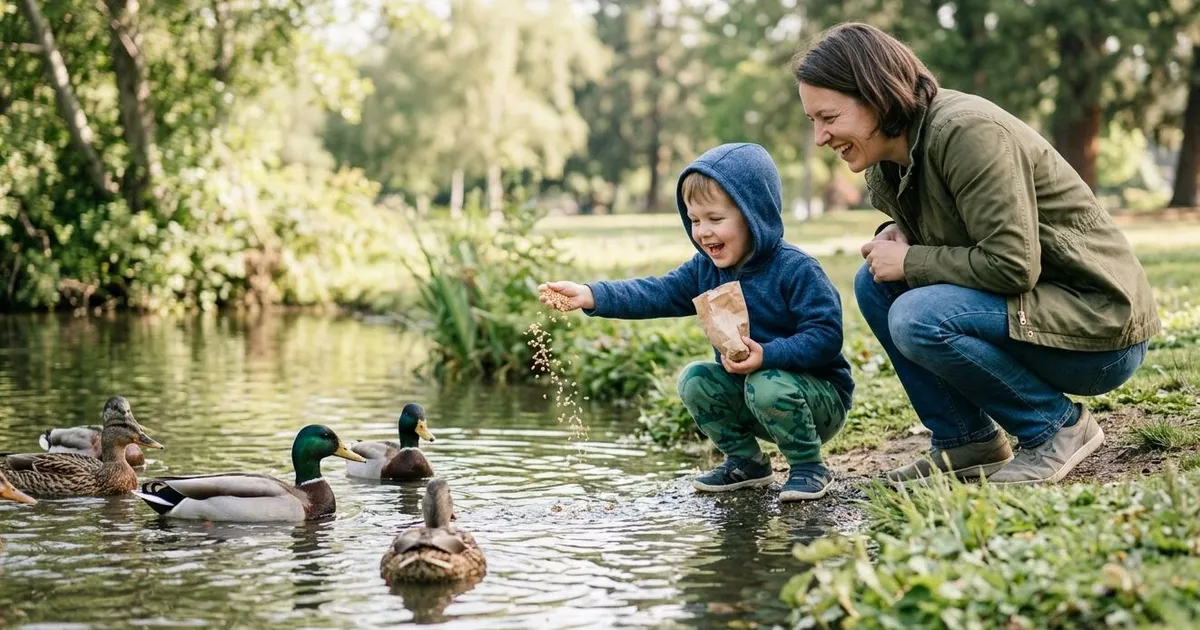
In one-to-one lessons for children aged 4-15, our tutors hear each child’s attempt and adjust the task at once. A younger child may need picture-card games and short phrases. A teenager may need sentence stress, school presentation language, or words from a hobby.
Across LearnLink lessons, pronunciation stays part of communication, not a separate test. A tutor may model the target sound, show mouth position, ask the child to repeat within a phrase, then move into a real question. Practice stays practical. It also fits how to learn english for children when a family wants support without pressure or exam promises.
When a word has several meanings or pronunciations, Cambridge Dictionary is a useful check before turning it into child-friendly examples.
Frequently Asked Questions
What Is the Best Age to Start English Pronunciation Practice?
Children can start hearing and copying English pronunciation from the preschool years, but method must fit age. A 4- or 5-year-old needs songs, short phrases, movement, and games. An older child can use pronunciation charts, reading aloud, and recordings. Full reading skills are not required before listening and speech work.
Should My Child Learn British or American Pronunciation?
Choose the model your child hears most in lessons, school, or family life, then help them understand other accents too. British and American pronunciation are both normal English forms. Understandable speech matters more than every accent detail. If your child says water in one style and teacher in another, correct only when understanding breaks.
How Much Pronunciation Correction Is Helpful?
Correct one target at a time. Too much correction can make a child speak less. If the lesson focus is /th/, guide three, thin, and this, but let small errors in other pronunciation areas pass briefly. This rule matters in how to learn english for children: protect confidence while building accuracy step by step.
Can Online Lessons Help with English Sounds?
Yes, when the lesson stays interactive and the tutor listens closely. Online lessons can support pronunciation practice through modelling, repetition, reading aloud, games, and short speaking tasks. A headset and a quiet room help. For younger children, parents can stay nearby at first, then step back as the child learns the routine. This gives families another clear route for how to learn english for children at home.
A short one-to-one lesson can show what level and pace fit your child — book a free English lesson.
Stay updated on our latest tips and resources by following us on Instagram LearnLink.