How to Pronounce Words: A Word List for Kids
Children's pronunciation means hearing a word, copying its sound pattern, then using it in speech without fear over small mistakes. A structured English learning plan for how words are pronounced for kids begins with short words: names, family, food, colors, classroom words, feelings. Children need a calm adult voice, repeatable models, and real speaking chances before long phonics explanations. This parent guide gives a word list, pronunciation rules, and lesson-style practice ideas for children from early primary age through teenage years.
Why Pronunciation Matters Before Spelling
Children often meet English first through screen words or workbook words. That helps, but English spelling often hides pronunciation. A child may see one and expect a rhyme with stone. They may read said like paid. This is normal, not careless.
When teaching how words are pronounced for kids, start with the ear. Your child hears the whole word, then the stressed part, then word parts. For example, banana gets easier with rhythm: buh-NA-nuh. Elephant becomes EL-uh-funt, not four equal beats.
For multilingual children, pronunciation stays practical. A child who speaks Spanish, Hebrew, French, Italian, German, Arabic, or another home language already has listening and speaking skills. The task is not accent erasure. Help your child notice which English sounds feel new, match a home-language pattern, or need slow practice.
A Core Word List with Child-Friendly Pronunciation
Use this list as a starting set, not a test. Say each word naturally first, then slowly. Ask your child to repeat once or twice, then move into a phrase. Words stick inside small scenes: my red bag, three apples, good night.
This guide uses “sound spelling” for parents. It is not the International Phonetic Alphabet. It is a home tool for how words are pronounced for kids, especially when an adult helps between lessons.
How to Teach Pronunciation Without Making It Overwhelming
Young children learn pronunciation through short bursts. A younger learner may handle three words, a song line, and a game. An older child can compare vowel patterns. A teenager may want a reason: “This pronunciation changes the meaning,” or “This stress helps people understand you.”
Keep correction light. If your child says sink for think, repeat the right word inside a kind sentence: “Yes, I think so.” Practise only while your child stays open. Too much correction can make children speak less.
Across LearnLink lessons, tutors use listening, modelling, and guided speaking before asking children to read aloud. A child hears the target word in a phrase, says it with support, and uses it in a question, answer, or short game. This order suits how words are pronounced for kids because pronunciation connects with meaning.
Common English Pronunciation Features Children Find Tricky
Some English pronunciation features cause trouble because they may not exist in a child’s home language, or because two English spellings sound alike. Parents can choose patient practice targets without becoming speech specialists.
The th pattern in think and mother often feels new. Show the tongue gently between teeth, then blow air for think. For mother, add voice so the sound feels softer. Do not demand perfection on day one. Clearer speech grows through small tries.
Short and long vowel pairs need care: ship and sheep, sit and seat, full and fool. Use pictures or actions so your child hears meaning, not noise. “Point to the ship. Now point to the sheep.” This makes how words are pronounced for kids feel like a listening game rather than a drill.
Age-by-Age Practice at Home
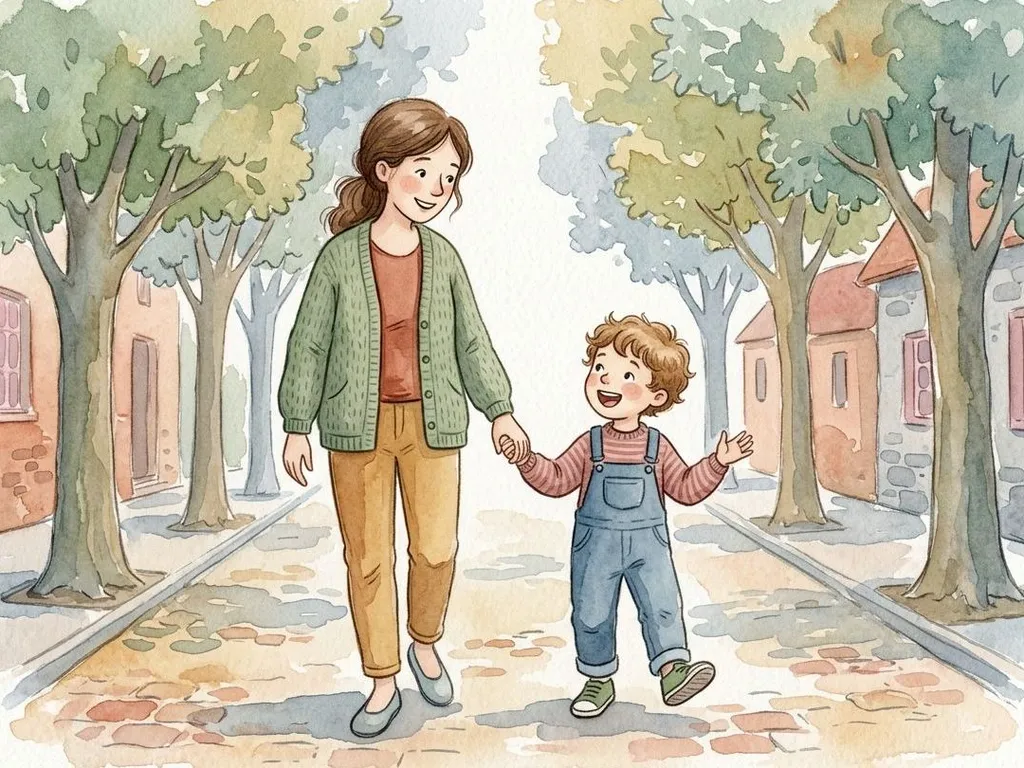
For school-age kids, use movement. Say jump, then jump. Say sleep, then pretend to sleep. Children copy tone, rhythm, and gesture before they can explain pronunciation rules. Tie words to daily life: shoes, spoon, bed, wash, red, big, small.
For school-age kids, add sorting. Put words into pronunciation groups: cat, bag, apple for short a; green, three, sleep for long ee. Ask your child to find one more word in the room, in a book, or in a lesson chat. This builds attention without turning practice into a spelling test.
For school-age kids, use comparison and recording. Older children can hear a short model, record themselves, and notice one target: word stress, final consonants, or vowel length. They should not chase a “perfect native accent.” The goal is clear, confident English other speakers understand. For rhythm practice, English syllables for kids help children hear word parts before longer sentences.
Practice: Listen, Tap, Say
Choose five words from the table. Say each word once while your child listens. Then tap the syllables together: ba-NA-na, three taps. Your child repeats the word, then says it in a short phrase. End with one “choice round”: “Do you want milk or water?” This turns pronunciation into real speech.
From Single Words to Clear Sentences
A child may pronounce a word well alone but lose it inside a sentence. English stress and weak forms cause this. In I want a banana, strong words usually are want and banana. The small word a becomes quick and light.
Practise in three steps: word, phrase, sentence. For example: yellow, yellow pencil, I have a yellow pencil. Then change one part: I have a blue pencil. This pattern gives children control without forcing a whole sentence from nothing. It also keeps how words are pronounced for kids tied to meaning.
For online learners, microphones and headphones can help, but turn-taking matters most. A tutor or parent says a short model, the child answers, and the adult listens for one focus point. Fixing every pronunciation detail in every sentence makes speaking feel unsafe.
How Parents Can Support Pronunciation Between Lessons
Short daily practice works better than one long weekly session. Five minutes after breakfast, in the car, or before bedtime can be enough. Choose three new words and two review words. Say them, use them, then stop while your child still feels successful.
When parents ask about how words are pronounced for kids, the answer is not a huge rule list. Use a repeatable routine: hear it, say it, use it, hear it again tomorrow. Children need spaced word contact. A word met once is a visitor; a word used often becomes part of your child’s speech.
Keep home practice warm and low-pressure. Praise effort in specific terms: “You remembered the final consonant in milk,” or “Your green was clear today.” Specific praise tells your child what worked.
- Read one rhyming picture book aloud with your child for ten minutes.
- Practice five tricky words daily using a mirror and slow mouth movements.
- Record one sentence together, then compare how words are pronounced for kids.
- Use clapping to mark syllables in three new vocabulary words today.
- Repeat lesson words during snack time, praising clear effort before accuracy.
For the rule wording, British Council LearnEnglish Kids is a useful reference while the practice examples here stay adapted for children.
Frequently Asked Questions
Should My Child Learn Phonics or Pronunciation First?
They can grow together, but pronunciation should come first when a word is new. A child needs to hear and say school before spelling rules make sense. Phonics then helps the child connect sounds with letters. For beginners, the best order is listen, repeat, use the word, then look at spelling. That order also matches how words are pronounced for kids in real conversations.
How Can I Help If I Am Not Sure of My Own English Pronunciation?
Use short audio models from a trusted dictionary or from your child’s lesson materials, then practise together. You do not need to pretend you know every pronunciation detail. Say, “Let’s listen and copy.” This models healthy learning and helps multilingual children see adults check pronunciation too. It keeps how words are pronounced for kids honest and calm.
Is an Accent a Problem for Children Learning English?
An accent is not a problem by itself. Many clear English speakers have different accents. The goal is that your child can be understood and can understand others. Work on contrasts that change meaning, such as ship and sheep, and on final consonants in words like milk, desk, and friend.
How Often Should We Practise How Words Are Pronounced for Kids?
Practise for five to ten minutes, four or five times a week, if your family schedule allows it. Keep the set small. Review old words before adding new ones. For how words are pronounced for kids, steady repetition matters more than long sessions. Stop before your child gets tired or cross.
Start your child's English journey today — book a trial lesson with LearnLink.
Stay updated on our latest tips and resources by following us on Instagram LearnLink.