Learn Days of the Week Vocabulary for Kids

The seven days of the week are Monday, Tuesday, Wednesday, Thursday, Friday, Saturday, and Sunday. Children learn them faster when each word connects to routines. This guide helps families learn days of the week vocabulary for kids through clear language, movement, stories, and home practice. A beginner may name today and tomorrow. An older child may use days in sentences, questions, and plans. Keep practice short across the week, so the words become part of family life, not a list.
Data current as of July 2026.
📥 Days of the Week Practice Pack
Learn, say, and use the seven days in simple sentences.
Leave your email — we'll send the PDF to your inbox.No spam — the PDF plus one short reminder. Unsubscribe anytime.
What Families Need to Know
Days of the week are time words, not object words. A child can point to a red cup or a dog, but a weekday name is abstract. Pictures are not enough. Children need a calendar, a routine, and repeated phrases such as “Today is Tuesday” or “We have swimming before the weekend.”
When families learn days of the week vocabulary for kids, start with recognition. Can your child hear “Saturday” and know it is a weekend day? Then build use. Can your child say, “My lesson is on Wednesday”? Older children can add before, after, yesterday, today, and tomorrow.
Do not rush spelling at the start. Spoken rhythm comes first: Mon-day, Tues-day, Wednes-day. Some day names do not sound the way they look, especially Wednesday. A calm correction works better than a long spelling lesson.
The Core Words and Useful Phrases
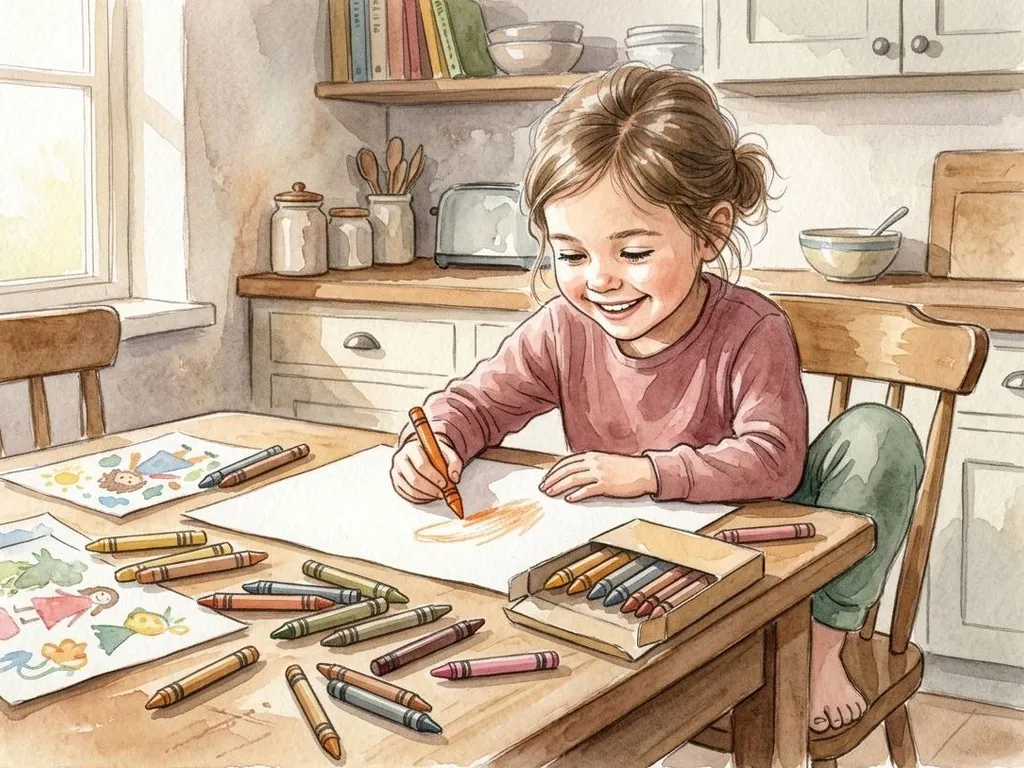
Start with the seven day names in order. Say them slowly, clap the rhythm, then use a normal voice. Children often learn the sequence as a chant before they understand each word. That first step helps when you learn days of the week vocabulary for kids.
After the seven words, add chunks: on Monday, every end-of-week school day, next Sunday, last Tuesday. These chunks help children speak in sentences and keep the lesson from becoming recitation.
How to Use This at Home
Use one clear calendar: paper, magnetic, or wall planner. Point to the day as you say it. Then connect it to one real event: “Today is Thursday. You have music today.” This gives the word a place in your child’s mind.
A strong home routine for learn days of the week vocabulary for kids is the three-question check: “What day is it today?” “What day was yesterday?” “What day is tomorrow?” Keep it quick. If your child is unsure, answer together and move on.
For bilingual or multilingual families, compare languages briefly: “In English, we say Monday. In Spanish, you know lunes.” Then return to English for the practice sentence. This respects known language without turning practice into a translation test.
Five-Minute Calendar Practice
Ask your child to place a small sticker on today’s date. Say the full sentence together: “Today is Wednesday.” Then ask your child to choose one activity and say, “I have football on Saturday” or “We visit Grandma on Sunday.” Repeat once a day for one week.
Examples by Age
Pre-school and early school-age children need movement, pictures, and short phrases. Try “Stand up on the first weekday,” “Clap on Tuesday,” or “Jump on the final school day.” The body helps memory while the child hears the word.
Primary school children can use sentence frames: “I go to school on the first day,” “My English lesson is on Thursday,” “Saturday comes after the day before the weekend.” They can sort cards into school days and weekend days, though family routines differ across countries and faith traditions.
Teenage learners may know the words but still make grammar errors. Work on questions and planning language: “What are you doing on Wednesday?” “The test is at the end of the week.” “I was absent earlier this week.” For this age group, learn days of the week vocabulary for kids should feel practical, not babyish.
Common Mistakes to Watch For
The main mistake is missing “on.” In English, we say “on Monday,” not “in Monday.” A brief correction is enough: child says, “I play tennis at the weekend”; adult replies, “Yes, you play tennis on Saturday.”
Another mistake is confusing Tuesday and Thursday. They start with a similar sound for learners. Put them far apart in early practice. Use Tuesday for reading and Thursday for drawing, with different calendar colors.
Children may know the chant but not the meaning. If your child can sing all seven days but cannot answer “What comes after Wednesday?”, slow down. Ask order questions, use the calendar, and connect each day to a real family event.
Practical Activities That Work
Build practice into ordinary life. At breakfast, name today. Before bedtime, name tomorrow. Before a lesson, sport, or family call, say the day aloud. Short repeats across the week beat one long Sunday session.
For a playful task, make seven cards and let your child arrange them in order. Then remove one card and ask, “What is missing?” Younger children can match cards to pictures. Older children can write three true sentences about their week.
To learn days of the week vocabulary for kids with more speaking, use a weekly interview. Ask, “What do you like doing on Saturday?” “Which day is busy?” “Which day is quiet?” Personal answers give children a reason to use the words.
Day Detective Game
Say three clues: “It comes after the first weekday. It starts with T. We have English that day.” Your child guesses “Tuesday.” Then switch roles and let your child give the clues. This builds listening, word order, and confidence.
How LearnLink Lessons Support This Vocabulary
Across LearnLink lessons, tutors use days of the week in warm-ups, planning, reading tasks, and speaking practice. A child may begin with “Today is the fifth weekday” and later move to “I had basketball last Friday, and next week I will visit my cousin on the same day.”
In 1-on-1 lessons for ages 4-15, tutors adjust the level quickly. A young beginner may use cards and chants. A confident school-age learner may plan a weekly timetable. A teenager may practise natural questions about schedules, hobbies, and schoolwork.
For families trying to learn days of the week vocabulary for kids at home, lessons give structure. Home practice stays short and familiar, while the tutor checks pronunciation, sentence use, and whether the child can answer without guessing.
When a word has several meanings or pronunciations, Cambridge Dictionary is a useful check before turning it into child-friendly examples.
Frequently Asked Questions
What Is the Best Order to Teach the Days of the Week?
Teach the days in normal order first: Monday, Tuesday, Wednesday, Thursday, Friday, Saturday, Sunday. Then practise today, yesterday, and tomorrow. Some families start with Sunday because their calendar does, but for English practice, consistency and real routines matter more than layout.
How Long Does It Take a Child to Learn the Day Names?
Children can often chant the seven day names after a few short practices, but correct use takes longer. Aim for two weeks of light daily practice. To learn days of the week vocabulary for kids well, check whether your child can answer questions, use “on,” and talk about real plans.
Should My Child Write the Days or Only Say Them?
For younger learners, speaking and recognition come first. Writing can wait until the child is ready for letters and spelling. Older school-age children can copy the words, label a calendar, and write short sentences. Watch Wednesday carefully because its spelling often surprises learners.
What If My Child Mixes up the Days in Two Languages?
This is normal in multilingual homes and is not failure. Briefly connect the known word to the English word, then practise the English phrase in context. LearnLink supports children ages 4-15 and works with 4,000+ families, so practice can stay age-appropriate while the goal remains clear: confident sentences about real routines.
Want to see how these ideas work in a real lesson — try a free LearnLink lesson.
Stay updated on our latest tips and resources by following us on Instagram LearnLink.