Pre-A1 English Family Vocabulary for Kids

Pre-A1 English Family Vocabulary for Kids: Words and Activities starts with family names, then builds sentences such as “This is my sister” and “I have two cousins.” Children need key words, pictures, and repeated sentence patterns. Begin with people in your child’s life, then introduce other terms through games, photos, drawings, and short conversations. The lessons suit different family structures and children who use two or more languages.
📥 My Family English Practice Pack
Read, speak, write, and practise useful family words.
Leave your email — we'll send the PDF to your inbox.No spam — the PDF plus one short reminder. Unsubscribe anytime.
Core Family Words and Phrases
Start with six to eight words linked to familiar people. Add terms after your child recognises the first group. This set covers close and extended family without assuming one household structure:
- family
- mother, mum, mom
- father, dad
- parent, parents
- sister, brother, sibling
- baby, child, children
- grandmother, grandma
- grandfather, grandpa
- grandparents
- aunt, uncle, cousin
- son, daughter
- stepmother, stepfather, stepsister, stepbrother
- pet
Pre-A1 English Family Vocabulary for Kids: Words and Activities pairs these nouns with reusable chunks: my family, my parents, This is my…, His name is…, Her name is…, I have…, and Who is this? Teach mum and mom as regional forms. Your child can use the version heard at school while recognising both.
Using Family Words in Context
Words gain meaning through speech. Point to a photo or drawing and model: “This is my grandfather.” Your child repeats it, changes one word, or answers a question. Keep the grammar frame steady while changing the family term. A fixed frame reduces memory demands and highlights the pattern.
Use Pre-A1 English Family Vocabulary for Kids: Words and Activities in exchanges such as these:
- “Who is this?” “This is my aunt.”
- “Who are they?” “They are my grandparents.”
- “Do you have a brother?” “Yes, I do.”
- “How many cousins do you have?” “I have three cousins.”
- “What is your sister’s name?” “Her name is Lea.”
- “Is this your dad?” “No, this is my uncle.”
- “Tell me about your family.” “I live with my mum and my brother.”
Children need not share private information. They can describe an invented family, toys, animals, or book characters. Some cultures use auntie and uncle for close family friends. Accept the child’s relationships, then help express them accurately in English.
Activities for Different Ages
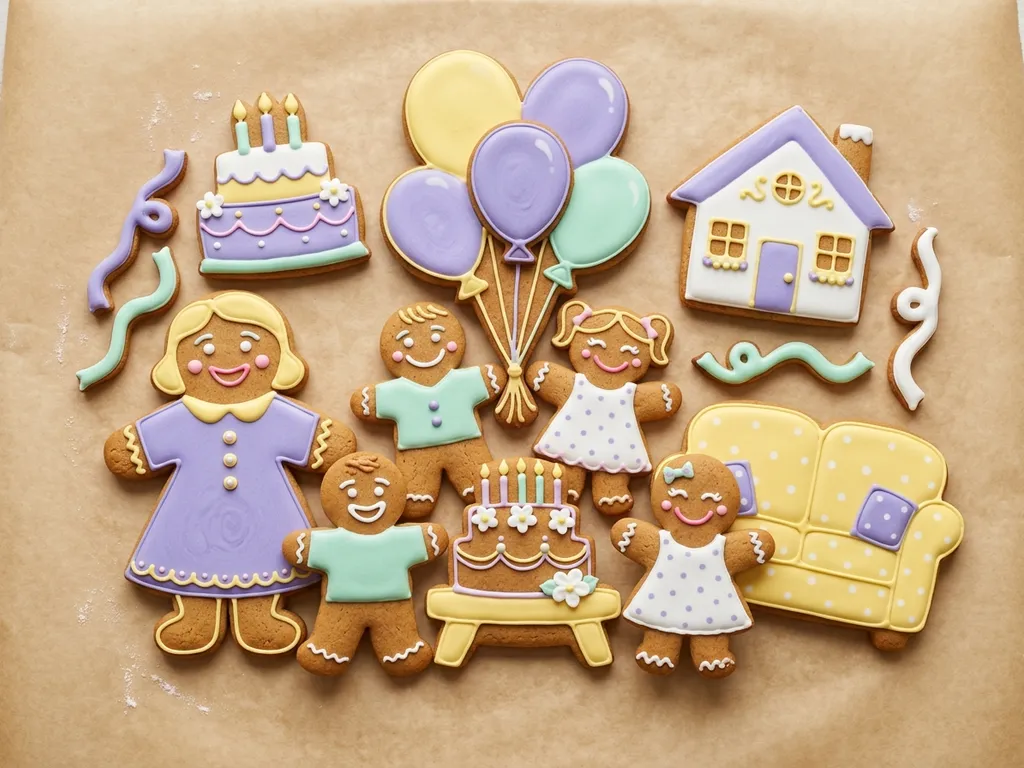
School-age kids: Use movement, objects, and short turns. Place toy figures on a table, say “Find the grandma,” and let your child move the correct figure. Draw a family picture and label two or three people. Finish with: “Mum, dad, sister, brother.” Five focused minutes can beat a long worksheet.
School-age kids: Make picture-and-word pairs, play memory games, or build an imaginary family tree. Ask your child to choose a card and create a sentence: “This is the cousin” or “The cousin has a pet.” After the words become familiar, add questions with who, how many, and do you have.
School-age kids: Keep the language accessible and the task age-respectful. Learners can profile a fictional family, compare two households, or record a 30-second description. Add relevant terms, including single parent, twins, or older sibling. Older beginners need accessible English without childish activities.
Simple Ways to Practise at Home
Short, spaced practice is easier to sustain than one weekly session. Put five family-word cards beside a photo album, fridge, or noticeboard. Review them briefly, then use two in sentences. Pre-A1 English Family Vocabulary for Kids: Words and Activities can enter daily talk: “Is Grandma calling?” or “Who is in the picture?”
Change the task before the vocabulary. Your child can point, match, answer, ask, draw, or write. Varied tasks provide repetition without turning practice into a test. LearnLink tutors adjust speaking, reading, and writing to the child’s age and confidence.
The Mystery Family Challenge
Draw four people or choose four toy figures, then secretly select one. Give clues: “She is a parent,” “She has two children,” and “She is the grandmother’s daughter.” Your child guesses, then gives clues. Younger learners can use one clue and point. Older learners can add names, ages, pets, and relationships.
Common Mistakes and Helpful Corrections
Beginners may confuse he and she, omit my, or pair a singular verb with a plural subject. Correct them by repeating the full sentence. After “This my brother,” respond, “Yes, this is my brother.” Conversation continues while modelling the correct form.
Do not define family only as parents and children living together. A child may live with grandparents, one parent, two homes, adoptive parents, or other carers. Choose fitting words and use fictional examples for personal terms. Teach the irregular plural child–children as a pair instead of applying the usual -s rule.
- Practice three family words with children aged four to six during breakfast.
- Use one picture book to correct he, she, mother, and father gently.
- Try pointing at photos before asking your child to name each relative.
- Repeat correct sentences twice instead of interrupting every small pronunciation mistake.
- Praise one accurate answer, then model the correction in a complete sentence.
When a word has several meanings or pronunciations, Cambridge Dictionary is a useful check before turning it into child-friendly examples.
Frequently Asked Questions
How Many Family Words Should a Beginner Learn at Once?
Begin with six to eight words linked to familiar people or characters. Pre-A1 English Family Vocabulary for Kids: Words and Activities works best when one small set appears across different tasks before expansion. Understanding, pointing to, and using six words in short sentences shows stronger progress than briefly repeating twenty.
Should My Child Learn “Mum” or “Mom”?
Both are correct. Mum is standard in British English and other varieties; mom is standard in American English. Choose one for active use based on school materials, tutors, or regular media, but teach recognition of both. Likewise, a child may say grandma while understanding grandmother.
Can a Multilingual Child Learn Family Words Without Translation?
Yes. Photos, drawings, gestures, and toy figures show meaning directly. Translation can resolve relationships such as cousin, aunt, or stepbrother. Keep the languages your child speaks: compare words, notice differences, then return to a short English sentence.
What If Our Family Does Not Match a Textbook Picture?
Use language reflecting your child’s family and present other structures as ordinary. Add or replace cards for the people who matter. An invented family protects privacy and avoids difficult feelings. The goal is understanding relationships and forming accurate English sentences, not fitting one household model.
A short one-to-one lesson can show what level and pace fit your child — book a trial English lesson.
Stay updated on our latest tips and resources by following us on Instagram LearnLink.