Look, See, and Watch for Kids
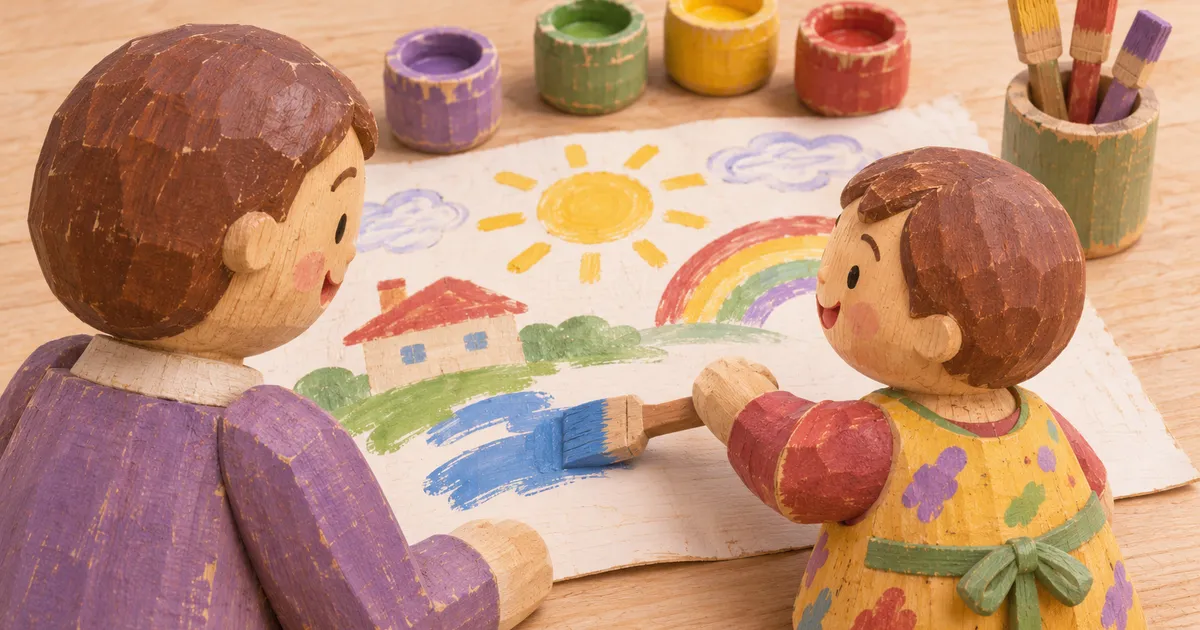
Look directs the eyes, see reports what becomes visible, and watch follows movement or change. Look, See, and Watch for Kids: A Practical Guide asks children to choose: direct the eyes, notice something, or follow an action? A child can look at a picture, see a bird, and watch it fly away. Practice builds faster, more accurate choices.
The Core Difference Between Look, See, and Watch
Look is intentional. We direct our eyes towards a target: “Look at the red circle.” The command “Look!” needs no noun.
See describes what reaches our eyes, often without effort: “I can see the moon.” Watch adds time and attention: we watch a match, an animal, or moving clouds.
One scene can use three verbs: “Look at the window. Can you see the cat? Watch it climb the tree.” This sequence applies Look, See, and Watch for Kids: A Practical Guide in conversation.
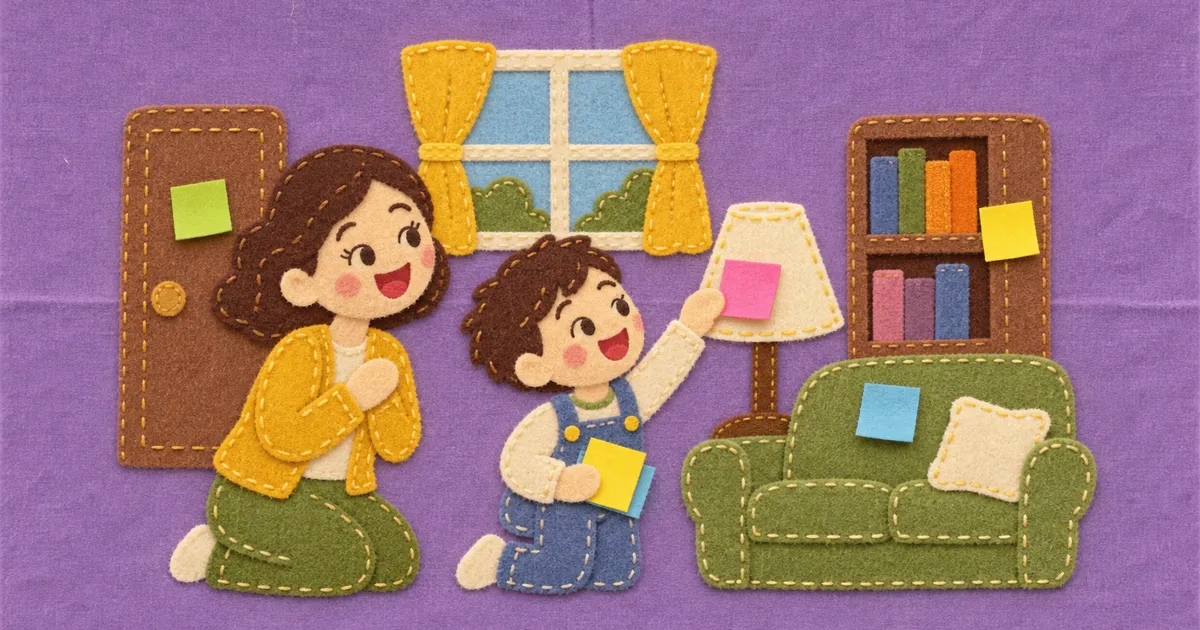
For children, teach the verbs as a three-step camera routine: point, notice, follow. Hold up an object for three seconds and say, “Look at the pencil.” Then hide part of it and ask, “What can you see?” Finally, roll it across the table and say, “Watch the pencil.” Repeat with four objects, but change the order so pupils must listen for meaning rather than copy a pattern.
A common mistake is using see after an instruction: “See the board” sounds unnatural when the child must turn their eyes towards it. Prompt “Look at the board,” then check perception with “Can you see the small star?” Use watch when attention continues, such as “Watch me draw five points.” A quick correction code—L for direct, S for notice, W for follow—helps learners explain their choice before trying the sentence again.
How to Use Look, See, and Watch in a Sentence
Before a target, look needs at: “Look at this shell.” Without a target, it stands alone: “Look!” For an action happening now: “She is looking at the map.”
See needs no at: “We see the mountains.” For sight, children often use can: “Can you see the small star?” Say “I can see it,” not “I am seeing it.”
Watch needs no at: “They are watching the fish.” Its continuous form suits an activity lasting over time. Remember Look, See, and Watch for Kids: A Practical Guide as look at, see, and watch.
A Chart of Rules and Examples for Look, See, and Watch
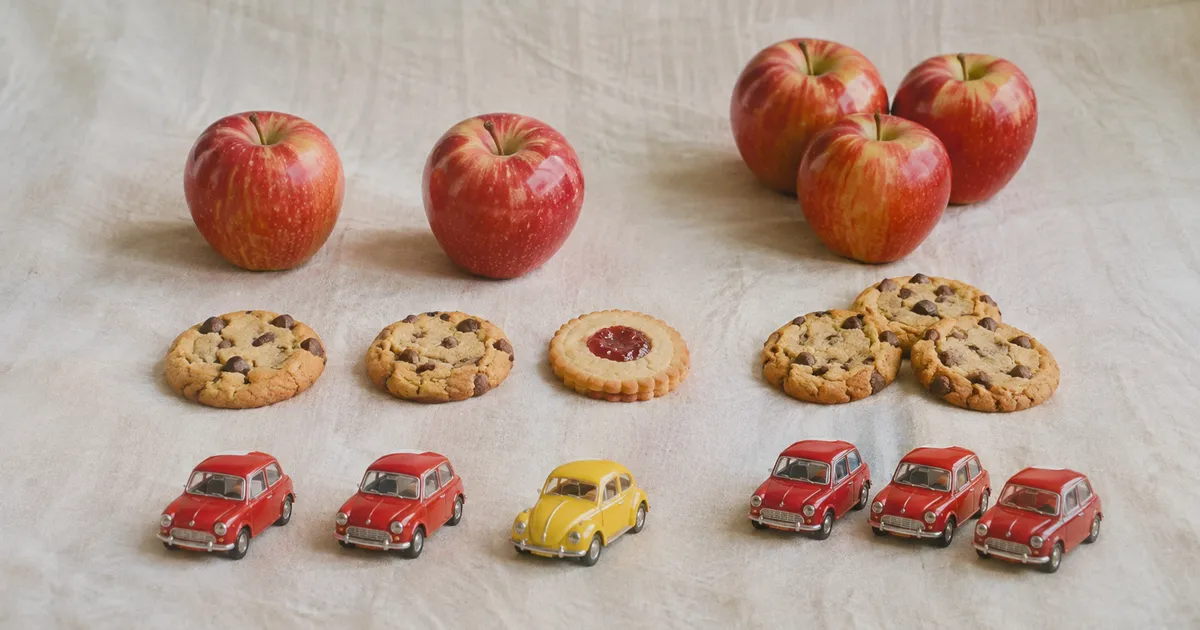
The speaker’s purpose determines the verb. A child may look at a football, see it under a chair, or watch it roll.
Compare each rule, pattern, and example.
Use the table as a decision check. Ask children to find the cue: directed eyes, visible result, or continuing movement. Look, See, and Watch for Kids: A Practical Guide works when children explain their choice.
Useful Meanings Beyond the Basic Rules
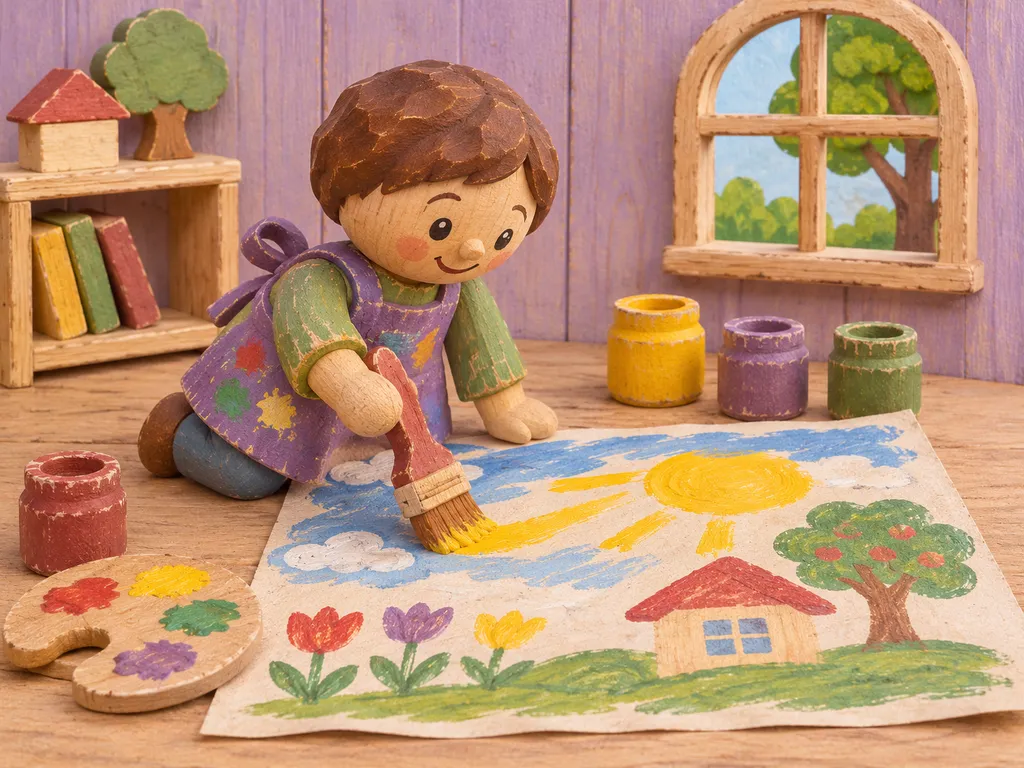
We watch television or watch a video because pictures and sounds continue. We can see a film when describing the experience, especially at a cinema; watch a film stresses the activity.
See appears beyond eyesight. “I see what you mean” means “I understand.” “See you tomorrow” refers to meeting. Older learners should learn each expression as a complete phrase.
Small words change look: look for means search, look after means take care of, and look like describes appearance. Teach these phrases separately from look at.
For children, use a three-column sorting game. Give them twelve short situation cards, such as “the bus arriving,” “a missing pencil,” and “a baby for the afternoon.” Children place each card under see, look for, or look after, then explain the choice in one sentence. This makes figurative phrases concrete: we see the bus, look for the pencil, and look after the baby.
A common mistake is “look the picture” without at, or “watch for my keys” when the child means search. Try a quick correction routine: say the incorrect phrase, pause for three seconds, and ask the learner to repair it. Then contrast two mini-dialogues: “Can you see the dog?” checks whether it is visible; “Look at the dog!” directs attention. Repeat with three classroom objects, changing only the verb or particle each time.
Common Look, See, and Watch Mistakes
Children may drop at: “Look the picture.” Correct it to “Look at the picture.” They may add at elsewhere. Say “See the picture” and “Watch the picture change,” never “see at” or “watch at.”
Do not choose from the object alone. “Watch the photo” sounds odd if nothing changes; “Look at the photo” fits. Replace “I see cartoons every evening” with “I watch cartoons every evening” because the action continues.
Correct meaning before form. Ask, “Are you directing your eyes, noticing something, or following an action?” Look, See, and Watch for Kids: A Practical Guide turns three corrections into one contrast.
Practice with Look, See, and Watch
Use nearby objects and actions. Ask your child to look at a book, name what they see on its cover, and watch you open it. One object demonstrates three meanings without translation.
Choose the Correct Verb
Complete each sentence with look, see, or watch.
1. Please ___ at this drawing.
2. From the window, I can ___ the park.
3. We ___ the match each Saturday.
4. ___! There is a rainbow.
5. Let’s ___ how the ice melts.
Answers: 1. look; 2. see; 3. watch; 4. Look; 5. watch.
Ask for a reason after each choice. “The ice changes, so we watch it” proves understanding. During online lessons, LearnLink tutors can use the same question to test meaning.
Find and Fix the Mistake
Correct each sentence.
1. Look the yellow kite.
2. I am seeing the moon.
3. We look cartoons after dinner.
4. Can you watch the coin on the table?
Answers: 1. Look at the yellow kite. 2. I can see the moon. 3. We watch cartoons after dinner. 4. Can you see the coin on the table?
Vary the scene with a window, silent clip, moving toy, or picture book. Ask: “Where should you look?”, “What can you see?”, and “What can you watch?” Use Look, See, and Watch for Kids: A Practical Guide in brief, regular sessions.
When a word has several meanings or pronunciations, Cambridge Dictionary is a useful check before turning it into child-friendly examples.
Frequently Asked Questions About Look, See, and Watch
Can Look and See Mean the Same Thing?
They can describe one scene from different angles. Look names the chosen action: “Look at the bird.” See names the perception: “I can see the bird.” Try: “Look there. What can you see?” The sequence demonstrates the difference.
Why Do We Say Watch Television but See a Film?
We watch television because changing pictures and sounds continue over time. Both watch a film and see a film work. Watch stresses viewing; see describes the whole experience.
Should a Child Learn Look and Look at Together?
Yes. Teach look at before an object: “Look at the board.” Show that look stands alone when calling for attention: “Look!” Paired examples teach when at is required and prevent “look the board.”
How Can a Multilingual Child Keep the Three Verbs Separate?
Connect each verb to an action instead of seeking a perfect translation. Direct the eyes for look, notice an object for see, and follow movement for watch. Children then learn the English distinction directly.
What Should We Do If Our Child Still Mixes up Look, See, and Watch?
Correct the sentence once, then request a new example. Look, See, and Watch for Kids: A Practical Guide is a reference, not a one-day test. Practise through books, games, walks, and lessons until recall improves.
If your child needs steady speaking practice, start small — choose a trial lesson.
Stay updated on our latest tips and resources by following us on Instagram LearnLink.