A Guide to Double Negatives for Kids
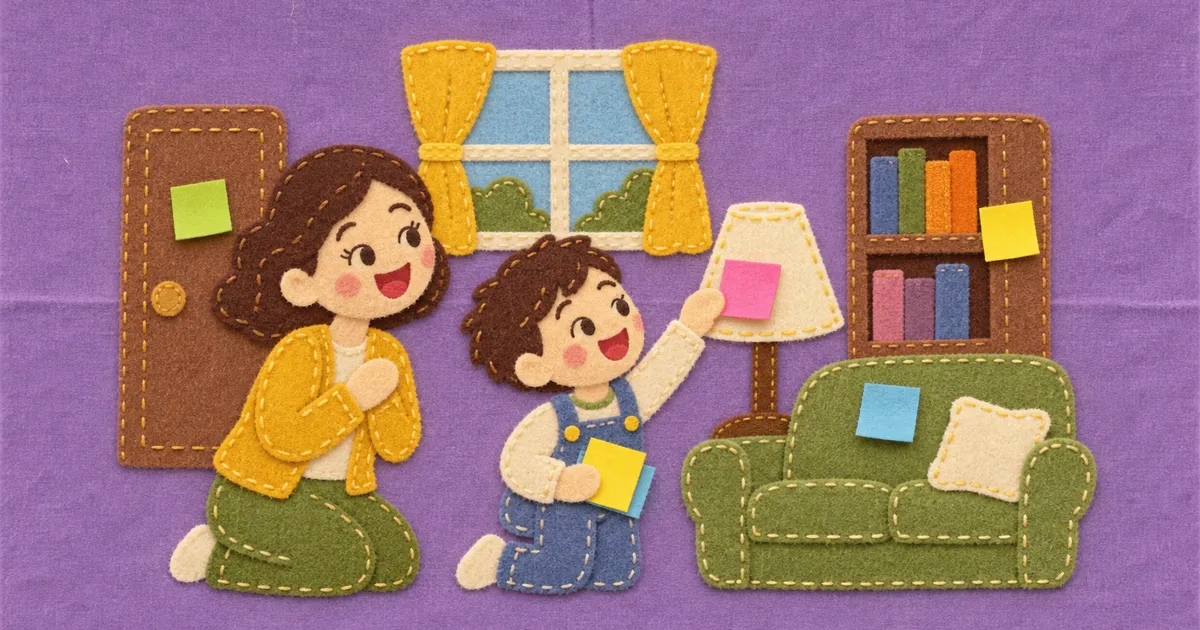
Double Negatives for Kids: A Practical Guide begins with one rule: standard English uses one marker per denied idea. Two denial words within one clause create a double negative, as in “We did not see nobody.” Songs, films, family speech, or regional English varieties may model this pattern. Children need not judge those speakers; they need forms expected in school writing and most international communication: “We did not see anybody” or “We saw nobody.”
What Children Need to Understand
Negation marks something untrue, nonexistent, or not happening. Common markers include not, never, no, nobody, nothing, and nowhere. Hardly and barely carry similar meaning.
Meaning matters more than counting. “She does not have any pencils” and “She has no pencils” express identical denial. “She does not have no pencils” mixes not with no inside one clause.
For families using Double Negatives for Kids: A Practical Guide, first help your child spot the denial marker before finishing each sentence. That brief pause prevents many errors.
How Double Negatives Work
English offers two patterns for expressing one two common patterns for denying one idea. One combines a verb plus not with an open word: “I do not need anything.” Another combines a positive verb with a no- word: “I need nothing.” Both work, though the second may sound firmer or more formal.
Mixing those patterns creates a double negative: “I do not need nothing.” Standard English requires changing either the verb or second word. Children can say “I do not need anything” or “I need nothing.” Identical choices apply to anybody/nobody and anywhere/nowhere.
Double Negatives for Kids: A Practical Guide centres on this pattern: after not or never, children usually need any, anything, anybody, or anywhere instead of another no- form.
Rules and Examples
Compare each complete sentence. For every row, ask your child to identify its form, choose a standard correction, then explain the intended meaning.
The final row reveals why “two negatives make a positive” remains incomplete teaching advice. “Not impossible” is grammatical and means possible, yet often sounds cautious rather than strongly positive. Treat choices in Double Negatives for Kids: A Practical Guide as meaning checks, not a mechanical counting test.
Common Mistakes and Why They Happen
Children may copy patterns from another language, regional dialect, or informal speech. Several English varieties use “I did not see nobody” within a consistent grammar system, expressing one denial. Standard written English follows a different pattern.
Correct each sentence without labelling its speaker careless or their home variety bad. Say: “That form may be used in conversation. For school writing, change nobody to anybody.” This approach separates language choice from personal judgement.
Children may also overcorrect sentences such as “It is not unusual.” Here, both markers create deliberate, softer meaning: the event is fairly common. Ask about the whole sentence’s meaning before changing anything. Clear, intentional meaning may make the form correct.
Teaching the Rule at Different Ages
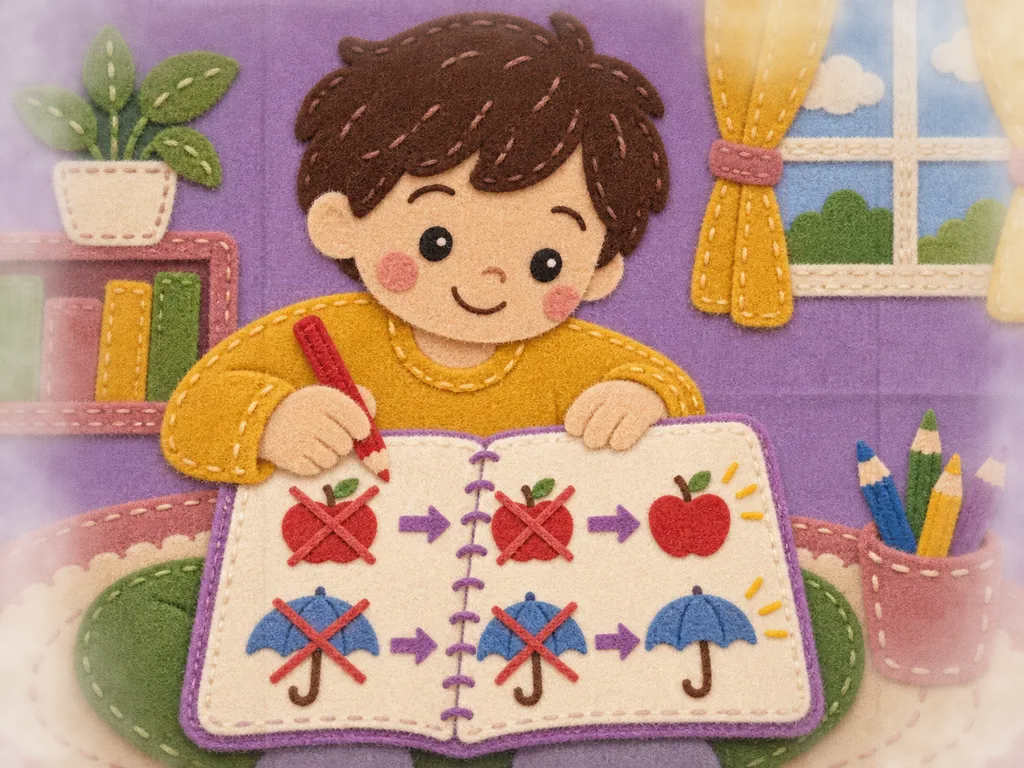
With younger children, use objects plus short choices. Place three toys on a table and say, “I cannot see any books.” Contrast that sentence with “I can see no books.” Let your child point toward the denial marker, then repeat one correct pattern.
Independent readers can colour-code sentences. Mark not or never using one colour; mark words such as anything or anywhere using another. At home, Double Negatives for Kids: A Practical Guide works best through meaning-focused practice: who was there, what happened, and what was absent?
Older children can compare formal writing with dialogue. Across LearnLink lessons, our tutors can respect dialect forms while demonstrating language suited to an international school task, email, or presentation. Flexible language use—not losing a family or community voice—remains the goal.
Practice Activities
The repair method in Double Negatives for Kids: A Practical Guide starts with intended meaning. Ask your child to explain that meaning, then repair each sentence through either route: keep not or never plus an any- word, or remove that marker while keeping the no- word.
Repair the Double Negative
1. We did not bring no snacks.
2. My brother never plays with nobody.
3. There was not nothing in the box.
4. They cannot go nowhere after school.
5. I did not hear no music.
Once corrections feel easy, reverse the task. Give your child a standard sentence, then request two correct versions. This builds control over both patterns instead of teaching one fixed replacement.
Write Two Correct Versions
Example: “No people came.” → “Nobody came.” / “Anybody did not come” is incorrect; use “No one came” instead.
1. We found no keys.
2. She spoke to nobody.
3. There is nowhere to play.
4. He bought nothing.
First-activity answers include: “We did not bring any snacks,” “My brother never plays with anybody,” “There was nothing in the box,” “They cannot go anywhere after school,” and “I did not hear any music.” Second-activity pairs may include “We did not find any keys” and “We found no keys.” Accept other versions whenever grammar and meaning remain sound.
When a word has several meanings or pronunciations, Cambridge Dictionary is a useful check before turning it into child-friendly examples.
Frequently Asked Questions
Double Negatives for Kids: A Practical Guide answers four common home-practice questions.
Are Double Negatives Always Wrong?
No. Double Negatives for Kids: A Practical Guide distinguishes mixed patterns, deliberate forms such as “not impossible,” and agreement patterns used by some dialects. Standard school writing normally avoids two markers denying one idea. A pair may correctly create positive or cautious meaning. Check full meaning before editing.
Why Does My Child Use Double Negatives?
Your child may follow a pattern from home speech, another language, a song, or a regional English variety. Such usage does not prove misunderstanding of negation. Demonstrate the standard English choice without mocking your child’s form. Brief comparisons such as “did not see anybody” and “saw nobody” clarify the expected pattern.
Do Two Negatives Always Make a Positive?
No. That rule works neatly in mathematics, but natural language depends on grammar, dialect, and context. “It is not impossible” means something is possible, although the speaker may still expect difficulty. Some English varieties use “I did not see nobody” to mean no person was seen. Teach your child to identify intended meaning alongside words marking denial.
How Can We Practise Without Worksheets?
Use brief spoken tasks during familiar routines. While checking the kitchen, ask your child to correct “There is not no milk,” or request two versions of “Nobody is in the room.” Keep each round to a few sentences, asking why each correction works. Regular, brief practice helps your child apply the rule during speech and writing.
A short one-to-one lesson can show what level and pace fit your child — book a trial English lesson.
Stay updated on our latest tips and resources by following us on Instagram LearnLink.