Movies for Kids with Great Vocabulary
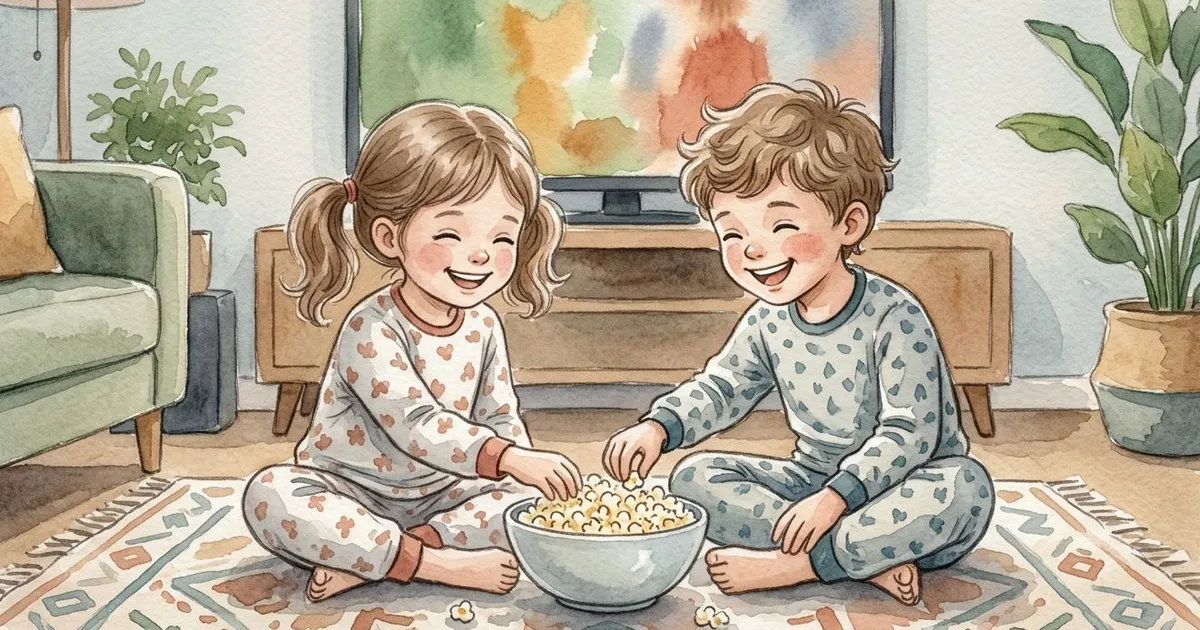
A movie for kids with great vocabulary means a child-safe film or episode with repeated target words, clear screen meaning, plus one natural reason your child says those words afterward. For children, one quick scene can make new English feel like shared play. Strong matches blend story, level, and same-week words: colors, feelings, actions, places, food, family, school, opinions.
Why Learn Vocabulary Through Movies?
Children remember words when sight, sound, and feeling connect. When a character says “I am scared” while hiding behind a door, scared gets a face, sound, and reason. That beats a bare list.
A movie for kids with great vocabulary gives pressure-free repetition. A child may hear “Let’s go,” “Wait for me,” or “I found it” several times during one story. These everyday phrases fit games, lessons, family talk, and later reading.
For multilingual children, movies can support English without replacing home languages. Children should connect ideas across languages, not feel that one language must push another out.
How to Choose the Right Movie or Episode
Start with length. Younger kids often do enough with a 5-12 minute episode. School-age kids can use a 20-minute episode or one brief film scene. Older children can watch longer, but vocabulary work still needs focus.
Choose everyday scenes: home, school, park, shop, kitchen, birthday, travel, animals. Fantasy can work too, but if every word names magic objects, your child may enjoy the story without gaining usable English.
A strong movie for kids with great vocabulary has clear speech, visual clues, and repeated words. Subtitles can help older children. With younger learners, pause less and point more. Too much stopping turns story time into a test.
Movie Vocabulary Word List for Kids
Use this list as a menu, not a race. Pick 6-10 words before viewing, then listen for them. Afterward, ask your child to use 3-5 in speech, drawing, or a small note.
These words fit child-friendly films and episodes because they name screen actions, people, places, feelings, and story moments.
child, friend, family, mother, father, sister, brother, teacher, helper, team
home, room, school, park, garden, shop, street, forest, beach, castle
bag, book, ball, box, key, door, map, bike, chair, gift
run, jump, look, listen, find, carry, open, close, help, share
happy, sad, scared, angry, tired, proud, shy, calm, bored, excited
big, small, long, short, fast, slow, loud, quiet, clean, messy
first, next, then, because, problem, plan, idea, mistake, again, finally
With a movie for kids with great vocabulary, move single words into useful chunks. “Door” becomes “open the door.” “Scared” becomes “She is scared because it is dark.” Vocabulary starts becoming real English.
Before Watching: Set a Small Language Goal
Children learn more when tasks feel winnable. Before video time, choose one goal: find five animals, listen for three feeling words, or notice how characters ask for help. Write the words on paper or say them aloud.
For a 5-year-old, the goal may be “touch your nose when you hear happy.” For an 8-year-old, try “tell me who was brave and why.” For a 12-year-old, try “write three phrases you could use at school.”
Across LearnLink lessons, tutors keep vocabulary goals narrow for this reason. A child does not need 30 new words in one sitting. A few words used well, then used again next time, build better recall.
During and After Watching: Turn Words into Speech
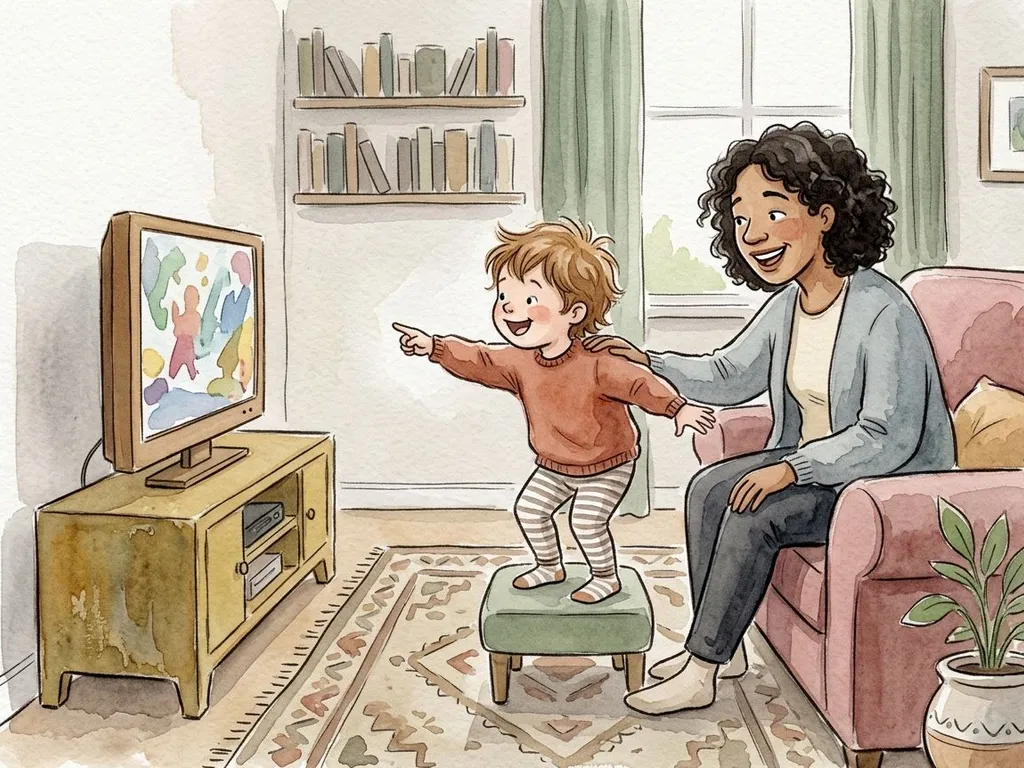
While watching, keep help concise. Point, repeat, move on. “Look, a map.” “He is tired.” “They are sharing.” Support your child without breaking story flow.
After watching, use one of three tasks. Ask your child to retell the scene in three pictures, act out one moment, or choose the “word of the scene.” The word could be help, lost, brave, or again.
A movie for kids with great vocabulary should lead to speech, not only listening. If your child says “big dog,” accept it, then model more: “Yes, a big dog is running.” Your child hears the next step without feeling corrected.
Adapting Movie Vocabulary for Ages 4-15
Children in one family may need different tasks from the same film. A 4-year-old can name colors and animals. A 7-year-old can answer “Where is the toy?” A 10-year-old can explain a character’s choice. A teenager can compare scenes and discuss tone, humor, or fairness.
For younger children, use movement: stand up for jump, wave for hello, hide for scared. For older children, use language frames: “I think ___ because ___,” “At first ___, but then ___,” or “The character should ___.”
This keeps the same movie for kids with great vocabulary useful across ages. Shared content stays familiar, while language tasks grow with your child.
Common Mistakes to Avoid
Do not choose a film only because adults like it. Some well-known films include fast speech, slang, sarcasm, or cultural jokes that challenge English learners. Enjoyment matters, but clarity matters too.
Do not turn every viewing into a worksheet. If children feel watched or graded, they may answer less. One focused task before and one quick task after the scene usually works.
Do not translate every unknown word. Translation can help when a child feels stuck, especially in a multilingual home, but constant translation stops picture, sound, and story guessing. Try “show me,” “point to it,” or “what happened?” first.
- Choose one school-age movie for kids with great vocabulary.
- Pause after five new words and ask your child for meanings.
- Use a notebook to record ten useful words after watching.
- Practice three words during dinner with simple, funny example sentences.
- Rewatch one favorite scene and let your child explain it aloud.
For the rule wording, British Council LearnEnglish Kids is a useful reference while the practice examples here stay adapted for children.
Frequently Asked Questions
What Makes a Movie Good for English Vocabulary Practice?
A strong choice has clear speech, visual clues, repeated useful words, and scenes your child can understand without long explanation. Everyday stories often work because children can reuse words later: food, clothes, school, family, feelings, actions. A movie for kids with great vocabulary should help your child say something after watching, not only sit through the story.
Should My Child Watch with Subtitles?
For children who can read English, subtitles can support listening and spelling. For younger children or early readers, subtitles may pull attention from the story. Try one short scene with subtitles and one without. If your child reads the words and follows meaning, keep them. If the screen feels busy, skip subtitles and focus on speaking after the scene. A movie for kids with great vocabulary should still feel like story time.
How Many New Words Should We Teach from One Movie?
For most children, 6-10 target words are enough from one focused viewing. Younger children may use only 3-5 words, and that still helps. Older children can collect more, but they should sort them into groups: feelings, actions, places, or story words. A small set used in full sentences beats a long list forgotten the next day.
Can Movies Replace English Lessons?
Movies are strong support, but they do not replace guided speaking practice. Children need a person to listen, adjust level, model clearer sentences, and help them use words in new situations. In LearnLink one-to-one lessons for ages 4-15, tutors can build on a child’s interests, including films, while keeping the lesson active and age-appropriate.
A short one-to-one lesson can show what level and pace fit your child — book a free English lesson.
Stay updated on our latest tips and resources by following us on Instagram LearnLink.