Nature Words in English for Kids

Nature words in english for kids are nouns, verbs, and describing words children use for the world outside: sun, rain, tree, leaf, river, grow, bright, cold. A first set should be small enough for frequent practice and broad enough for life: weather, plants, animals, land, water, sky, and outdoor actions. For ages 4-15, nature vocabulary works when children can see, touch, draw, sort, or compare it. The aim is not a long list in one sitting. It is helping your child name the world in short, accurate sentences.
📥 Nature Words Field Practice
Words, short phrases, and kid-friendly activities about the natural world
Leave your email — we'll send the PDF to your inbox.No spam — the PDF plus one short reminder. Unsubscribe anytime.
Core Words and Phrases
Start with words your child can meet on a walk, from a window, in a picture book, or in a video lesson. For younger children, ten strong words are enough: sun, moon, sky, tree, flower, leaf, bird, rain, cloud, wind. Say the word, point, and add one sentence: “The leaf is green.” “The wind is strong.”
Older children can build groups. Weather words include sunny, rainy, cloudy, windy, storm, snow, fog, and rainbow. Plant words include root, stem, branch, seed, grass, bush, forest, and garden. Land and water words include mountain, hill, beach, island, river, lake, sea, and ocean. This gives nature words in english for kids a map, not a loose pile.
Phrases help children speak sooner. Try “I can see a…”, “There is a…”, “The weather is…”, “It grows in…”, “It lives near…”, and “I like the…” These frames suit a 5-year-old with pictures and a 12-year-old describing a habitat.
Examples in Context
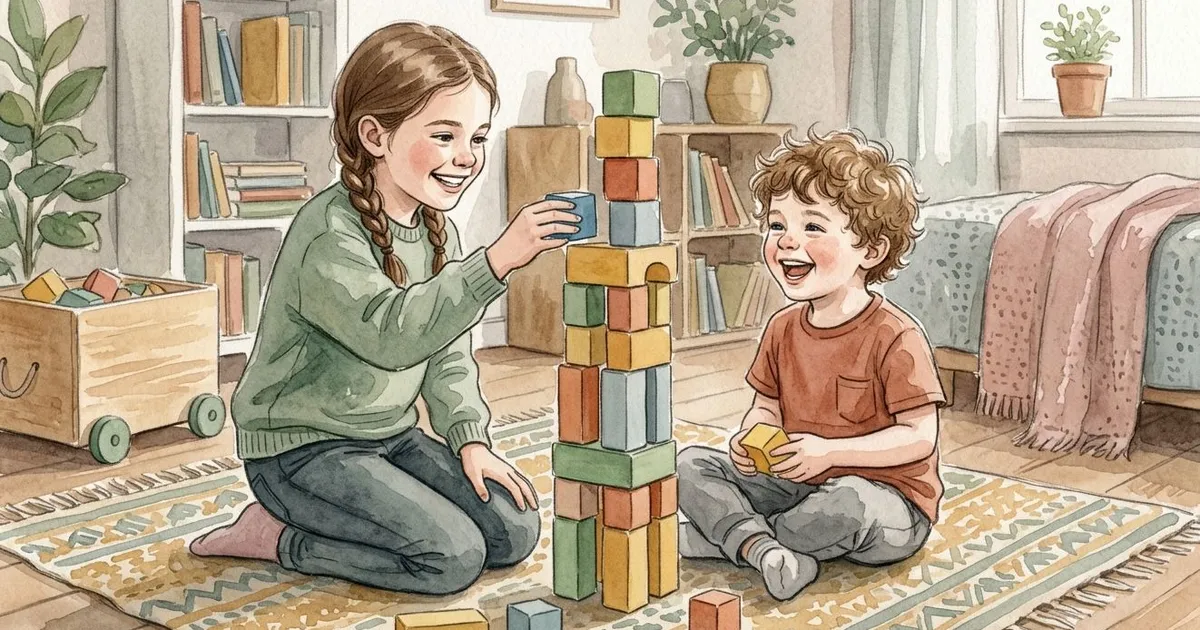
Children remember nature words when each word does a job. Instead of asking only “What is this?”, move to meaning tasks: “Find something soft.” “Which picture shows cold weather?” “Put the river next to the mountain.” The child listens for meaning, not only sounds.
Model sentences: “The sun is bright.” “A seed grows into a plant.” “The river is long.” “Birds fly in the sky.” “The ground is wet after rain.” Older learners can extend: “The path was muddy because it rained last night.” “Some animals hide under leaves to stay safe.”
Across LearnLink lessons, tutors connect nature words in english for kids with speaking tasks: picture description, short choice, mini story, or comparison. A child may say, “The forest is dark, but the beach is sunny.” That answer combines vocabulary, grammar, and thinking.
Word Groups by Level
A levelled set helps parents avoid two problems: words too babyish for an older child, or words too abstract for a beginner. The right level is the one your child can use in a sentence after hearing it several times.
Use this table as a planning guide. It is not an exam scale. It shows how nature words grow from naming to explaining.
Activities by Age

For preschool kids, keep practice short and physical. Place picture cards on the floor and ask your child to jump to “tree”, touch “rain”, or hold up “flower”. Add colours once the main word is secure: “a yellow flower”, “a grey cloud”. Young children need happy repeats before a word feels easy.
For school-age kids, use sorting, drawing, and short speaking. Ask your child to draw a garden with five labels, sort cards into “weather”, “plants”, and “animals”, or make a tiny weather report: “Today it is cloudy and cold.” This age can move from single words to phrases.
For older kids, nature vocabulary can support richer tasks. Ask for a comparison: “Which place is better for a picnic, a forest or a beach?” Invite cause and effect: “The snow melts because the sun is warm.” At this stage, nature words in english for kids connect with science, travel, stories, and opinions.
Five-minute Nature Word Hunt
Choose one window, photo, or outdoor place. Your child names five things, then says one sentence about each: “I see a tree. The tree is tall.” Older children can add one reason or detail: “The path is wet because it rained.”
Practice Ideas for Home
Daily routines beat one long vocabulary session. During breakfast, ask about weather: “Is it sunny, cloudy, or rainy?” On the way to school, choose one nature word and ask your child to spot it. At bedtime, use a picture book and name three outdoor things before reading the page.
For children who speak two or more languages, let them compare when it helps. They may notice that one language uses the same word for “wood” and “forest”, or that weather phrases work differently. Keep the English sentence short and correct: “It is raining,” not only “Rain.”
Build a word wall at home. Group words: sky, weather, plants, animals, water, land. Add a drawing or photo beside each word. When nature words in english for kids stay visible, children meet them often without feeling tested.
Common Mistakes to Watch For

The first mistake is teaching too many words at once. A child may repeat twenty words and still not know how to use them. Pick six to ten words for a week, then recycle them in new sentences. Review matters more than speed.
The second mistake is staying with nouns only. Children need verbs and describing words too: grow, fall, fly, melt, wet, dry, bright, dark, soft, rough. “Leaf” helps, but “The leaf falls” moves the child toward real English.
The third mistake is correcting every sound too fast. If your child says “tree” with an accent but the word is understandable, answer the meaning first: “Yes, a tall tree.” Then model the word naturally. Confidence and listening should grow together.
How to Introduce New Nature Words
Use a four-step pattern: show, say, act, speak. Show the picture or object. Say the word. Act it if possible: hands falling for “fall”, arms wide for “big”, fingers wiggling for “rain”. Then ask for a short sentence. This pattern supports younger learners and keeps older beginners from guessing silently.
When you introduce nature words in english for kids, use contrast. “Hot” is clearer beside “cold”. “River” is clearer beside “lake”. “Tall tree” is clearer beside “small flower”. Contrast shows the edge of a word, which makes it easier to remember and use.
End with a choice question, not a quiz. “Do you like sunny days or rainy days?” “Would you rather visit a forest or a beach?” A choice gives the child language and agency. The answer can be short, but it is real communication.
- Try five nature words in English for kids during today’s walk.
- Read one picture book and point to leaves, clouds, and insects.
- Use real objects to practice three words with preschoolers aged four.
- Ask your child to describe one outdoor sound after dinner.
- Review yesterday’s words with quick drawings before bedtime tonight.
When a word has several meanings or pronunciations, Cambridge Dictionary is a useful check before turning it into child-friendly examples.
Frequently Asked Questions
How Many Nature Words Should My Child Learn First?
For a young beginner, start with 10-15 high-use words and practise them for a few days. First words can be sun, sky, rain, cloud, tree, flower, leaf, bird, grass, and wind. Older children can begin with 20-30 words if they already make short English sentences. The test is use: can your child say the word in a phrase or sentence?
Should I Translate Nature Words into My Child’s Home Language?
Translation can help at the start, especially in a multilingual family, but it should not fill the lesson. Give the home-language meaning, then return to English with a picture, action, or sentence. For example: “River means this. The river is long.” Meaning stays clear while your child gets enough English input to speak.
What Is the Best Way to Remember Spelling?
Group spelling by patterns and word shape. Short words such as sun, fog, mud, and sky can be copied, traced, and used in labels. Longer words such as mountain, rainbow, forest, and weather are easier when children say the syllables and write them in a sentence. Avoid spelling drills before the child understands the word.
Can Nature Vocabulary Help with Speaking, Not Only Word Learning?
Yes. Nature words in english for kids lead to real sentences: weather reports, picture descriptions, small opinions, and explanations. A child can say “The bird is flying,” then grow into “The bird is flying over the river.” Add one detail at a time so speaking stays calm and accurate.
Want to see how these ideas work in a real lesson — try a free LearnLink lesson.
Stay updated on our latest tips and resources by following us on Instagram LearnLink.