Weather Words for Kids

Weather words for kids are everyday nouns, verbs, and short phrases children use to talk about the sky, temperature, seasons, and what to wear or do outside. A first set includes sunny, rainy, windy, cloudy, snowy, hot, cold, warm, cool, stormy, foggy, icy, rainbow, thunder, lightning, forecast, umbrella, coat, boots, and “What’s the weather like?” These words help children name what they see, feel, hear, and plan for, so they fit home practice or a first online English lesson.
📥 Weather Words for Kids
Printable word groups and a 7-day practice tracker for learning everyday weather vocabulary.
Leave your email — we'll send the PDF to your inbox.No spam — the PDF plus one short reminder. Unsubscribe anytime.
Core Words Children Should Know First
Start with weather words for kids that match real life. Young children learn fastest when the word connects to something they can point to: sun, rain, cloud, wind, snow, sky, coat, boots, umbrella. Older children can add storm, thunder, lightning, fog, temperature, forecast, season, degrees, and “It looks like rain.”
Teach the words in small groups. One group can be sky words: sunny, cloudy, foggy, stormy. Another can be feeling words: hot, cold, warm, cool, freezing. A third can be action words: wear, bring, stay, dry, melt, blow. Grouping stops weather words for kids from becoming a long list with no meaning.
Short phrases matter as much as single words. Children need “It is sunny,” “It’s raining,” “I need a jacket,” “The wind is strong,” and “Can we play outside?” These phrases give each word a job in a sentence.
Useful Word Sets by Level
For school-age kids, choose words they can act out or draw. Sunny, rainy, windy, snowy, hot, cold, wet, dry, coat, hat, and boots are enough for early speaking games. A child can say, “It’s cold,” while putting on a pretend scarf.
For school-age kids, add exact words and reasons: “It is cloudy, so I will take a jacket.” At this age, weather words for kids can include warm, cool, foggy, icy, storm, thunder, rainbow, forecast, and degrees. Children can begin to compare: “Today is colder than yesterday.”
For school-age kids, weather vocabulary can support reading, science, travel, and daily planning. Add humidity, breeze, heatwave, drizzle, hail, climate, temperature, and “chance of rain.” Teenagers can discuss a forecast, compare cities, or explain why a match was cancelled because of a storm.
Vocabulary cards for practice
It is sunny. I need my cap.
It is rainy. Take an umbrella.
The windy day makes the leaves move.
It is cloudy, so the sky is grey.
It is snowy. Wear warm boots.
It is foggy. I cannot see far.
It is stormy, so we stay inside.
The forecast says it will be cold.
Examples in Context
Children remember weather words for kids when they hear them in small, true sentences. Use the window, the school bag, or the day’s clothes as lesson material. “It’s raining. Take an umbrella.” “The sky is grey. It is cloudy.” “The sun is bright. Put on your cap.”
Build short exchanges, not labels alone. A parent can ask, “What’s the weather like?” and the child can answer, “It’s sunny and warm.” Then add one step: “What will you wear?” “I will wear shorts.” Vocabulary becomes speech.
For older children, add opinion and cause. “I like snowy days because we can build a snowman.” “I don’t like fog because I cannot see the road well.” “The game is indoors today because there is thunder.” The sentences stay clear and sound natural.
Activities by Age
With younger children, use movement. Say “windy” and let the child sway like a tree. Say “rainy” and tap fingers on the table. Say “sunny” and make a big circle with arms. Movement gives weather words for kids body memory for online learning.
With primary-age children, make a seven-day weather chart. The child draws one symbol each day and writes one sentence: “Monday is rainy.” After a week, ask, “How many sunny days did we have?” This brings in counting, days of the week, and simple past talk without making the lesson heavy.
With older children, compare two places. Choose the child’s city and another city where family members live or where the child wants to travel. Ask: “Which city is warmer?” “Where is it raining?” “What clothes would you pack?” Weather words for kids then guide real decisions.
Quick Home Practice: Weather Window Check
Stand near a window for two minutes. Your child says three things: one sky word, one temperature word, and one clothing choice. For example: “It is cloudy. It is cool. I need a sweater.” Older children can add a reason: “I need a sweater because the wind is strong.”
Practice Ideas for Short Lessons
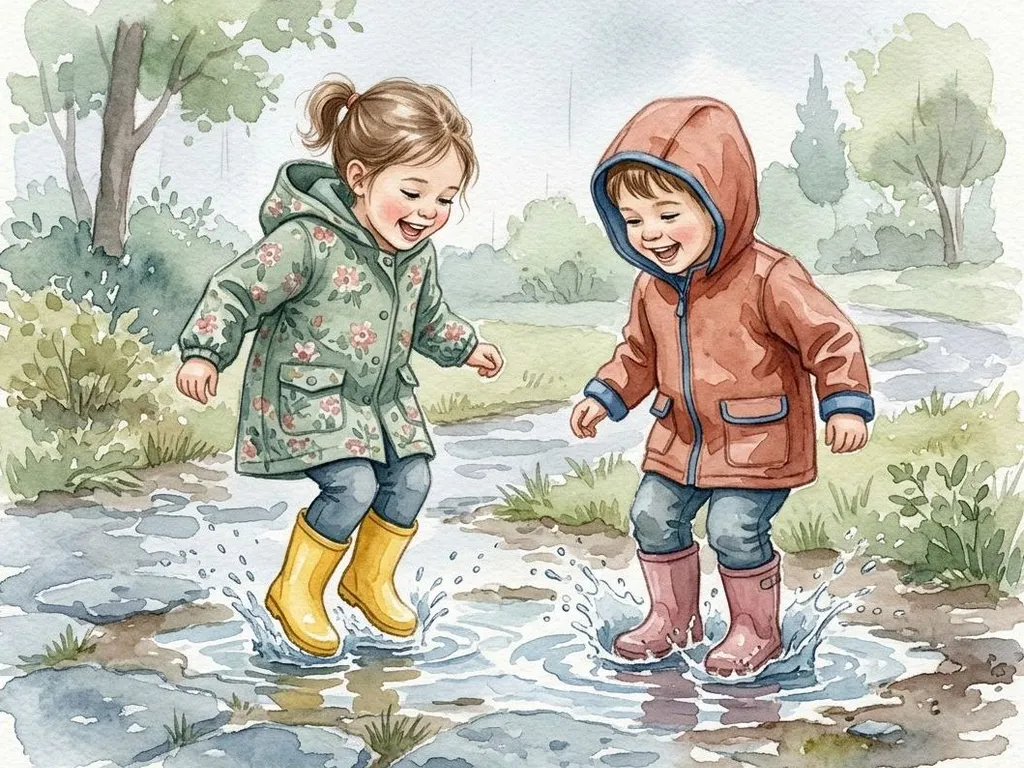
Use five-minute practice more often than long drills. Pick three weather words for kids each day and use them at breakfast, before school, or before an online lesson. A small daily habit works because weather changes and gives children a fresh reason to speak.
Picture sorting is direct and strong. Put drawings or photos into groups: sunny, rainy, snowy, windy, stormy. Ask the child to place clothes under each weather type: boots with rainy, gloves with snowy, sunglasses with sunny. Children link English words to choices, not only pictures.
Another game is “pack the bag.” Say, “We are going to the park. It is windy and cool. What do we need?” The child chooses: jacket, hat, kite, water bottle. For a harder version, add one wrong item and ask the child to explain: “We do not need sandals because it is cold.”
Common Mistakes and How to Fix Them
One mistake is mixing nouns and adjectives. Children may say “It is rain” instead of “It is rainy” or “It is raining.” Keep the correction short: “Yes, it is raining.” Then let the child repeat the full sentence once. Too much grammar talk can stop a young child from trying again.
Another mistake is using “hot” and “warm” as the same thing. Show a five-point scale: freezing, cold, cool, warm, hot. Ask the child to place today’s weather on the scale. This makes weather words for kids more exact and helps older learners sound clearer.
Children also overuse “bad weather.” Replace it with named words: rainy, stormy, icy, foggy, windy. “Bad” is an opinion; the exact weather word tells us what is happening. A rainy day may help plants, but ruin a picnic.
- Practice five weather words for kids during breakfast with ages four to seven.
- Use one picture book to name sunny, rainy, windy, and cloudy scenes.
- Ask your child to describe today’s weather in one complete sentence.
- Try a two-minute window check before choosing clothes for the day.
- Review three new words at bedtime with simple gestures or drawings.
When a word has several meanings or pronunciations, Cambridge Dictionary is a useful check before turning it into child-friendly examples.
Frequently Asked Questions
How Many Weather Words Should My Child Learn at First?
For a first set, 10-15 words are enough: sunny, rainy, cloudy, windy, snowy, hot, cold, warm, cool, wet, dry, coat, boots, umbrella, and hat. Once your child can use them in short sentences, add more. Weather words for kids should grow from speech, not from memorising a long list.
What Is the Best Way to Practise Weather Vocabulary at Home?
Use the real weather outside. Ask one short question each day: “What’s the weather like?” Then help your child answer with a full sentence: “It’s cloudy and cool.” Add one practical follow-up: “What will you wear?” This makes the words useful and keeps practice calm.
Should Young Children Learn Words Like Thunder and Lightning?
Yes, if the words match the child’s life and do not frighten them. Use clear, calm language: “Thunder is the loud sound. Lightning is the bright light.” For sensitive children, pair the words with safety routines, such as staying indoors during a storm, rather than dramatic stories.
How Can Older Children Make Weather Vocabulary Less Childish?
Older children can use weather words in travel, sport, science, and planning. Ask them to read a short forecast, compare two cities, or explain what clothes they would pack for a weekend trip. Add words such as temperature, humidity, drizzle, heatwave, breeze, and chance of rain.
- Start with five visible words today: sky, sun, cloud, rain, and wind.
- Practise one full answer every day: “It is cloudy and cool.”
- Try one clothing question after each answer, so the vocabulary leads to a real choice.
- Review the same weather words for kids across a week, then add forecast, temperature, and season when the first set feels easy.
Want to see how these ideas work in a real lesson — try a free LearnLink lesson.
Stay updated on our latest tips and resources by following us on Instagram LearnLink.