News Articles in English for Kids
For families, news articles in english for kids are short, age-aware reports that help children learn real words and understand what happened, who was involved, and why it matters. Breakfast does not become a test. A child reads, listens, asks, separates facts from opinions, and learns vocabulary from real life. Strong articles are calm, plain, and chosen with care. A 6-year-old may need one picture and five new words. A 12-year-old can handle causes, quotes, and two sides of an issue.
📥 Kid News Vocabulary Cards
A printable word-and-phrase set for reading simple news articles at home or in class.
Leave your email — we'll send the PDF to your inbox.No spam — the PDF plus one short reminder. Unsubscribe anytime.
What Families Need to Know
News reading for children starts with safety and fit. A child should not meet adult news in adult language. Choose reports made for young readers, with plain sentences, clear dates, and no shocking images. Topics can stay real: weather, sport, science, animals, local life, space, books, or young people helping their community.
For English learning, news gives children words in context. Instead of memorising “rescue,” “storm,” or “team,” they see each word inside a sentence. That is why news articles in english for kids support reading and speaking. The child learns a word and the world around it.
How to Choose the Right Article
Start with the child’s age, reading level, and mood. A 5-year-old needs one short paragraph, a picture, and a parent’s voice. A 9-year-old may enjoy three short paragraphs with a question at the end. A teenager can compare two reports on the same event and notice which words make a story sound calm or dramatic.
Check the topic, language load, and emotional load before reading. Ten unknown words in the first paragraph mean the text is too hard for independent reading. If the subject is sad or frightening, read it first and decide whether your child needs it now. News articles in english for kids should build language and thought, not worry.
How to Use News at Home
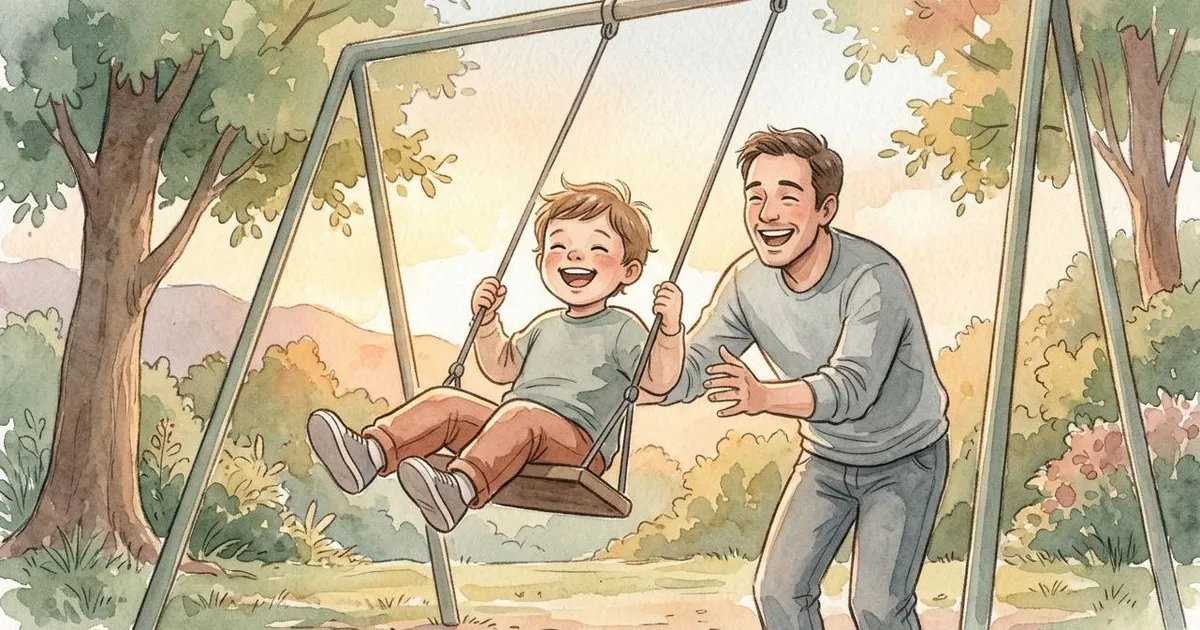
Keep the routine short. Ten minutes, twice a week, works better than one long session that feels like homework. Read the headline together. Ask your child to predict the topic from the headline and picture. Then read the first paragraph slowly and stop. Children need time to build the scene in their mind.
After reading, ask three questions: “What happened?”, “Who was there?”, and “What word helped you understand it?” These questions work across countries and school systems because they focus on meaning. With news articles in english for kids, the home goal is steady growth: attention, real words, and confidence speaking about real events.
Try This 10-minute Routine
Read the headline, choose five news words, read one short article, and ask your child to retell it in three sentences: “First… Then… In the end…” Younger children can draw the ending.
Useful News Words to Teach First
Children need a small set of news words before reading with ease. Teach words that return often: “report,” “event,” “team,” “scientist,” “weather,” “change,” “help,” “protect,” “win,” and “because.” These words cross topics, from a football match to a science story about the ocean.
Do not teach every new word before reading. Choose five. Say each word, give a child-friendly meaning, and place it in a sentence. Example: “Protect means keep safe. The helmet protects the rider.” Then let the article teach through context. Repeated contact helps vocabulary stay.
Examples by Age
For school-age kids, use one-sentence news. “A baby elephant was born at the zoo.” Ask: “What animal?” “Where?” “Is this happy or sad?” Add a drawing or toy animal. The child learns that news answers questions and that English carries real meaning.
For school-age kids, try a short animal or science article. After reading, ask your child to find three facts. A fact might be “The turtle was found on a beach.” For ages 10-12, add cause and effect: “Why did people clean the beach?” For school-age kids, discuss source and tone. Ask whether the report gives evidence or only strong words.
Across LearnLink lessons, tutors use age-fit texts and questions to keep reading active. A younger learner may point, repeat, and sort pictures. An older learner may compare two headlines. News articles in english for kids work best when the task matches the child, not only the child’s school grade.
Practical Activities for Speaking and Writing
Turn a short article into a speaking task. Ask your child to be the newsreader and give a 30-second report. Younger children can use sentence frames: “This news is about…” “It happened in…” “One new word is…” Older children can add a reason: “This matters because…”
For writing, keep the task narrow. Ask for a headline, a caption, or three bullet facts before a full paragraph. Children new to online learning often do better with one defined product. A neat headline written with care teaches more than a long paragraph full of copied phrases.
Family Newsroom Game
Choose one safe article. One person reads the headline, one finds three facts, one explains two new words, and one gives a short spoken report. Switch roles next time so each child practises reading, listening, and speaking.
What to Avoid
Avoid articles that are too long, dramatic, or full of adult conflict. Children can learn about the world without carrying adult fear. If a major event comes up at home or school, use calm language and check what your child already knows before adding details.
Also avoid turning each article into a grammar worksheet. Grammar can appear naturally: past tense in reports, comparatives in sport, future forms in weather, and modal verbs in safety advice. But meaning comes first. With news articles in english for kids, comprehension should come before correction.
- Choose one age-appropriate news article and preview difficult words before reading.
- Ask your child to summarize the main idea in two sentences.
- Compare two news articles in english for kids on the same topic.
- Practice spotting scary headlines, opinions, and missing sources together today.
- Use a five-minute reflection to connect the story with real life.
For the rule wording, Wikipedia — English Grammar is a useful reference while the practice examples here stay adapted for children.
Frequently Asked Questions
What Age Can Children Start Reading News in English?
Children can start around age 4 or 5 with picture-led, parent-read news sentences about safe topics such as animals, weather, or school life. Independent reading usually comes later. The key is not age alone, but emotional fit and language load. If your child understands the main idea and feels calm after reading, the article is probably suitable.
How Often Should We Read News Articles in English at Home?
Two short sessions a week are enough for many families. Ten minutes can include a headline, five useful words, one short reading, and a retell. Children learn more from a steady routine than from a long lesson once a month. If your child enjoys the topic, add a drawing, map, or short spoken report.
Are News Articles in English for Kids Good for Vocabulary?
Yes, when the articles are chosen well. News articles in english for kids give vocabulary a reason to exist: storms damage, teams compete, scientists test, people help, rules change. Children see words inside real sentences, not only on flashcards. For best results, choose five new words, use them aloud, and return to them in a later article.
What If My Child Finds the News Worrying?
Stop and name the feeling calmly. Say that some news is not right for children yet, and choose a safer topic next time. You can still build English with reports about nature, space, sport, art, food, books, or young inventors. A child who trusts the reading routine will learn more than a child who feels trapped by it.
Want to see how these ideas work in a real lesson — try a free LearnLink lesson.
Stay updated on our latest tips and resources by following us on Instagram LearnLink.