English Reading for Kids in Grade 2
Grade 2 reading combines phonics, sight words, short texts, and meaning talk for 10-15 minutes. English Reading for Kids in Grade 2: A Practical Guide for Families turns that mix into a calm weekly routine. At this age, learners sound out words while building enough ease to understand a story, follow instructions, and explain what they noticed. For bilingual and multilingual learners, progress may look uneven. That is normal. The goal is accurate reading, strong meaning, and growing confidence.
📥 Grade 2 Reading Word Builder
A printable practice pack for growing confidence with common words, word patterns, and short reading phrases.
Leave your email — we'll send the PDF to your inbox.No spam — the PDF plus one short reminder. Unsubscribe anytime.
What Families Need to Know
In Grade 2, children move from “learning to read” toward “reading to learn.” They still need phonics, plus short books, poems, labels, captions, and nonfiction. A child may read ship on Monday and hesitate over shop on Wednesday. Learning has not failed; the brain is sorting sounds, letters, and meaning.
For international families, English Reading for Kids in Grade 2: A Practical Guide for Families should stay flexible. A child who speaks Spanish, Hebrew, French, Italian, German, Arabic, or another home language may use home-language patterns when reading English. Transfer errors are not carelessness. A calm adult can say, “In English, this sound changes here,” then give one more chance to read the sentence.
Core Skills to Build
Grade 2 reading grows when five skills work together: phonics, sight words, vocabulary, fluency, and comprehension. Phonics helps children read new words. Sight words help them move through words such as said, because, could, and there. Vocabulary gives meaning. Fluency makes sentences sound like speech. Comprehension is the reason for reading.
Use this home view of the skills.
How to Use This at Home
A useful home routine is short and regular. Ten to fifteen minutes, four or five times a week, often beats one long session. Start with a familiar book, add one new text, and end with quick talk. English Reading for Kids in Grade 2: A Practical Guide for Families works when reading feels like shared work, not a test.
Use three steps. First, preview the title, pictures, and two tricky words. Next, read together: your child reads, and you help only when needed. Last, discuss meaning: ask one fact question and one thinking question. For example, “Where did the boy put the key?” and “Why do you think he hid it?”
If your child gets stuck, wait three seconds. Then prompt: “Look at the first sound,” “Try the vowel team,” or “Read the whole sentence again.” Avoid jumping in fast. The pause teaches children to try, check, and repair their own reading.
Examples by Age and Stage
An early Grade 2 reader may need large print, repeated patterns, and picture support. Texts might include sentences such as, “The red hen runs to the shed,” or “I can see three small boats.” Success means reading sentences accurately and retelling the main idea in a few words.
A more fluent Grade 2 reader may be ready for longer paragraphs, chapter books, and nonfiction pages about animals, space, food, or school life. Ask the child to find text evidence: “Which sentence tells you that the dog was scared?” This builds looking back instead of guessing from memory.
Older school-age learners new to English should not get babyish texts. They may need Grade 2 reading skills in English, plus age-respectful topics. Short biographies, science facts, sport rules, recipes, and graphic stories help them practise basic reading without feeling spoken down to.
Practical Activities for the Week
Families need repeatable activities with a purpose, not a classroom at home. Choose one daily focus: sounds, words, fluency, or meaning. English Reading for Kids in Grade 2: A Practical Guide for Families should feel manageable on school days and useful on weekends.
Try a “read, cover, remember” routine with one short paragraph. Your child reads aloud, covers the page, and tells three remembered details. Then they open the page and check. This builds attention to meaning and shows rereading as a normal reading tool.
Five-minute Fluency Practice
Choose a paragraph of 40-70 words. Read it aloud once to model the rhythm. Then let your child read it twice. On the second reading, ask for smoother phrasing, not faster speed. End with one question: “What was the most important thing in this part?”
Word hunts work well. Pick one pattern, such as sh, ch, ee, or igh. Ask your child to find three words with that pattern in a book, on a cereal box, or on a trusted website. Then sort the words by sound and read them in a sentence.
When Reading Feels Hard
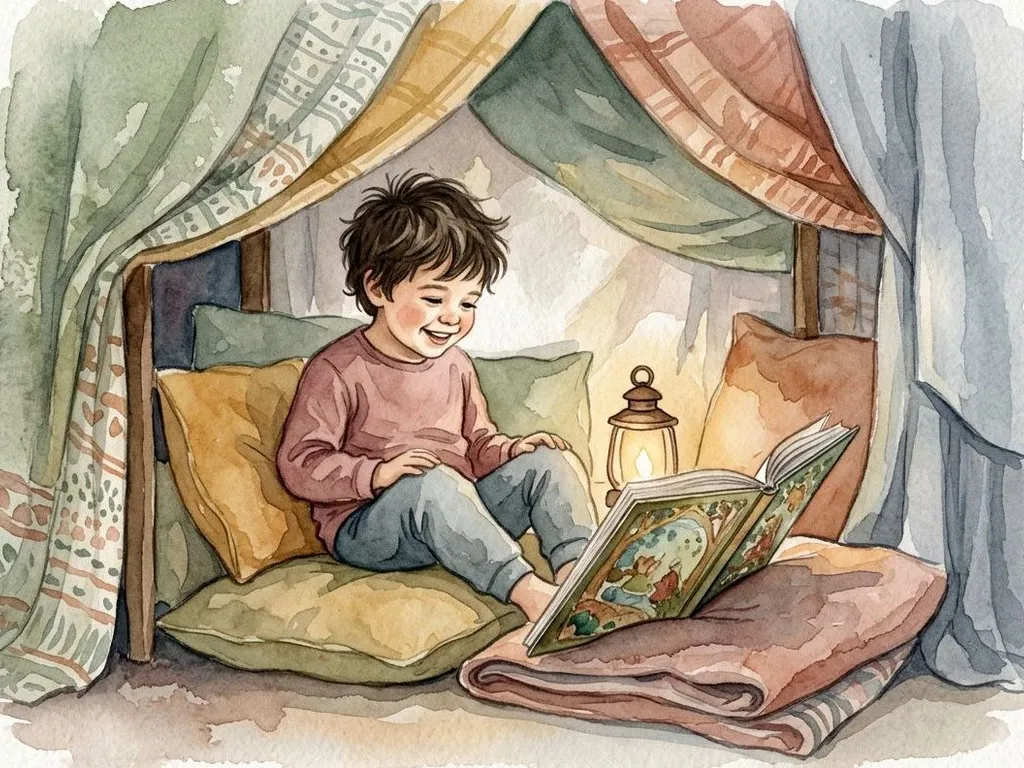
Children may avoid reading because the text is too hard, the page is crowded, or mistakes feel public. Lower pressure before adding practice. Let the child choose between two texts. Cover part of a busy page with paper. Read alternate sentences. These small changes protect attention and dignity.
Watch for patterns. If your child guesses from the first letter, use prompts that make them look through the whole word. If they read every word correctly but cannot explain the text, slow down and add talk. If they understand stories when you read aloud but struggle alone, the main issue may be decoding or fluency, not intelligence or effort.
Across LearnLink lessons, tutors look for the skill behind the mistake. A child who says house for horse needs careful visual attention. A child who reads went as want may need vowel practice. A flat reading voice may point to phrasing and punctuation work. English Reading for Kids in Grade 2: A Practical Guide for Families is strongest when adults respond to the exact need, not the score.
How Online Lessons Can Support Reading
One-to-one online reading lessons help when the adult balances warmth and structure. For first-time online learners, screen tasks should be short: read a line, move a word card, answer a question, draw a quick match, then read again. The lesson should keep the child active, not watching passively.
For children aged 4-15, LearnLink teaches general English through individual lessons. Reading work can include phonics, vocabulary, sentence reading, short stories, and guided discussion. The tutor can adjust text level while keeping the topic suitable for the child’s age and interests.
Parents can share home observations: “She reads animal words well but skips small words,” or “He understands when we read together but will not read aloud alone.” That information helps the tutor choose the next step. English Reading for Kids in Grade 2: A Practical Guide for Families is not a fixed script; it keeps home and lesson practice moving in the same direction.
For reading and phonics support beyond the article examples, Scholastic Parents is a helpful independent resource for parents.
Frequently Asked Questions
How Much Should a Grade 2 Child Read Each Day?
Most children do well with 10-20 minutes of reading practice on school days. The time can include shared reading, independent reading, and one short talk about the text. If your child is tired, choose five strong minutes instead of a long struggle. Regular practice matters more than a perfect session.
What If My Child Reads English More Slowly than Classmates?
Slow reading can have several causes: new vocabulary, weak phonics, low confidence, or the extra load of learning in more than one language. Compare your child with their own past reading first. If accuracy, understanding, and stamina improve, pace may follow. If progress stalls for several months, ask a teacher or reading specialist for a closer look.
Should We Correct Every Mistake?
No. Correct mistakes that change meaning or show a pattern your child needs to learn. If the child says a instead of the once, keep the reading moving. If they keep ignoring endings, stop after the sentence and look at the word together. Too many corrections can make reading feel unsafe.
Can English Reading for Kids in Grade 2: A Practical Guide for Families Help Bilingual Children?
Yes, if it respects both languages. Bilingual children may need more time with English sounds, spelling patterns, and school vocabulary, but their home language is a strength. Let your child discuss a story idea in the home language when needed, then help them say the key sentence in English. Meaning comes first, then clearer English expression.
A short one-to-one lesson can show what level and pace fit your child — book a free English lesson.
Stay updated on our latest tips and resources by following us on Instagram LearnLink.