Onomatopoeia Examples and Activities for Kids
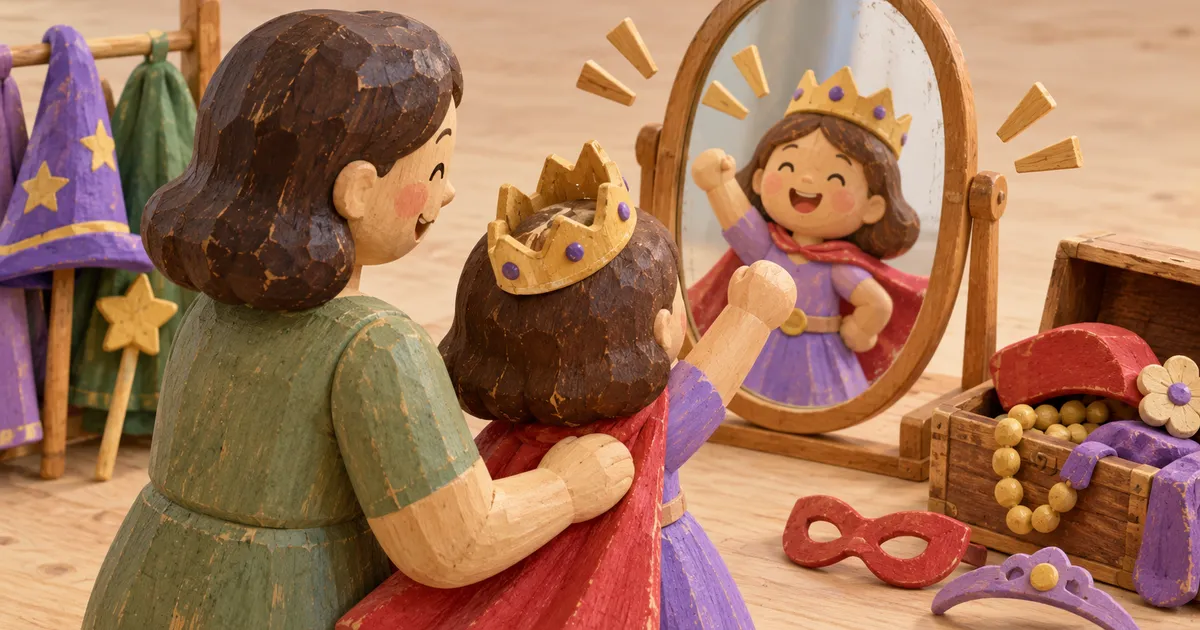
Onomatopoeia turns sounds into words: buzz, pop, and splash. This guide to Onomatopoeia for Kids: Words, Examples, and Activities teaches them through listening, speaking, reading, and writing. A child hears a clock, says “tick-tock,” and recognises the word in a story. Start with familiar sounds, model each word in context, and practise with short tasks.
📥 Sound Words in Action
Read, match, write, and track onomatopoeia in everyday language.
Leave your email — we'll send the PDF to your inbox.No spam — the PDF plus one short reminder. Unsubscribe anytime.
What Onomatopoeia Means
An onomatopoeic word imitates or suggests a sound. A bee may buzz, rain may patter, and a dropped book may land with a thud. The word does not reproduce the noise perfectly; it creates a form people can say and write.
Onomatopoeia for Kids: Words, Examples, and Activities connects sound with language. Children can act out a word before reading it, making its meaning concrete. One sound word can serve different roles: buzz names a sound in “I heard a buzz” and describes an action in “The bees buzz.”
A Practical List of Sound Words
Start with sounds your child can hear or picture. These groups identify sound sources and show each word in a complete sentence.
Teach each word with its source. Say “The balloon went pop” instead of asking your child to memorise pop. The sentence links the event, sound, and word position.
Using Sound Words in Sentences
For Onomatopoeia for Kids: Words, Examples, and Activities to work, children need words in different sentence patterns. Read each example aloud and stress the sound word. Then ask your child to change the person, object, or setting.
- “Buzz!” went the bee beside the flowers.
- The door closed with a loud bang.
- We heard the bacon sizzle in the pan.
- The stream gurgled between the rocks.
- My boots squelched through the wet mud.
- The keys landed on the table with a clatter.
“Crash!” lets the reader hear an event immediately. In “The plates clattered,” the sound word acts as a verb; in “We heard a crash,” it names the sound. Grammar labels can wait. Teach the contrasting patterns first.
Ask: “What made the sound?” or “Was it quiet or sharp?” The question checks meaning without creating a spelling test and helps children distinguish tap, knock, and bang.
How to Introduce and Practise the Words
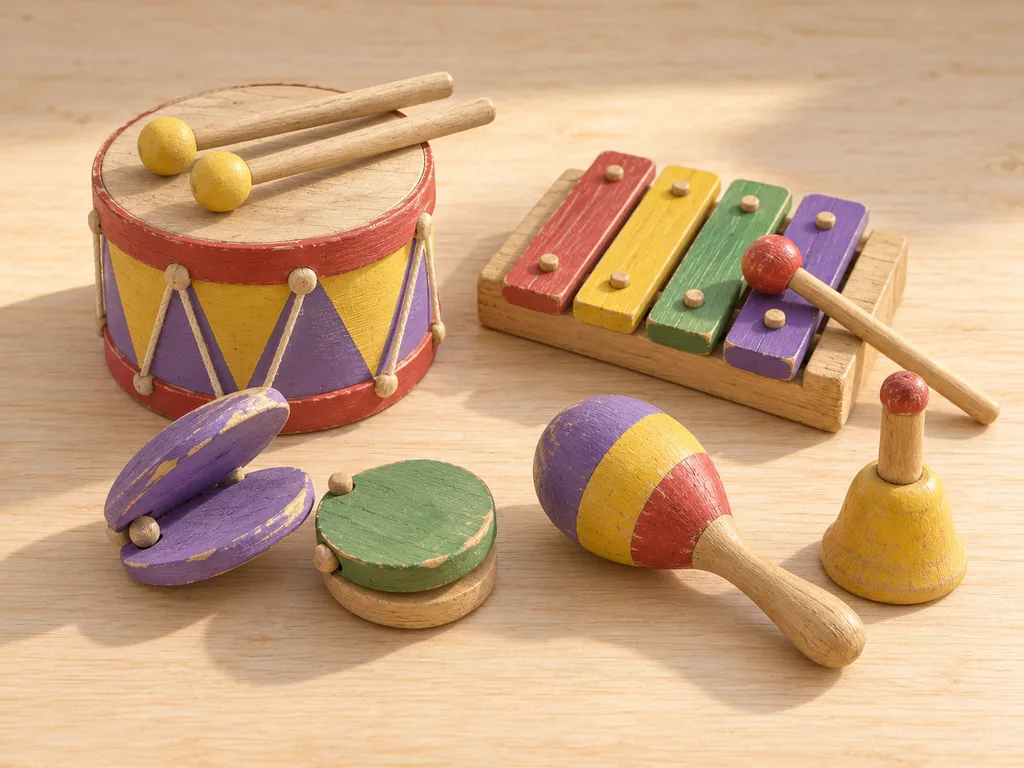
Begin with a one-minute sound hunt at home, outdoors, or during a journey. Listen for a tap, hum, beep, rustle, or splash. Let your child copy the noise and suggest a word before giving the English form. Hearing comes first; add spelling after the meaning is clear.
Sound words differ across languages because people represent the same noise differently. Compare an English animal sound with the form used in another home language. Treat the difference as language knowledge, not an error. During LearnLink lessons, our tutors can use these comparisons while reinforcing the English meaning.
Sound Detective Challenge
Choose one room and listen for one minute. Write or draw three sound sources. Add an English sound word to each, then make a sentence such as “The spoon clinked against the cup.” For a harder version, choose a more precise word: did the door click, creak, or slam?
Repeat the activity elsewhere with fresh noises. A kitchen may offer clink; a park may supply rustle; a rainy window gives patter. Keep successful words on cards and sort them by animals, nature, people, and objects.
Activities for Different Ages
Younger school-age kids: Adapt Onomatopoeia for Kids: Words, Examples, and Activities through movement and matching. Make an animal sound and ask your child to point to the matching toy or picture. Swap roles. Finish with one short pattern: “The cat says meow” or “The duck goes quack.”
Developing readers: Create a four-box comic about breakfast or a rainy walk. Add one sound word to each box, then read the comic without those words and compare. Children notice that crunch, drip, and whoosh clarify the action.
Older school-age kids: Use sound words as editing tools. Give your child: “The bike moved over the stones.” Ask for a version that reveals the noise: “The bike rattled over the stones.” Confident writers can compose a short poem whose sounds rise from quiet to loud, then explain each choice.
Common Mistakes and Simple Fixes
Not every noise-related term is onomatopoeia. Loud describes a sound but does not imitate it. Clang suggests the noise itself. Say the candidate aloud and ask whether it resembles what was heard.
Do not expect one fixed spelling for every noise. Writers use tick-tock and tick tock, while comics may stretch a form for effect. Teach the usual classroom spelling first, then show how stories use letters, capitals, and punctuation.
Excess sound words can weaken a scene. Choose one exact term based on what the reader needs to hear. In a calm moment, rustle may fit; after a sudden collision, crash carries the action.
- Try five animal sounds with children ages four to seven today.
- Use one picture book and identify three sound words per page.
- Practice matching six noises to objects using homemade flashcards for ten minutes.
- Correct spelling gently by repeating each onomatopoeia word in a playful sentence.
- Create a two-minute family sound story and let your child perform it.
For the rule wording, British Council LearnEnglish Kids is a useful reference while the practice examples here stay adapted for children.
Frequently Asked Questions
At What Age Can a Child Learn Onomatopoeia?
Children can explore onomatopoeia when they begin copying sounds, even before reading. Use pictures, toys, actions, and repeated sentence frames with younger learners. School-age children can sort words and write examples. Older learners can examine how sound words shape mood, pace, and description. Match the task to current language skills.
Is Onomatopoeia the Same in Every Language?
No. Languages represent the same noise with different letter patterns. Neither version is necessarily wrong. Compare the forms, say them aloud, and practise the English word in a full sentence. The contrast highlights both sound systems.
How Many Sound Words Should My Child Learn at Once?
When using Onomatopoeia for Kids: Words, Examples, and Activities, begin with four related words. Choose animal sounds or household noises instead of a long mixed list. Add another group when your child can match the earlier words to their sources and use them in sentences. Regular reuse matters more than finishing a large list quickly.
How Can I Tell Whether My Child Understands a Sound Word?
Ask your child to match the word to its source, act it out, or use it in a new sentence. A learner who understands splash can connect it with a puddle, pool, or falling cup of water. Check meaning before spelling. If two words are confused, contrast them in separate examples.
- Start with four familiar sounds and say each one aloud.
- Practice every word in a complete sentence.
- Try a one-minute sound hunt, then reuse the words in a comic or short description.
Start your child's English journey today — book a trial lesson with LearnLink.
Stay updated on our latest tips and resources by following us on Instagram LearnLink.