‘Or’ and ‘Ore’ Words for Kids
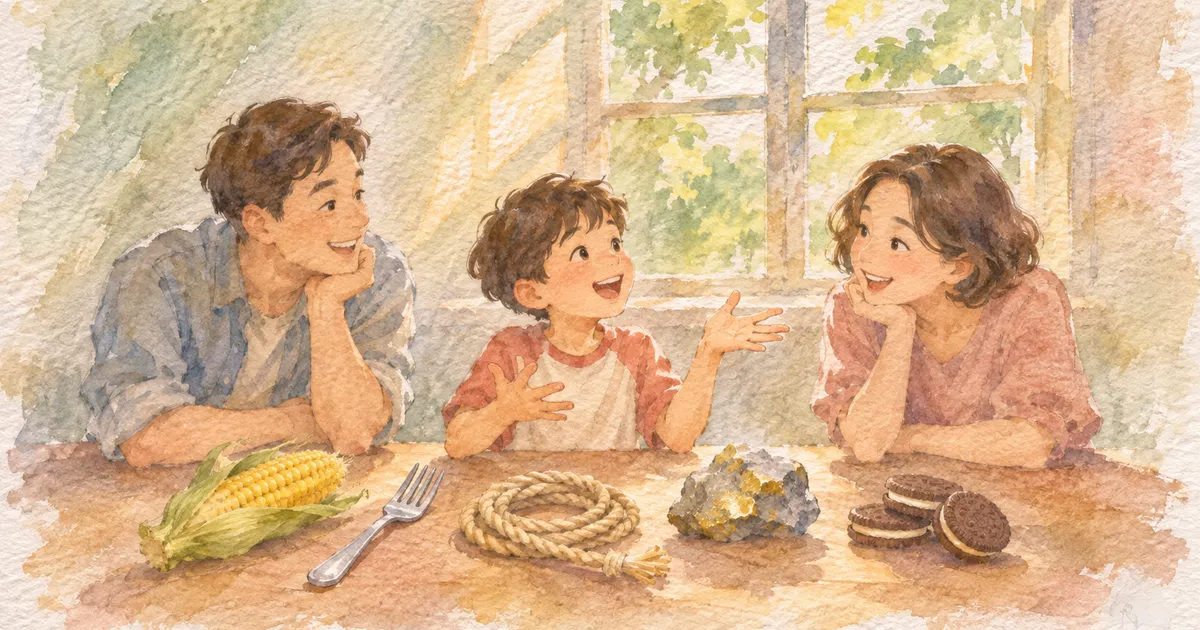
Or often appears before a consonant, as in fork; ore often ends a word, as in more. ‘or’ and ‘ore’ Words for Kids: A Practical Guide teaches this clue through four actions: hear, sort, read, and write. The pattern has exceptions: for, door, and four need separate attention.
What Children Need to Understand
Spelling starts by separating sounds from letters. Corn and core contain a similar vowel-and-r pronunciation but use different letters. Phonics courses may call this an “r-controlled” sound; spelling position offers a clearer clue when the final r is weak or silent.
In ‘or’ and ‘ore’ Words for Kids: A Practical Guide, children hear the shared spoken pattern in short, storm, shore, and store, then inspect the following letters. A consonant often follows or; ore commonly finishes the word.
Children must distinguish the complete words or and ore. Or joins choices: “Would you like an apple or a pear?” Ore is rock containing valuable material. Sentence meaning reveals the correct word.
How the Spelling Patterns Work
Position gives the first clue. In fork, or comes before k; in storm, before m. More and shore end with ore. Children can choose a likely spelling, then check a book or dictionary.
The patterns in ‘or’ and ‘ore’ Words for Kids: A Practical Guide are starting points, not universal rules. For, nor, and or end in or, while door and four use other letter groups. Children improve by comparing new words with known spellings.
Rules and Useful Word Families
The first rule in ‘or’ and ‘ore’ Words for Kids: A Practical Guide is to try or before a consonant. Examples include born, corn, fork, form, horn, north, short, sport, storm, and torch. Put each word in a phrase: “a short fork” or “a storm in the north.”
The second rule is to notice ore at a word’s end. Examples include bore, chore, core, more, score, shore, snore, sore, and store. Longer words may retain the sequence, as in before and explore.
Word stems explain endings. Store becomes stored or stores; score becomes scored or scoring. The final e disappears before -ing. Children can cover the ending, find the source form, and rebuild the word.
Adapting the Work for Different Ages and Accents
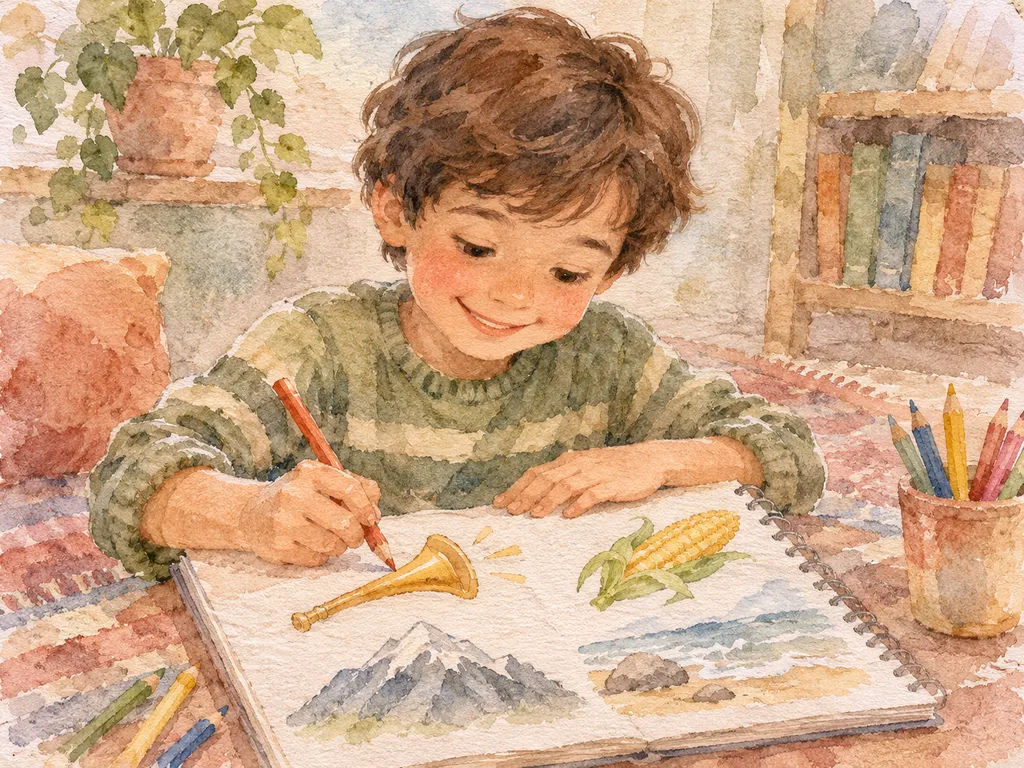
Younger children can start with four picture words: fork, corn, shore, and store. Say each word, match its picture, and sort it under or or ore. After four correct sorts, add one new pair.
Older children can explain each spelling choice and test it in a sentence. Multilingual learners may pronounce the vowel differently. Accent differences are not faults. Keep the written model stable while accepting natural English pronunciation.
Common Mistakes and Useful Corrections
A child may choose ore whenever they hear it because it looks complete. Ask: “Is another consonant coming next?” In short, t follows the target spelling, so or fits. Shore ends with ore.
Another mistake is dropping the final e in mor, stor, or shor. Compare the attempt with more. The final e is silent but remains part of the spelling.
Several words need individual attention. Work, word, world, worm, worse, and worth do not share the expected sound in numerous accents despite containing or. Put them in a separate “notice and remember” group instead of forcing the main pattern.
Practice Activities at Home or in Lessons
The exercises in ‘or’ and ‘ore’ Words for Kids: A Practical Guide progress from choosing letters to checking complete words. Ask your child to say, write, and read each word. The routine connects pronunciation, spelling, and meaning.
Practice 1: Add the Missing Spelling
Complete each word with or or ore: 1. f___k, 2. m___, 3. sh___t, 4. st___, 5. ch___, 6. c___n, 7. bef___, 8. n___th.
Answers: 1. fork, 2. more, 3. short, 4. store, 5. chore, 6. corn, 7. before, 8. north.
Before checking, group the completed words. One group has a consonant after or; the other ends in ore. Ask which clue supports each choice.
Practice 2: Find and Correct the Spelling
Correct one word in each sentence: 1. We need one mor plate. 2. Put the bag by the dor. 3. The ship is near the shor. 4. Use a foke to eat. 5. The hors ran north. 6. Please finish your cor.
Answers: 1. more, 2. door, 3. shore, 4. fork, 5. horse, 6. chore.
The second activity includes door and horse to prevent a narrow rule. Door uses a different spelling for a similar sound. Horse contains or, then s and a silent final e. Ask your child to explain both examples.
When a word has several meanings or pronunciations, Cambridge Dictionary is a useful check before turning it into child-friendly examples.
Frequently Asked Questions
How Can I Explain the Difference Between or and Ore?
Start with position. Or often comes before a consonant, as in fork and storm; ore often finishes a word, as in more and shore. Present this as a pattern, not a fixed rule, then show exceptions such as for and door.
What If My Child Pronounces These Words Differently?
Separate accent from spelling. English pronunciation varies across countries, regions, and families. Say each word naturally, compare its written pattern, and never require an unfamiliar accent. Spelling stays constant when the vowel or final r changes.
Does Ore Always Appear at the End of a Word?
No. It often finishes the source word, but an ending may follow: store becomes stored, and score becomes scores. The pattern appears at the end of longer words such as before. Remove the suffix and check the original form.
How Many Words Should My Child Practise at One Time?
Start with words your child can read and understand. Four to six words suit one short session. Mix old and new examples later, using each in a phrase or sentence. Add words once your child can select and explain the pattern without guessing.
How Should We Use This Guide Across the Week?
Use ‘or’ and ‘ore’ Words for Kids: A Practical Guide in short steps. On the first day, listen and sort. Next, read words in sentences. Then spell from memory and correct one or two errors. End the week by writing a sentence with one or word and one ore word.
A short one-to-one lesson can show what level and pace fit your child — book a trial English lesson.
Stay updated on our latest tips and resources by following us on Instagram LearnLink.