Graph and Chart Vocabulary in English for Kids
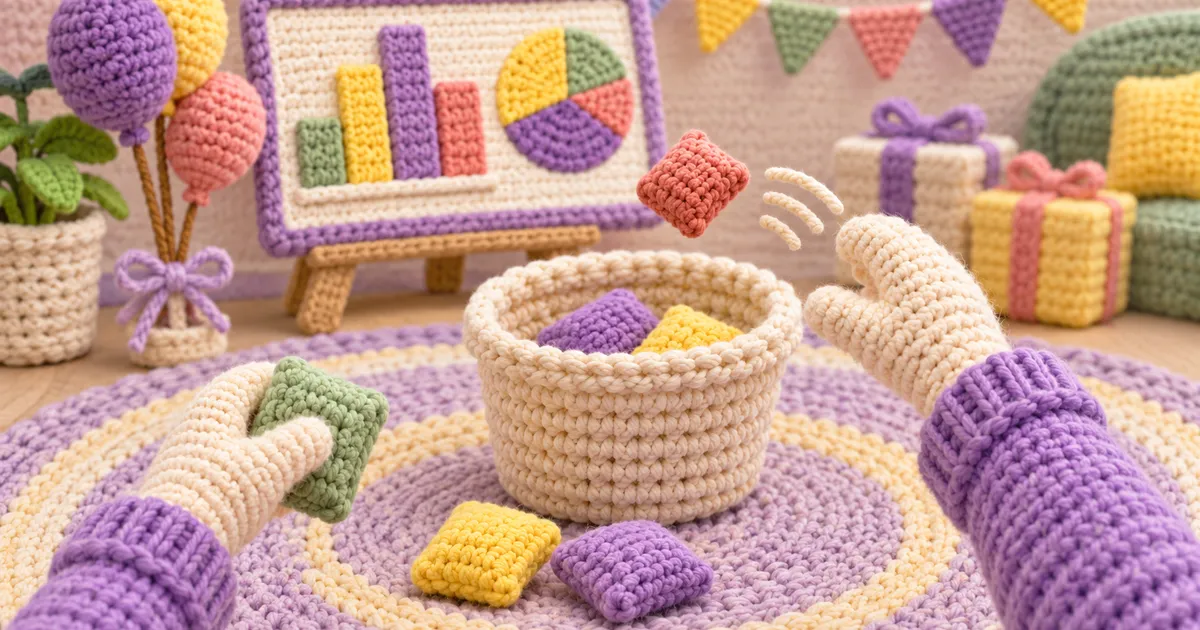
Graphs and charts turn numbers into shapes, lines, bars, or pictures children can describe and compare. Graph and Chart Vocabulary in English for Kids: Words and Activities teaches nouns such as data, label, and bar, plus phrases such as more than, the same as, and increased by. Children can chart favourite fruit, daily weather, books read, or travel to school. The goal is to read a display, explain its data, and ask focused questions.
Core Words and Useful Phrases
Begin with parts children can point to: the title names the subject, data are collected facts, and a label identifies a category or number. An axis is a numbered or named line. A scale defines each step; a key or legend explains colours and symbols.
Use Graph and Chart Vocabulary in English for Kids: Words and Activities as a speaking plan, not a memorisation list. Teach comparisons: most, least, more, fewer, equal, higher, and lower. For change over time, use rise, fall, increase, decrease, stay steady, and reach.
First graph checklist
- Read the title aloud.
- Point to each label.
- Check what one step or symbol represents.
- Find the highest and lowest values.
- Say one complete comparison sentence.
Examples Children Can Use in Context
Sentence frames support new graph vocabulary. Start with “The graph shows…,” “There are more…than…,” and “The same number of children chose….” A child might say, “The graph shows favourite snacks,” or “More children chose apples than crackers.” The frames connect English with data.
In Graph and Chart Vocabulary in English for Kids: Words and Activities, questions matter as much as statements. Ask: “Which category has the highest value?”, “How many children chose cycling?”, and “What changed between Tuesday and Friday?” Younger children can give a word or short phrase before forming a full sentence.
Older learners can cite evidence: “I know Thursday was warmer because its point is higher on the line graph.” They can describe differences: “The number rose by three,” or “The two categories are equal.” If the scale moves in steps of five, check it before answering.
Try a Quick Data Detective Task
Show your child a graph. Ask for its subject, highest value, lowest value, and one comparison. Then let your child ask about the graph.
Activities for Different Ages
For school-age kids, use objects and pictures. Sort toy animals by type, arrange rows, and ask, “Which row has more?” A pictograph can show one drawn circle for each sunny day. Keep the scale at one picture for one item until each symbol’s meaning is understood.
For school-age kids, collect family data. Record the weather for a week or survey relatives about fruit, pets, or transport. Graph and Chart Vocabulary in English for Kids: Words and Activities works best when children create and label the graph, then give two spoken comparisons.
For school-age kids, use line graphs, larger scales, and percentages that match their maths knowledge. Request a summary separating observation from explanation: “The line fell after Wednesday” describes the graph; “Perhaps the weather changed” needs supporting evidence.
Graph vocabulary myths and facts
Myth: A child must know advanced maths before describing a chart.
Fact: Young learners can begin by naming colours, counting pictures, and comparing two bars.
Myth: Every picture in a pictograph always means one item.
Fact: The key may say that one picture represents two, five, or another number of items.
Simple Ways to Practise
A short routine turns Graph and Chart Vocabulary in English for Kids: Words and Activities into spoken practice. Spend one minute naming parts, two minutes answering questions, and one minute summarising. Another day, cover the title and ask your child to propose one from the labels and values.
Vary the display, not the language. Use a bar graph on Monday and a pictograph on Thursday, keeping these frames: “The chart shows…,” “The greatest number is…,” and “There are fewer…than….” Repeated patterns provide stability while the data changes.
Across LearnLink lessons, our tutors place new words inside broader speaking tasks. At home, ask your child to present a graph to a grandparent or sibling. A multilingual child may discuss the data in another home language before giving a short English summary.
Common Mistakes and Clear Corrections
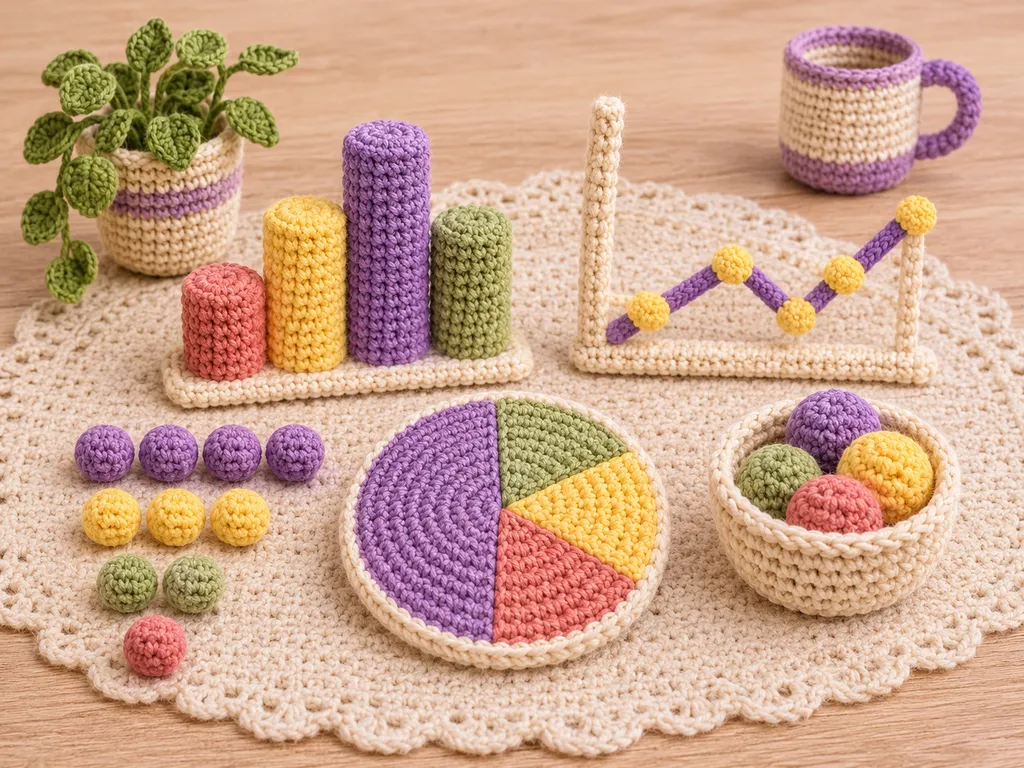
Children may use less with countable items: “less books.” Model “fewer books”; reserve “less” for amounts such as less water or less time. Children may call every display a graph. Accept the message, then provide the precise term: table, pictograph, bar graph, line graph, or pie chart.
Another error is reading bar height without checking the scale. A bar reaching four lines may represent 20 if each line stands for five. Ask, “What does each step mean?” Check pictographs too: half a symbol may represent half the amount stated in the key.
Graph and Chart Vocabulary in English for Kids: Words and Activities should distinguish high from many. A bar can be high; a category can contain many items. For line graphs, teach “the line rises” instead of “the numbers go up” for greater precision.
Quick tip Ask for one accurate sentence before requesting a longer explanation. Precision comes before length.
When a word has several meanings or pronunciations, Cambridge Dictionary is a useful check before turning it into child-friendly examples.
Frequently Asked Questions
Which Graph Words Should My Child Learn First?
Start with graph, chart, title, label, number, bar, picture, most, least, more, fewer, and same. Add axis, scale, key, and value when your child can identify those parts. Older learners can use increase, decrease, segment, and represent.
How Can Our Tutors Teach Graph Vocabulary Without Worksheets?
Use household items. Sort socks by colour, count spoons and forks, or record several days of weather. Arrange objects in rows as a physical bar graph, then compare the rows. Your child can draw the result, add labels, and explain one comparison aloud. The task combines counting, graph reading, and speaking.
How Long Should Graph Vocabulary Practice Take?
Graph and Chart Vocabulary in English for Kids: Words and Activities needs no long session. Five focused minutes can cover the title, labels, scale, and one comparison. Stop while your child remains attentive, then return with different data another day. Older children may spend longer creating a graph or explaining several changes, but keep the language goal focused.
What Should I Do If My Child Gives the Right Number in Incomplete English?
Confirm the reading, then model a full sentence without creating a test. If your child says, “Blue, six,” reply, “Yes, the blue bar has a value of six.” Request a repeat only when helpful. Reuse the pattern in the next question, offering another chance to produce the complete phrase independently.
If your child needs steady speaking practice, start small — choose a trial lesson.
Stay updated on our latest tips and resources by following us on Instagram LearnLink.