Phrasal Verbs with Bring for Kids
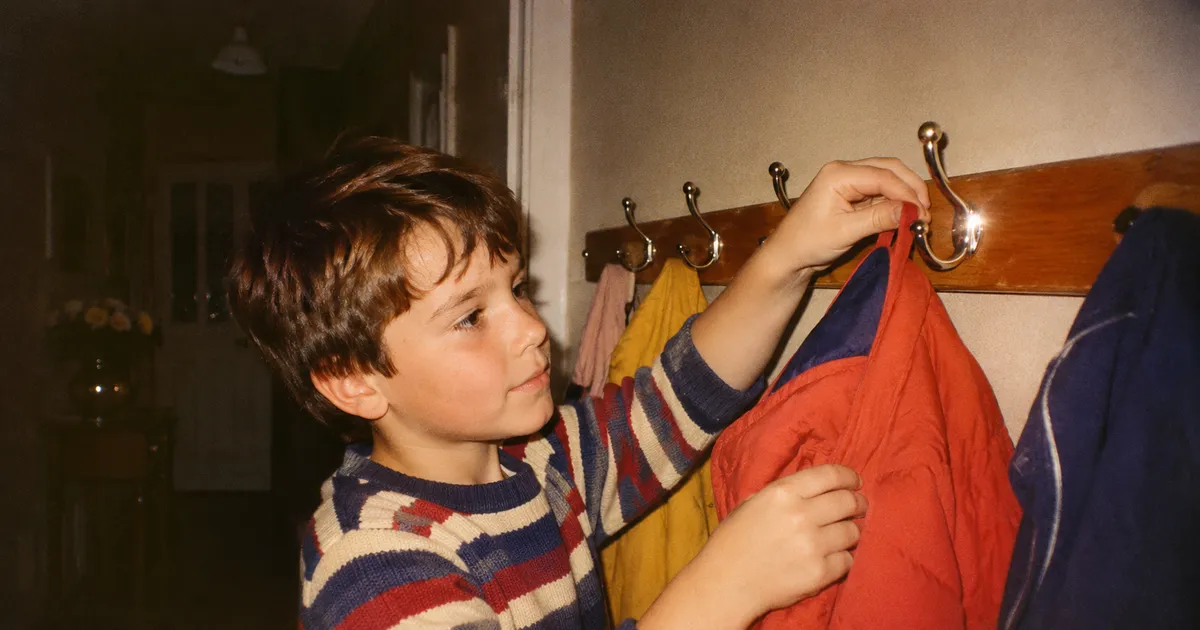
With back, up, or along, bring forms expressions with new meanings. Phrasal Verbs with Bring for Kids: A Practical Guide teaches core patterns, examples, and sentence practice. Bring back means return; bring up means mention. Children learn through situations, contrasts, and repetition.
What Children Need to Understand First
A phrasal verb combines two or three words into one meaning unit. In Please bring back my pencil, bring back means return. Learning bring alone is insufficient because the second word changes the expression.
In Phrasal Verbs with Bring for Kids: A Practical Guide, children meet each expression in context. Younger learners can act out bring along with a toy. Older learners can compare literal and figurative meanings, such as a song that brings back a past event.
How the Grammar Works
The verb carries the tense: bring in the present, brings after he, she, or it, and brought in the past. Compare: She brings her notebook along; She brought her notebook along yesterday. The following word stays unchanged.
Word order matters. A noun may precede or follow the second part: bring the book back or bring back the book. An object pronoun goes in the middle: bring it back, not bring back it. Phrasal Verbs with Bring for Kids: A Practical Guide follows this pattern throughout.
Useful Meanings and Examples
Teach these eight expressions through home, school, and social situations. Each sentence shows the intended meaning.
Ask who moves, what moves, and what changes. Then let the child describe the scene without the definition.
Quick context cards
- A borrowed object must go back to its owner.
- A family visit may include bringing a game over.
- A difficult subject can be brought up calmly.
- A group activity may bring out someone’s patience.
- A thoughtful action can bring about a useful change.
Choosing the Right Phrase and Word Order
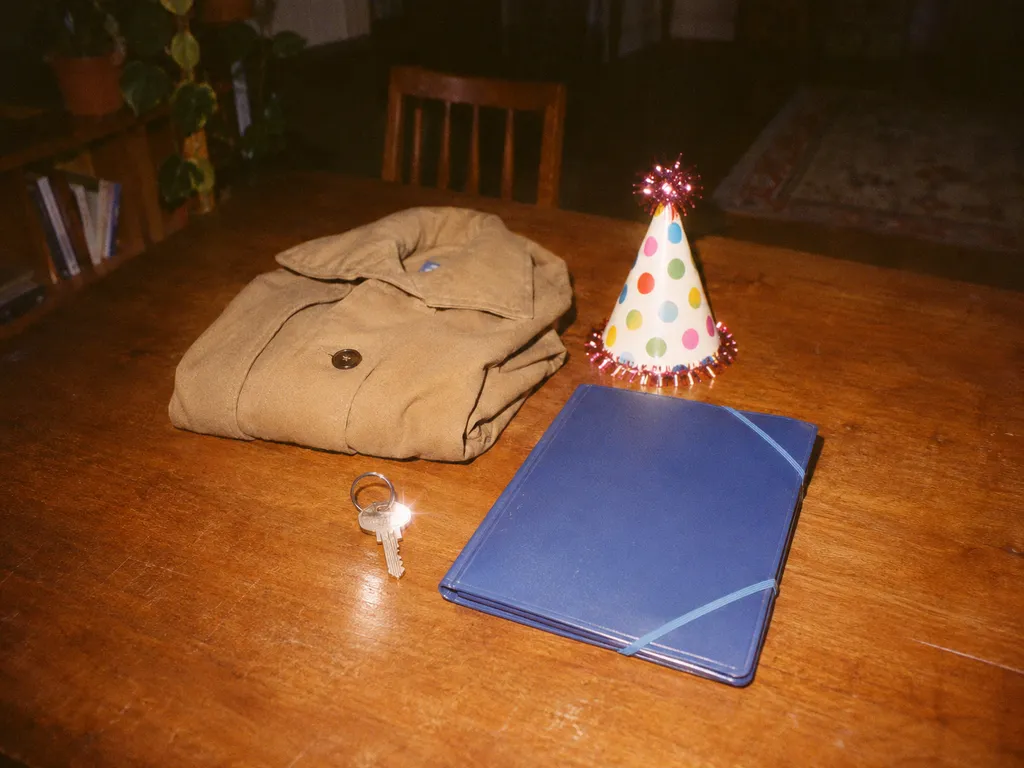
Choose by meaning. A returned coat is brought back. A coat carried to an event is brought along. A coat carried to someone’s home is brought over. Context determines the expression.
Pronoun check: Replace the object with it or them. With a separable phrase, put the pronoun between the verb and particle: bring it back.
Use Phrasal Verbs with Bring for Kids: A Practical Guide to compare bring and take. Bring presents movement towards a speaker, listener, or destination; take presents movement away. Compare Bring your folder here with Take your folder to class.
Correcting Common Mistakes
Children may use the incorrect past form bringed. The correct form is brought: We brought the costumes along. They may translate each word separately instead of learning the expression. Teach each phrase with a short example.
Myths and facts
Myth: The second word always keeps its physical meaning.
Fact: In bring up a question, nothing moves upwards; the phrase means mention.
Myth: An object pronoun can always follow the second part.
Fact: With a separable pattern, say bring it back, not bring back it.
Phrasal Verbs with Bring for Kids: A Practical Guide separates meaning errors from grammar errors. She brought up her bag follows a valid pattern but does not mean she returned the bag. Check both grammar and meaning.
Practice Activities
Begin with spoken choices. Read each situation, let your child choose the missing word, and request the complete sentence. Check its meaning and spelling.
Fill in the Missing Particle
Choose back, along, up, out, or about.
1. Please bring the scissors ___ when you finish.
2. May I bring my cousin ___?
3. He brought ___ a useful question.
4. Team games can bring ___ a child’s leadership skills.
5. Small changes can bring ___ better habits.
Answers: 1. back; 2. along; 3. up; 4. out; 5. about.
Next, check object placement. Have your child say each correction aloud to reinforce the pattern.
Replace the Object with a Pronoun
Rewrite each sentence with it or them.
1. Bring the ball back. → Bring ___ back.
2. Bring your friends along. → Bring ___ along.
3. She brought the question up. → She brought ___ up.
4. We brought the games over. → We brought ___ over.
Answers: 1. it; 2. them; 3. it; 4. them.
Finish with a two-minute challenge: give a meaning, such as return or mention, and request a sentence. LearnLink tutors adapt the practice to each learner’s age, language background, and confidence.
For the rule wording, Wikipedia — English Grammar is a useful reference while the practice examples here stay adapted for children.
Frequently Asked Questions
Which Phrasal Verbs with Bring Should a Child Learn First?
Start with bring back, bring along, bring over, and bring up. Children can picture them at home or school. Phrasal Verbs with Bring for Kids: A Practical Guide then introduces less literal choices, including bring out and bring about. Four phrases learned in context beat a long list.
Why Can My Child Understand a Phrasal Verb but Not Use It?
Recognition is easier than sentence production. A child may know bring back means return but need practice with tense or object position. Progress from choosing a meaning to completing a sentence, then creating an example. Short sessions across different days work better than one long worksheet.
Does My Child Need to Memorise Whether Each Phrasal Verb Is Separable?
Learn the pattern with the meaning. A model such as bring it back is easier to apply than an abstract label. Start with a noun, then replace it with it or them. The change reveals the required word order.
How Can a Multilingual Child Practise Without Translating Every Phrase?
Use actions, objects, and short situations before translation. Return a pencil for bring back, carry a toy for bring along, or mention a question for bring up. A sketch can show the scene. Translation may confirm meaning, but the English context should remain the memory cue.
Want to see how these ideas work in a real lesson — try a LearnLink trial lesson.
Stay updated on our latest tips and resources by following us on Instagram LearnLink.