Present Continuous Passive For Kids
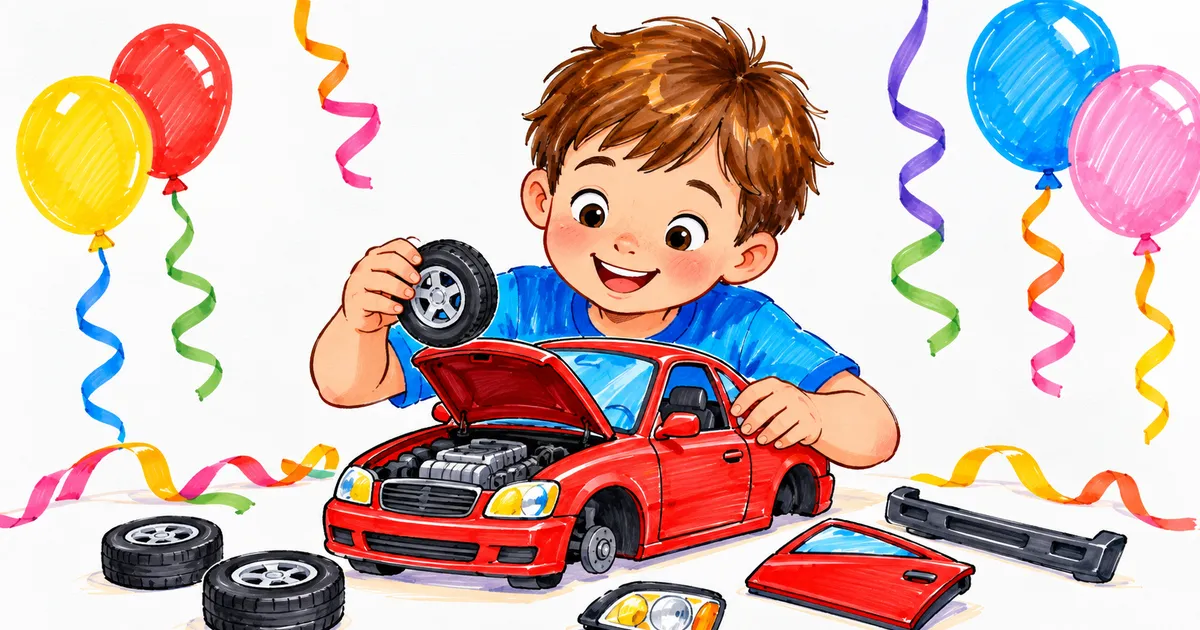
Introduce this form after children master two building blocks: present continuous (Dad is cooking) and passive (The cake is baked). Present continuous passive for kids means “something is happening to someone or something right now”: The cake is being baked, The books are being put away. A useful present continuous passive for kids guide pairs two facts: current action, receiving object. This form helps children describe school, home, games, and news using exact English.
📥 Present Continuous Passive Practice
Short family-friendly practice for noticing and using sentences like “The cake is being decorated.”
Leave your email — we'll send the PDF to your inbox.No spam — the PDF plus one short reminder. Unsubscribe anytime.
What Families Need to Know
Four-part form: am / is / are + being + past participle. Say The room is being cleaned, not The room is cleaning. Someone cleans the room; the room never performs that action.
Real scenes make present continuous passive for kids easier. Point toward a drawing and ask, “What is happening to the window?” Possible answer: The window is being opened. Attention stays on the window, not its opener.
Use this grammar selectively; not every sentence needs it. Children can still say Mum is opening the window. Choose passive form when the receiver matters more than the actor.
The Rule in a Child-Friendly Way
Family rule: “Start with the thing, add is being or are being, then use the done-word.” “Done-word” means past participle: made, washed, painted, written, taken. Younger children can master this pattern before learning its label.
One thing takes is being: The picture is being colored. Several things take are being: The toys are being sorted. Self-reference mainly takes am being: I am being helped.
Examples by Age
For school-age kids, connect language with visible action. Try short lines: The ball is being kicked, The door is being opened, The song is being sung. Hearing patterns matters more than knowing grammar terms.
Children can compare active and passive: say, The girl is drawing a cat, then change it to A cat is being drawn. This quick switch introduces present continuous passive for kids gently.
Older learners can use school and online-life examples: The project is being shared, The rules are being explained, The video is being recorded. Discuss why writers choose passive form for reports, instructions, and news.
How to Use This at Home
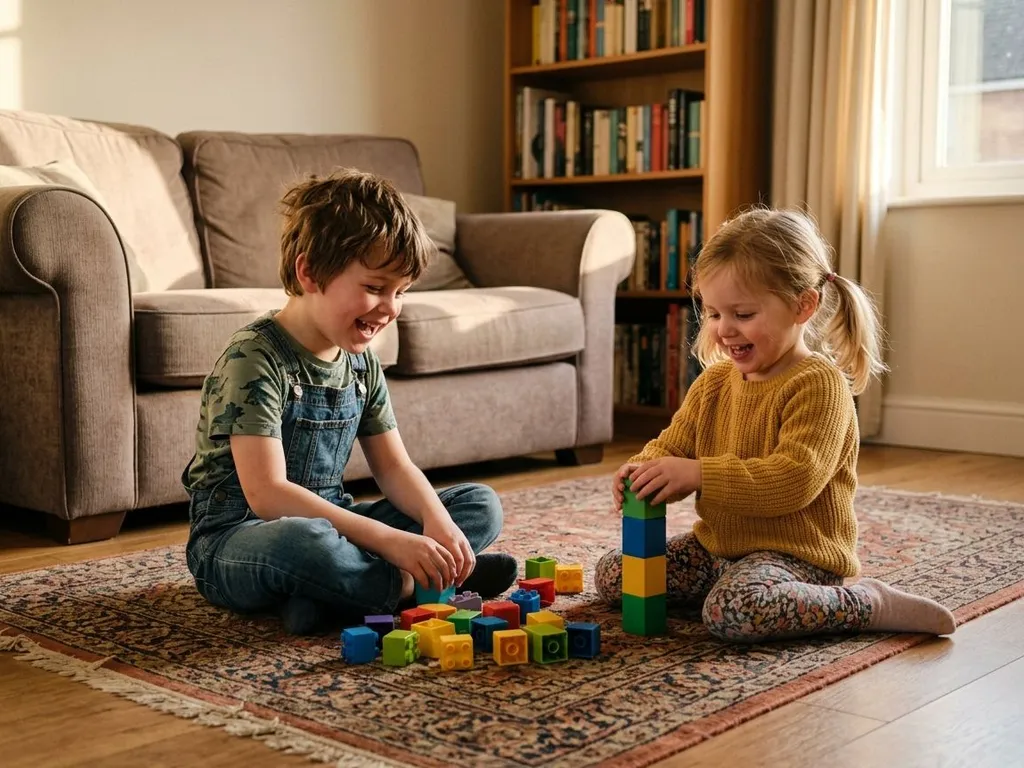
Choose one family moment: setting the table, packing a bag, washing fruit, building a tower. Ask, “What is being done?” One-word answers work; expand one into a sentence: The apples are being washed.
Keep correction small. If your child says, The apples are washing, respond with the correct form: “Yes, the apples are being washed.” Your model teaches naturally without turning practice into a test.
Connect grammar with drawings, toys, school tasks, hobbies, and short stories. Context makes present continuous passive for kids feel like a practical sentence tool, not a memorized rule.
Practical Activities
Short practice beats a long worksheet. Five minutes using exact examples can do more than twenty minutes of mixed grammar. Teach one form first, then introduce contrast.
Start with spoken answers, then writing. New online learners may need a calm sequence: hear it, say it, choose it, write it. That order reduces pressure and builds accuracy.
Fill in the Blank
Complete each sentence with is being or are being.
1. The cake ___ decorated.
2. The chairs ___ moved.
3. My picture ___ shown to the class.
4. The windows ___ cleaned.
Answers: 1. is being 2. are being 3. is being 4. are being
Change the Sentence
Turn each active sentence into the passive.
1. The boy is feeding the dog. → The dog is being fed.
2. The children are making cards. → The cards are being made.
3. Mum is packing the bag. → The bag is being packed.
Common Mistakes to Watch For
Main mistake: dropping being: The book is read instead of The book is being read. The first sentence sounds like a passive fact; the second shows action in progress.
Another mistake: wrong past participle: The song is being sing. Give children a small participle bank: made, done, seen, written, taken, given. Irregular verbs need repetition, not a long day-one list.
A third mistake: choosing passive when active sounds better. During family talk, My brother is eating the pizza sounds clearer than The pizza is being eaten by my brother. Present continuous passive for kids should add clarity, not weight.
When to Introduce This Grammar
Readiness signals include sentences such as She is reading, They are playing, and The door is closed. If those forms feel shaky, practise them longer first. Grammar grows in layers.
Do not worry when a 5-year-old understands meaning only through context; that still counts as progress. A 12-year-old can usually learn the full name, form, and usage reason. Teach the same grammar point at different depths.
For families, choice—not formal speech—remains the goal. Present continuous passive for kids gives learners another way to explain current events when the receiver matters most.
When a word carries several meanings or pronunciations, Cambridge Dictionary offers a useful check before you create child-friendly examples.
Frequently Asked Questions
What Is the Easiest Way to Explain Present Continuous Passive to a Child?
Say: “The thing is getting the action right now.” Then show a real example. If someone washes a cup, say, The cup is being washed. Save the grammar name for later when teaching a young child. Meaning comes first, then form.
At What Age Should Children Learn This Form?
Children can hear and repeat examples from age 7 or 8, but full control often comes later. Younger children can explore it through pictures and actions. Older children, especially school-age kids, can learn the rule and use it in school-style writing.
Why Is “Being” Needed in This Grammar?
In present continuous passive for kids, being marks action happening now. The room is cleaned can describe a state or routine. The room is being cleaned signals cleaning in progress. This distinction defines the key difference in present continuous passive for kids.
Should My Child Always Use the Passive Form?
No. Active sentences often sound clearer: The teacher is helping me. Passive sentences suit receiver-focused meaning: I am being helped. Children should learn both, then choose whichever form fits their meaning.
How Can We Practise Without Making Grammar Feel Heavy?
Use real actions and short turns. Ask, “What is being opened?” or “What is being made?” while your child draws, builds, cooks, or sorts toys. Stop after a few correct sentences. Small, steady practice builds confidence better than a long grammar drill.
Start your child's English journey today — book a trial lesson with LearnLink.
Stay updated on our latest tips and resources by following us on Instagram LearnLink.