Public Speaking Topics for Kids
The strongest public speaking topics for kids are short, familiar ideas that let a child explain, compare, or tell a small story without acting like an adult. A strong topic gives enough words to start and room to sound natural. For a younger child, that might be “my favourite animal.” For an older child, it might be “should homework be shorter?” The aim is ordered thinking, brave speaking, and steady English a listener can follow.
📥 Speak Up With Confidence
A choose-plan-speak practice pack for young presenters
Leave your email — we'll send the PDF to your inbox.No spam — the PDF plus one short reminder. Unsubscribe anytime.
What Families Need to Know
Public speaking grows in layers. First, a child stands, looks up, and says one idea. Then they add a reason. Later, they explain both sides, use examples, and close with a final point. The right public speaking topics for kids match age, English level, and confidence that day.
A child who speaks two or three languages may understand an idea before explaining it smoothly in English. Let them plan in another language if it helps, then choose plain English for the speech. Strong speaking needs order, voice, and meaning, not hard words.
For younger school-age kids, keep the task small: 30 to 60 seconds, three simple parts, and one object or picture they can point to if they forget. A useful frame is “I think,” “because,” and “for example.” For older school-age kids, children can usually handle a two-minute talk with an opening, two reasons, one short story, and a closing sentence. At this stage, public speaking topics for kids should still be close to real life, such as pets, school rules, favorite books, or helping at home.
One common mistake is choosing a topic that sounds mature but gives the child nothing personal to say. “Climate policy” may become memorized lines, while “How our family can waste less food” lets them explain, compare, and suggest. Practice should also stay active: rehearse once for order, once for voice, and once for eye contact, instead of repeating the whole speech ten times.
How to Choose a Topic
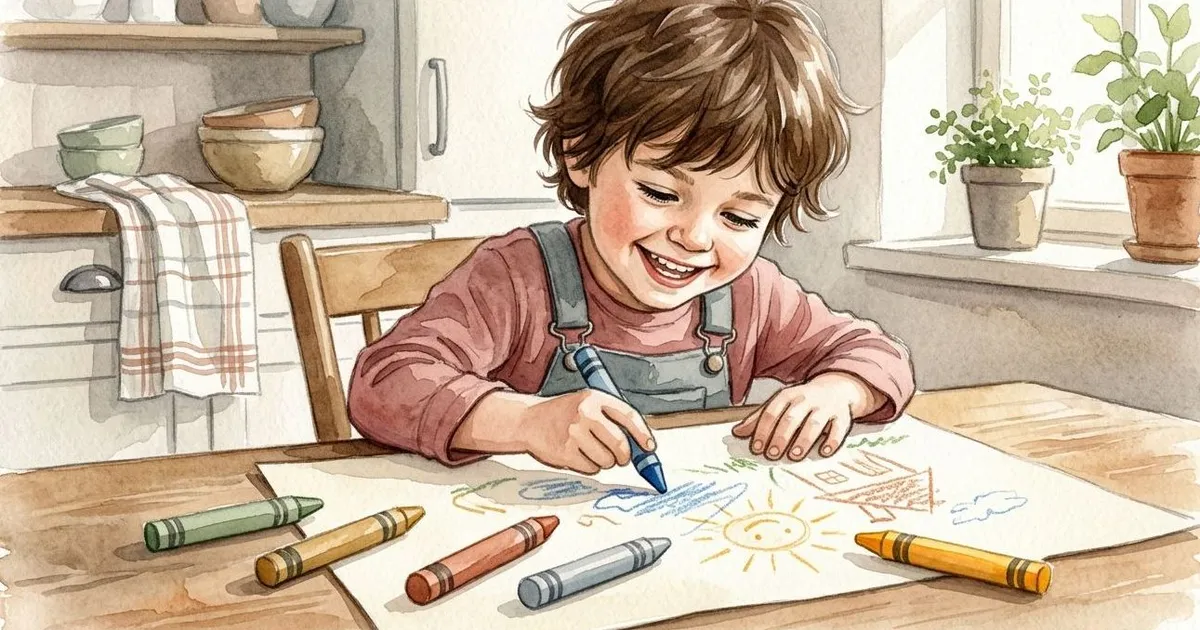
Start with what your child knows: family routines, pets, games, food, school, books, music, sports, places, or small opinions. Familiar topics lower stress because the child is not learning the idea and speech skill at once.
Effective public speaking topics for kids fit four types: “tell about,” “explain how,” “compare two things,” or “give an opinion.” If your child freezes, the topic is too wide. Change “the environment” to “three ways our family can use less plastic” or “why trees matter in our street.”
Examples by Age
For younger school-age kids, choose concrete topics: my family, my room, my favourite colour, my pet, my birthday, my snack, or one animal I like. Keep the speech to three or four sentences. A picture, toy, or drawing can support speaking.
For middle school-age kids, use topics with one reason: the playground game I like most, a place I want to visit, my favourite book character, why brushing teeth matters, or what makes a kind friend. At this age, public speaking topics for kids should stay close to daily life.
For older school-age kids, children can handle wider ideas: should school uniforms be required, how video games can help or hurt, why sleep matters, what makes a fair team leader, or how to welcome a new student. Older learners can practise introductions, examples, and endings.
How to Use a Topic at Home
Use a three-part frame: “I will talk about…,” “I think this because…,” and “My final point is….” The frame gives the child a path without writing the speech for them. Keep notes short; full scripts often make children look down and lose their natural voice.
In guided English practice, children can move from one-minute tasks to longer presentations. At home, use small steps: one sentence today, three tomorrow, then a short speech by the end of the week.
Try the 3-card Speech
Give your child three cards: “Start,” “Reason,” and “End.” For “my favourite animal,” the cards might say: “I like dolphins,” “They are smart and playful,” and “That is why dolphins are special to me.” Practise once with the cards, then once without them.
Practical Activities
Use objects before abstract ideas. Put five items on a table and ask your child to choose one, name it, describe it, and say why it matters. A spoon, shell, photo, pencil, or toy can become a first speech.
Try “two choices.” Ask, “Would you rather live near the sea or near the mountains?” The child chooses one and gives two reasons. This turns public speaking topics for kids into short, lively talks instead of formal performances.
For younger school-age kids, keep the task to 30 seconds and use a three-part frame: “I chose…,” “It reminds me…,” and “One thing I want you to know is….” Give the child three quiet seconds to think before speaking. Many children rush because they believe silence means they are stuck, so practice one calm breath before the first sentence.
For older children, turn the same activity into a mini classroom debate. Write four everyday topics on slips of paper, such as school uniforms, pets in class, longer recess, or screen-free weekends. Each child picks one, states an opinion, gives two reasons, and ends with a question for listeners. This teaches structure without making public speaking topics for kids feel scripted.
Common Mistakes to Avoid
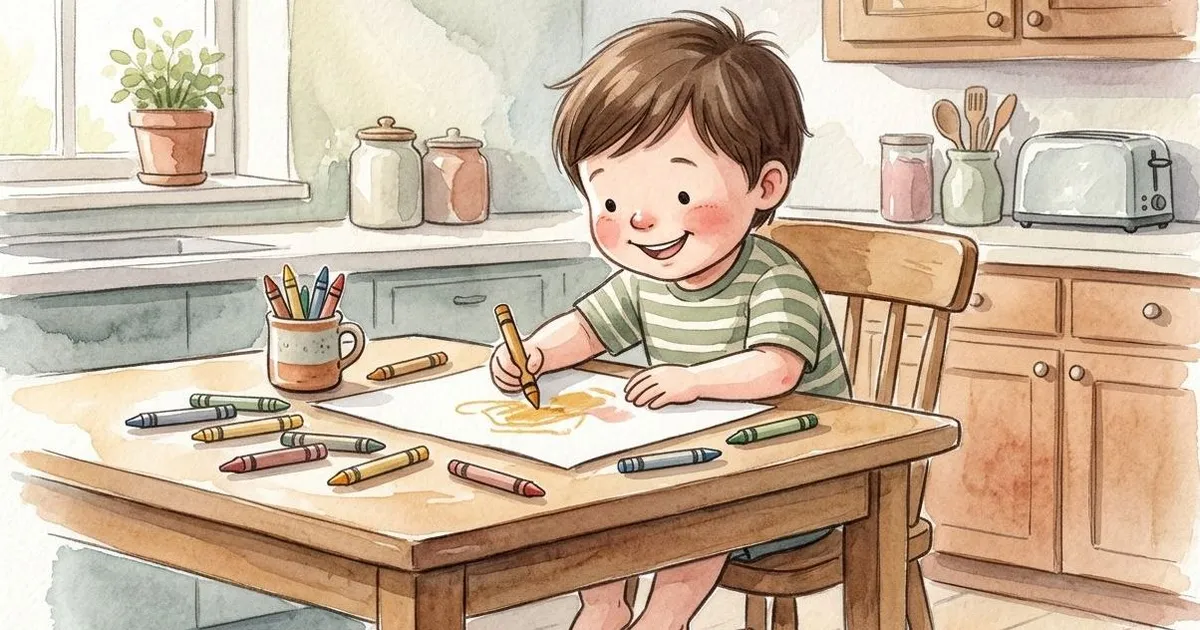
Do not correct every grammar error while the child is speaking. Stop-start correction can shrink a nervous child’s voice. Note one language point, such as past tense or word order, and discuss it after the speech.
Do not choose topics only because they sound impressive. “Climate policy” may be too large, while “one thing our family can recycle this week” is teachable. The right topic helps the child speak with more order, not sound more grown-up.
- Choose three public speaking topics for kids in the 4-15 age range.
- Practice one speech twice using the sandwich technique: point, example, point.
- Record a sixty second answer and replay it for one clear improvement.
- Use a favorite picture book to spark two personal story ideas.
- Ask your child to pause three seconds before answering any question.
When a word has several meanings or pronunciations, Cambridge Dictionary is a useful check before turning it into child-friendly examples.
Frequently Asked Questions
How Long Should a Child’s Speech Be?
For younger school-age kids, 20-40 seconds is enough. For middle school-age kids, aim for one minute. Older children can work toward two or three minutes if the topic is focused. Short speeches build confidence because the child can finish and remember success.
What If My Child Is Too Shy to Speak?
Start with one parent, one sibling, or a favourite toy. Let your child sit first, then stand later. Choose gentle public speaking topics for kids such as “my favourite food” or “a game I like.” Confidence grows when the task feels possible.
Should My Child Memorise the Whole Speech?
No. Memorising every word can make a child panic if they forget one sentence. It is better to remember the order: start, two points, ending. Key-word cards help children speak in their own voice while staying organised.
Can Public Speaking Help English Learning?
Yes, when the task fits the age. Speaking topics help children practise vocabulary, sentence order, pronunciation, and listening to questions. The goal is not to remove every accent or mistake. The goal is for your child to express one idea in English with growing ease.
Start your child's English journey today — book a trial lesson with LearnLink.
Stay updated on our latest tips and resources by following us on Instagram LearnLink.