Swimming Pool Vocabulary in English for Kids
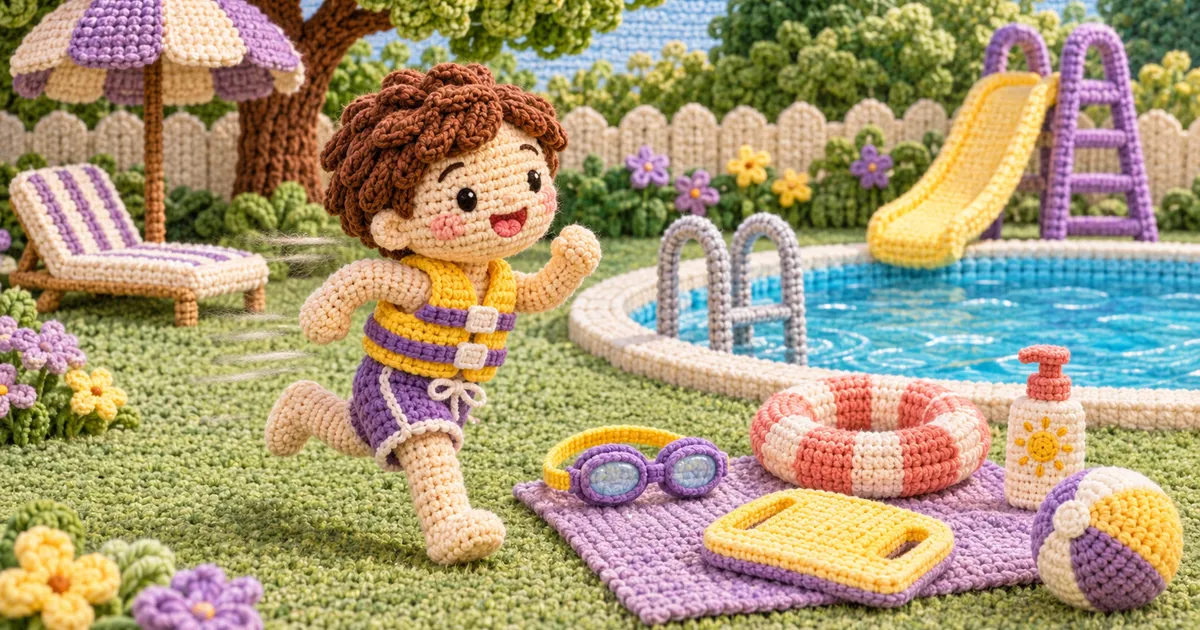
Swimming Pool Words in English for Kids: Words and Activities covers nouns, actions, descriptions, and pool phrases. Begin with pool, water, towel, swimsuit, goggles, swim, kick, float, and splash. Practise sentences such as “My goggles are in my bag” or “May I get in the water?” Pointing, moving, choosing objects, and answering questions strengthen recall. Older learners can add rules, directions, and detailed descriptions.
📥 My Swimming Pool Vocabulary Pack
Learn useful pool words and phrases, then practise them during the week.
Leave your email — we'll send the PDF to your inbox.No spam — the PDF plus one short reminder. Unsubscribe anytime.
Core Words and Phrases for the Pool
Teach Swimming Pool Words in English for Kids: Words and Activities by purpose. Start with visible objects, then add actions, descriptions, and safety phrases. This sequence moves learners from naming objects to forming sentences.
Teach visible contrasts together: wet and dry, deep and shallow, fast and slow. Practise safety phrases as complete units: “Please help me,” “I need a break,” “Where is the shallow end?” and “May I get in?” Children should recall each phrase without assembling separate words.
Pool terms vary by country. Swimsuit and swimming costume can name the same item; trunks and swim shorts are both standard. Armbands may be called water wings. Teach one term for active use, then explain alternatives encountered in lessons, signs, or videos.
Putting Pool Vocabulary into Context
When practising Swimming Pool Words in English for Kids: Words and Activities, progress from words to short exchanges. Ask, “What do you need?” A child might answer, “I need my towel and goggles.” Ask, “What can you do in the water?” The answer could be, “I can kick and float.”
Combine location words with pool vocabulary. A towel can be on the chair, goggles in the bag, and a kickboard next to the pool. Try “Put the towel beside the bag” or “Point to the steps.” These tasks test meaning and memory.
Children need language for current events. Compare “I swim on Saturdays” with “I am swimming now.” Pool examples include “My brother is splashing,” “We are waiting by the steps,” and “The instructor is holding the kickboard.” Use familiar people instead of invented names.
Activities for Different Ages
School-age Kids: Point, Choose, and Move
Choose five or six concrete words: towel, goggles, pool, kick, splash, and dry. Say a word; your child points to the object or mimes the action. Reverse roles: your child points or moves, and you name the word. Finish with one pattern, such as “These are my goggles.”
School-age Kids: Pack the Pool Bag
Place real items or picture cards on a table. Give instructions: “Put the towel in the bag. Leave the kickboard out.” Then let your child direct your packing. The activity combines verbs, position words, and listening practice without becoming a test.
School-age Kids: Solve a Pool Problem
Role-play practical needs. A learner has forgotten a towel, cannot find the shallow end, or needs to ask when a lane opens. Older children can compare regional terms or explain a rule. The goal is accurate communication, not memorised lists.
Simple Ways to Practise at Home
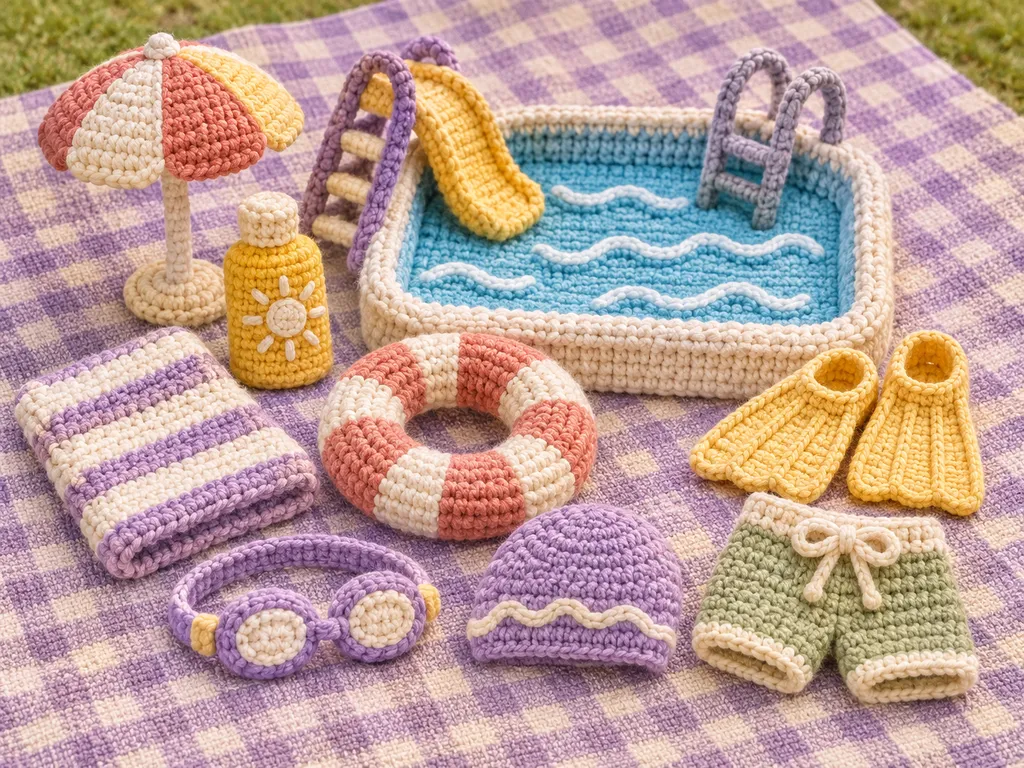
For home review, practise Swimming Pool Words in English for Kids: Words and Activities in brief rounds. Review later the same day, the next day, and during the week. Vary each task: point, sort, draw, act, ask, or describe.
Across LearnLink lessons, our tutors reuse vocabulary through questions, movement games, and guided speaking. Parents can continue with a pool drawing, toy figure, or swimming bag. Pool access is unnecessary.
Pool Bag Challenge
Place a towel, goggles, a swim cap, and two unrelated objects on a table. Ask your child to select pool-bag items and explain each choice: “I need goggles to see in the water.” Remove one item and ask, “What is missing?”
Finish with an achievable task. Ask for three items, two actions, and one safety phrase. Record words that still need prompts, then begin the next session with those words before adding a new set.
Common Mistakes and How to Correct Them
Teaching nouns without sentences limits communication. A child may know goggles but cannot request them. Pair every noun with a sentence frame: “Where are my goggles?” “My goggles are wet.” “I cannot find my goggles.” One word then supports several needs.
Action verbs often cause grammar errors: “I am swim” or “I can swimming.” Model “I am swimming” and “I can swim.” Ask for one complete repetition, then continue. Constant correction can turn a speaking game into an oral exam.
Do not reject a regional term that is standard elsewhere. Say, “Yes, swimming costume and swimsuit can mean the same thing.” Separate language practice from physical permission. Knowing dive or deep end never overrides pool signs, facility rules, or staff instructions.
- Choose five pool words and ask your child to point before speaking.
- Model each word clearly, then invite one careful repetition without pressure.
- Correct mistakes by repeating the full phrase naturally, not interrupting mid-sentence.
- Sort six picture cards into pool objects, actions, and safety items.
- Finish with a three-clue guessing game using today’s swimming pool words.
When a word has several meanings or pronunciations, Cambridge Dictionary is a useful check before turning it into child-friendly examples.
Frequently Asked Questions
How Many Swimming Pool Words Should a Child Learn at Once?
Swimming Pool Words in English for Kids: Words and Activities can start with five or six words for a younger learner. Choose connected words: pool, towel, goggles, swim, kick, and wet. An older or experienced learner may manage a larger set, but recall outweighs list length. Add vocabulary after the child understands the first set in short sentences.
Can a Multilingual Child Use Another Language During Practice?
Yes. A home language can confirm meaning, especially for new vocabulary or safety phrases. After checking the idea, return to English and form a short sentence. Languages the child knows need no concealment. The goal is fast understanding and recall of each English pool phrase.
Should Every Pronunciation Error Be Corrected?
No. Correct errors that block meaning or affect the current target word. Model the form naturally and invite another attempt: “Yes, goggles. My goggles are wet.” When meaning remains understandable, postpone minor pronunciation points. A short, accurate model avoids interrupting every sentence.
How Can a Child Practise Pool Vocabulary Without Visiting a Pool?
Use a pool picture, toys, household objects, or role-play. Your child can pack a pretend swimming bag, label a drawing, direct a toy swimmer, or act out kick, float, and splash on dry ground. Video clips provide listening practice; pause each clip for naming objects and describing actions.
If your child needs steady speaking practice, start small — choose a trial lesson.
Stay updated on our latest tips and resources by following us on Instagram LearnLink.