This, That, These and Those for Kids
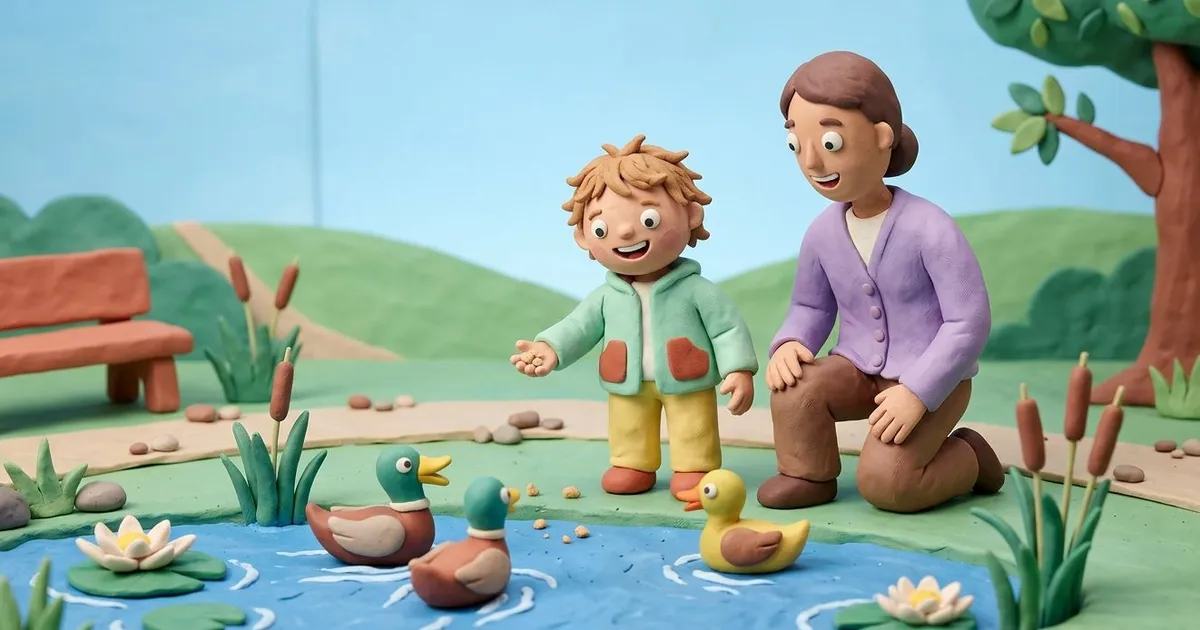
This, That, These and Those for Kids for Kids follows two rules follows a simple rule: use this or these for nearby nouns; that or those for distant nouns. This and that name one person, animal, place, or thing; these and those name multiple people, animals, places, or things. Let your child hold a pencil and say, “This is my pencil,” then point across the room: “Those are my shoes.” Pointing and movement reinforce this rule.
📥 This, That, These and Those for Kids
Practice words for near and far things
Leave your email — we'll send the PDF to your inbox.No spam — the PDF plus one short reminder. Unsubscribe anytime.
Why These Four Words Matter
Demonstratives identify specific nouns. Among three books are on a table, “Give me that book” selects one farther from the speaker.
Children use demonstratives while choosing food, finding clothes, describing pictures, or sharing objects: “I like these grapes,” “Is that your coat?” and “This game is fun.”
Teaching This, That, These and Those for Kids with real objects makes meaning visible. Multilingual children may already understand distance and number, although another language may express both differently.
The Four-word Rule at a Glance
Number plus distance determines each choice. To explain This, That, These and Those for Kids, choose singular or plural first, then near or far.
Demonstratives can precede nouns: “this chair” or “those pictures.” When listeners understand the noun, either form works alone: “This is mine” or “Those are beautiful.”
Near and Far Depend on the Speaker
Near and far remain relative. A toy held by your child becomes “this toy”; a bicycle outside may become “that bicycle.” During a video call, a child holding a drawing near the camera can say, “Look at this.”
Viewpoint changes wording. Beside a box, your child may say, “These blocks are blue.” Across the room, you may call those same objects “those blocks.” Both choices remain correct.
While practising This, That, These and Those for Kids, pair each word with a gesture. Touch or hold objects for this and these; point away for that and those.
Sentence Patterns Children Can Reuse
Start with statements: “This is a cat,” “That is our bus,” “These are my crayons,” and “Those are your gloves.” Singular forms take is; plural forms take are.
Next, ask: “What is this?”, “Who is that?”, “What are these?” and “Who are those children?” Yes-or-no questions use the same pattern: “Is this yours?” and “Are those clean?”
Older children can apply demonstratives to ideas. “This is what I mean” refers to a current point; “That was a difficult question” refers to an earlier one. Begin with visible objects.
Teaching the Rule at Different Ages
Young children need nearby objects and short sentences. Place one toy nearby and two farther away; ask, “What is this?” or “What are those?” Accept pointing before requiring a sentence.
Children can sort object cards into four groups, then explain each choice. Let them become the caller: “Find these pencils” or “Touch that door.” This role reversal checks independent use.
Older learners can compare photos, describe rooms, or correct dialogues. LearnLink tutors match each task to your child’s language level instead of treating age as a fixed grammar stage.
Short Practice Activities
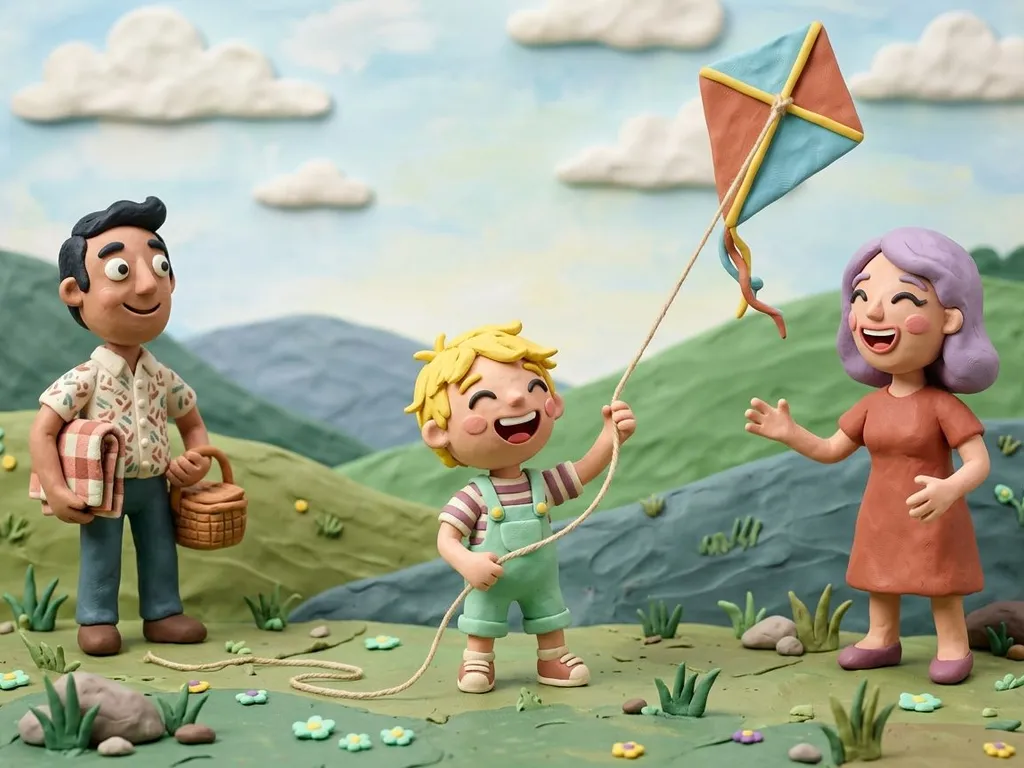
Short, repeated practice beats one long drill. For This, That, These and Those for Kids, vary objects and positions while repeating grammar patterns.
Ask your child to answer aloud before checking; spoken answers reveal their understanding of number and distance.
Choose the Correct Word
Fill each gap with this, that, these, or those.
1. ___ pencil in my hand is sharp.
2. ___ shoes beside my feet are wet.
3. ___ plane high in the sky looks small.
4. ___ houses across the river are white.
5. ___ apple here is for you.
6. ___ birds on the distant roof are noisy.
Answers: 1. This; 2. These; 3. That; 4. Those; 5. This; 6. Those.
Change One into More than One
Rewrite each sentence in the plural.
1. This book is new.
2. That kite is red.
3. Is this your sock?
4. Is that a star?
Answers: 1. These books are new. 2. Those kites are red. 3. Are these your socks? 4. Are those stars?
Correct the Demonstrative
Change only the incorrect demonstrative.
1. These cat is sleeping.
2. That shoes are muddy.
3. Is those bus late?
4. These sandwich smells good.
Answers: 1. This cat is sleeping. 2. Those shoes are muddy. 3. Is that bus late? 4. This sandwich smells good.
Common Mistakes and Simple Corrections
During This, That, These and Those for Kids practice, tackle the main error first—singular-plural mixing: “this books” or “those car.” Ask, “One or more than one?” before discussing distance.
Children may say “these is” or “that are.” Practise four chunks: this is, that is, these are, and those are. Then add nouns.
Different viewpoints can support sensible distance choices. Ask your child to point instead of rejecting an answer. When noun and verb agree, perceived nearness may differ.
- Practise “this” and “that” with two toys placed near and far.
- Use “these” and “those” while sorting four objects into nearby and distant groups.
- Correct one mistake gently, then ask your child to repeat the sentence.
- Read a picture book with children ages six to eight; identify examples.
- Review This, That, These and Those for Kids for five minutes daily.
When a word has several meanings or pronunciations, Cambridge Dictionary is a useful check before turning it into child-friendly examples.
Frequently Asked Questions
At What Age Can a Child Learn These Demonstratives?
Children can learn this contrast once they follow directions and distinguish one from many. Younger learners can use toys, food, or clothes with younger learners. Older children can learn singular, plural, and demonstrative through pointing and object movement.
Why Does My Child Confuse This and That?
Your child may judge distance from another position. Stand beside them, point toward the same object, and model the sentence. Swap places and compare choices. Keep singular and plural examples separate until they master the near–far contrast.
Should I Correct Every Mistake at Once?
No. Correct only the skill being practised. During This, That, These and Those for Kids work, repeat the sentence with the correct demonstrative: “Yes, those shoes are wet.” With multiple errors, model one sentence and invite another attempt.
How Can I Support a Child Who Speaks Several Languages?
Compare how each language marks number and distance. Some languages use more distance levels or different demonstratives. Treat differences as knowledge, not interference. Reuse the same four-object English setup, then request each choice through pointing, words, or both.
Want to see how these ideas work in a real lesson — try a LearnLink trial lesson.
Stay updated on our latest tips and resources by following us on Instagram LearnLink.