The Verb “To Have”: A Guide for Kids
To have expresses possession, relationships, experiences, and states. The Verb “To Have” for Kids: A Practical Guide teaches have, has, had, negatives, and questions. Children progress from “I have a blue bag” to “She has two cousins” and “We had lunch at noon.” Form poses the challenge: English changes verbs after he, she, and it, yet keeps base forms after does or did.
📥 The Verb “To Have”: Practice for Kids
Build accurate statements, negatives, and questions about possession and everyday experiences
Leave your email — we'll send the PDF to your inbox.No spam — the PDF plus one short reminder. Unsubscribe anytime.
What Children Need to Understand
Place three familiar objects on a table. Model “I have a pencil,” “She has a bicycle,” and “They have a new game.” Have your child describe each object; visible items make The Verb “To Have” for Kids: A Practical Guide concrete.
Beyond ownership, have describes relationships, features, and states: “I have two sisters,” “The dog has long ears,” and “We have a problem.” Complete chunks such as “have breakfast,” “have fun,” and “have a cold” express no ownership; teach each whole phrase.
Learning sequence: spoken have/has statements, written negatives and questions, then present-past-future comparisons. When your child’s first language expresses possession differently, favour complete English patterns over word-for-word translations.
Core Forms at a Glance
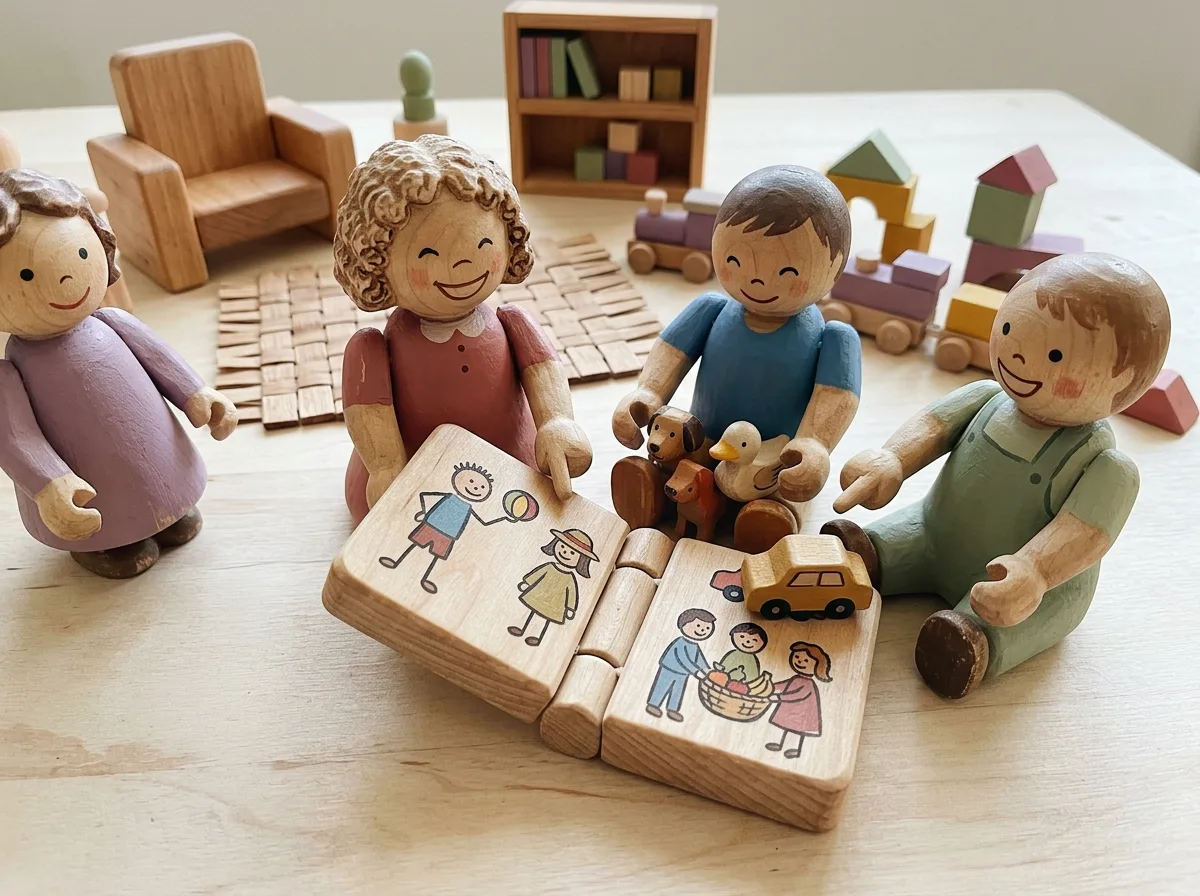
In the present simple, I, you, we, and they take have; he, she, it, and singular nouns take has: “The classroom has twelve chairs.” The Verb “To Have” for Kids: A Practical Guide targets English change.
I have a blue bag.
She has two cousins.
We had lunch at noon.
He is having breakfast.
They have got a new game.
The dog has got long ears.
I do not have a ruler.
He does not have a ticket.
Had fits every past-tense subject. After did, use have: “Did she have breakfast?” For the future, place will have after the subject. Practise each pattern with three subjects.
Building Statements, Negatives, and Questions
Statement pattern: subject + have, has, or had + details. Write “You have a kind teacher,” then swap one element: you with she, have with has, or teacher with friend. Repeat with “My tablet has a black case” and “Our neighbours had a party.”
Present-simple negatives require do not or does not: “I do not have a ruler” and “He does not have a ruler.” Informal speech and writing often use don’t and doesn’t. Because does already marks third-person singular, say “She doesn’t have,” not “She doesn’t has.”
Place do or does before the subject: “Do you have a pet?” and “Does your school have a library?” Short answers: “Yes, I do,” “No, I don’t,” “Yes, it does,” and “No, it doesn’t.” Past questions use did: “Did they have fun?” “Yes, they did.”
Possession, Have Got, and Other Uses
“I have a red coat” and “I have got a red coat” both express possession. Have got appears frequently in British English; plain have works internationally. Patterns differ: “Have you got a coat?” and “I haven’t got a coat.” Keep both systems separate.
Memorise fixed expressions as chunks: “have lunch,” “have a shower,” “have a rest,” “have a lesson,” and “have a good idea.” A meal picture should prompt “They are having lunch,” not “They own lunch.”
Older learners meet have as a helping verb: “We have finished” and “She has seen that film.” Here, have + past participle forms the present perfect, separate from possession. Use having for activities such as “He is having breakfast,” never ownership: “He is having a bicycle.”
Common Mistakes and Clear Corrections
Common early error: singular third-person subject + have, as in “She have a book.” Ask whether the subject could become he, she, or it. If yes, present-simple statements need has: “She has a book.” This rule covers “My friend has” and “The bus has.”
Double marking causes another error. Change “Does he has a ticket?” to “Does he have a ticket?” and “She didn’t had time” to “She didn’t have time.” The Verb “To Have” for Kids: A Practical Guide offers a quick correction: circle does or did, then return the next verb to its base form.
Children may confuse contractions. In “I’ve got a question,” I’ve means I have. In “I’d had breakfast,” I’d means I had, though this structure remains advanced. Teach each full form before its contraction; complete sentences connect sound and meaning.
Practice at Home or in a Lesson
The Verb “To Have” for Kids: A Practical Guide works through five-minute practice using familiar objects, foods, pets, school items, or hobbies. Choose have, has, or had; say a complete sentence; then make it negative or turn it into a question.
Have your child say every answer before writing. LearnLink tutors adapt this pattern for beginners naming toys or older learners comparing tenses. Target grammatical accuracy plus understood meaning.
Exercise 1: Choose Have, Has, or Had
Complete the sentences.
1. I ___ a green notebook.
2. The cat ___ white paws.
3. We ___ a picnic yesterday.
4. My friends ___ music lessons on Fridays.
5. He ___ a headache last night.
6. This game ___ three levels.
Answers: 1. have; 2. has; 3. had; 4. have; 5. had; 6. has.
For the rule wording, Wikipedia — English Grammar is a useful reference while the practice examples here stay adapted for children.
Frequently Asked Questions
At What Age Can a Child Learn Have and Has?
Children can use have and has once they form short English sentences. A 4- or 5-year-old can practise orally with toys and pictures. School-age children can add written negatives and questions; older learners can study had, will have, and helping-verb forms.
What Is the Simplest Rule for Have and Has?
Use has with he, she, it, and one person or thing. Use have with I, you, we, they, and plural nouns. The Verb “To Have” for Kids: A Practical Guide highlights one exception: after does, use have—“Does she have a bike?”
Should My Child Learn Have Got as Well as Have?
Yes, especially when your child hears English from different countries. “I have a sister” and “I have got a sister” express the same idea. Teach complete units: “Do you have?” with have, and “Have you got?” with have got. Mixed patterns sound unnatural.
Why Is It Does She Have Rather than Does She Has?
In present-simple questions, does carries the marker for he, she, or it; the following verb keeps its base form: “Does she have?” Negatives follow the same pattern: “She has a ticket,” but “She doesn’t have a ticket.” Compare both sentences side by side.
How Can We Practise Without a Worksheet?
Try an object hunt. One person says, “Find something that has four legs.” The other finds an object and answers in a full sentence. Compare two rooms, describe pictures, or ask “Do you have…?” questions. Five focused minutes with prompt corrections beats a long, tiring drill.
Want to see how these ideas work in a real lesson — try a LearnLink trial lesson.
Stay updated on our latest tips and resources by following us on Instagram LearnLink.