Was and Were for Kids: A Practical Guide
“Was” and “were” are the past forms of “be.” Children use them for past feelings, places, states, and actions in progress. Was and Were for Kids: A Practical Guide helps families teach the rule without a long grammar lesson: use “was” with one person or thing, “were” with more than one, and “were” after “you.” Once children can say “I was tired,” “They were at school,” and “You were happy,” they have the base.
📥 Was and Were Practice for Kids
Simple sentences, questions, and fixes for past-time grammar
Leave your email — we'll send the PDF to your inbox.No spam — the PDF plus one short reminder. Unsubscribe anytime.
What Children Need to Understand First
Children do not need a full grammar lecture before “was” and “were.” They need time contrast. “Am,” “is,” and “are” talk about now. “Was” and “were” talk about before now: yesterday, last week, this morning, when I was five.
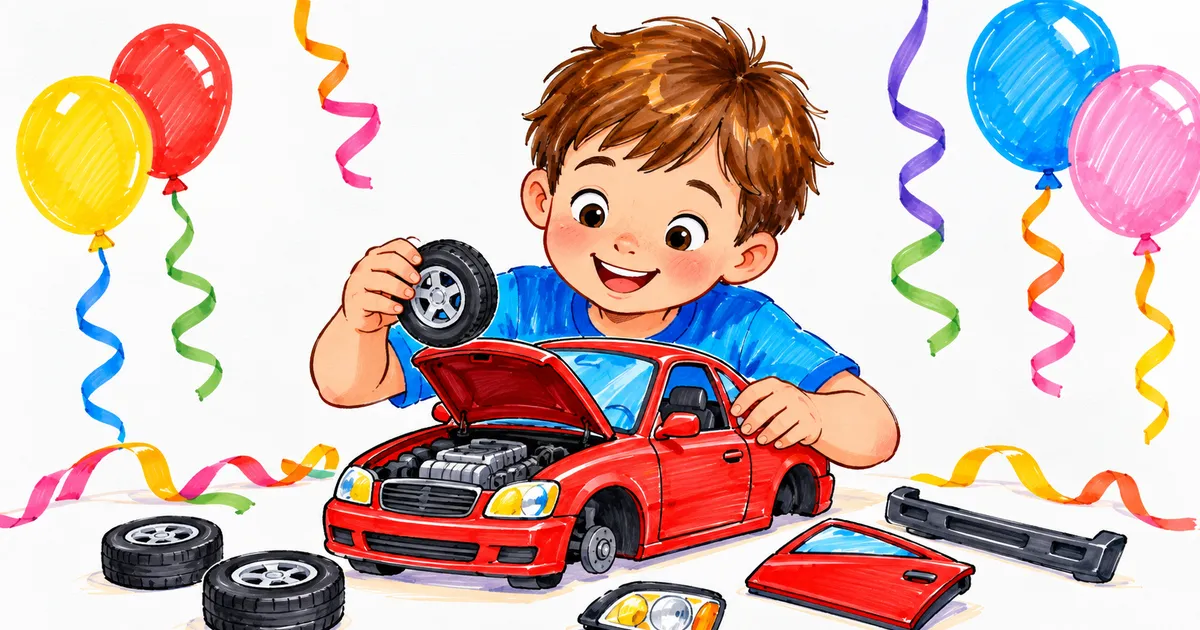
With a 5-year-old, use pictures: “Today I am at home. Yesterday I was at school.” With an older child, add time words: “Last summer, we were in Italy.” The time word marks the past.
The core idea in Was and Were for Kids: A Practical Guide is grammar inside real sentences about the child’s life, not form lists alone.
How the Grammar Works
Use “was” with “I,” “he,” “she,” and “it.” Use “were” with “we,” “you,” and “they.” “You” often surprises children because it takes “were” for one person and for more than one person.
A board or notebook chart helps. Keep it short, then practise aloud. Children should hear each form often before they explain it.
Rules and Examples Children Can Use
The first rule describes a past state: “I was tired,” “The room was quiet,” “My friends were excited.” These sentences show how someone or something was before now.
The second rule covers places: “I was in the kitchen,” “Dad was at work,” “We were on the bus,” “The books were on the table.” Place sentences work well because children can check them against memory.
The third rule covers past continuous sentences. “Was” and “were” can help another verb: “I was reading,” “They were playing,” “You were listening.” In Was and Were for Kids: A Practical Guide, secure “was” and “were” alone first, then add the “-ing” action.
Negative Sentences and Questions
For a negative sentence, add “not”: “I was not ready” and “They were not at home.” In speech, children hear “wasn’t” and “weren’t”: “He wasn’t angry” and “We weren’t late.”
Questions change word order. “She was at school” becomes “Was she at school?” “They were tired” becomes “Were they tired?” Young learners need oral examples before accurate writing.
Across LearnLink lessons, our tutors build this step through short answers: “Were you at home?” “Yes, I was.” “Was your brother with you?” “No, he wasn’t.” Grammar stays close to real talk.
Common Mistakes and How to Fix Them
One mistake is using “was” with every subject: “They was happy,” “We was late.” Do not shame the child. Point to the subject and ask, “One person or more than one?” Then say the correct sentence together: “They were happy.”
Another mistake is keeping the present form with a past time word: “Yesterday I am sick.” A short correction works: “Yesterday I was sick.” Ask for the full sentence, not only the changed word.
Some children mix “weren’t” and “wasn’t”: “He weren’t here.” Link the short form to the full form: “He was not here. He wasn’t here.” Was and Were for Kids: A Practical Guide keeps correction calm, brief, and repeated.
Practice Activities for Home or Class

Short practice beats a long worksheet for most children. Five minutes after school, in the car, or before bedtime can be enough. Use family photos, drawings, toys, or a calendar.
For younger children, keep practice oral. From about 9 upward, add writing after speaking. Teen learners can use fuller sentences and explain why “was” or “were” fits.
Fill in the Blank
Choose “was” or “were”: 1. I ___ at school yesterday. 2. They ___ in the garden. 3. She ___ tired after the trip. 4. You ___ right. 5. The pencils ___ on the desk. Answers: was, were, was, were, were.
Examples by Age
For school-age kids, use short, true sentences: “I was small,” “It was sunny,” “We were happy.” Add gestures, pictures, and yes-or-no questions. At this age, correct use matters more than grammar labels.
For school-age kids, children can sort sentences into “was” and “were” groups. They can write three sentences about yesterday: one with “I,” one with “we,” and one with “they.” This builds choice instead of copying.
For school-age kids, add contrast and detail: “I was nervous before the match, but my friends were calm.” Older learners can compare “was/were” with “am/is/are” and use past continuous forms. Was and Were for Kids: A Practical Guide stays relevant because the same rule supports more mature sentences.
- Try three was sentences with a six-year-old after reading one picture book.
- Practice five were questions with an eight-year-old using family photos.
- Use yesterday, last week, and when I was in daily conversation.
- Write four was and were examples with a ten-year-old after school.
- Review one mistake gently by repeating the sentence correctly aloud.
When a word has several meanings or pronunciations, Cambridge Dictionary is a useful check before turning it into child-friendly examples.
Frequently Asked Questions
When Should a Child Learn “Was” and “Were”?
Children meet “was” and “were” after they can use “am,” “is,” and “are” in present sentences. Age depends on reading level, memory, and exposure to English. A 6-year-old may use “I was happy” orally, while an older beginner may need the same starting point in writing.
How Do I Explain “You Were” to a Child?
Tell your child that English uses “were” after “you” in the past, for one person and for more than one person. Give two examples: “You were at home” to one child, and “You were noisy” to a group. Then practise short answers: “Were you tired?” “Yes, I was.”
Should My Child Memorise the Full Table?
A table helps, but it should not be the whole lesson. Children need to hear and say the forms in real sentences. Use the table for quick checking, then move to examples about yesterday, last weekend, school, family, toys, sports, or a book. Was and Were for Kids: A Practical Guide works when memory and meaning grow together.
What Is the Difference Between “Was” and “Were” in Questions?
The rule stays the same, but the order changes. In a statement, we say, “She was ready” or “They were ready.” In a question, the verb comes first: “Was she ready?” and “Were they ready?” Short answers follow the same form: “Yes, she was” and “Yes, they were.”
How Can I Correct Mistakes Without Stopping the Conversation?
Use a light recast. If your child says, “We was in the park,” answer with the correct form: “Yes, you were in the park.” If the mistake returns, pause for one quick practice round. Long grammar talks can break confidence, especially for first-time online learners.
Start your child's English journey today — book a trial lesson with LearnLink.
Stay updated on our latest tips and resources by following us on Instagram LearnLink.