Water Sports in English for Kids
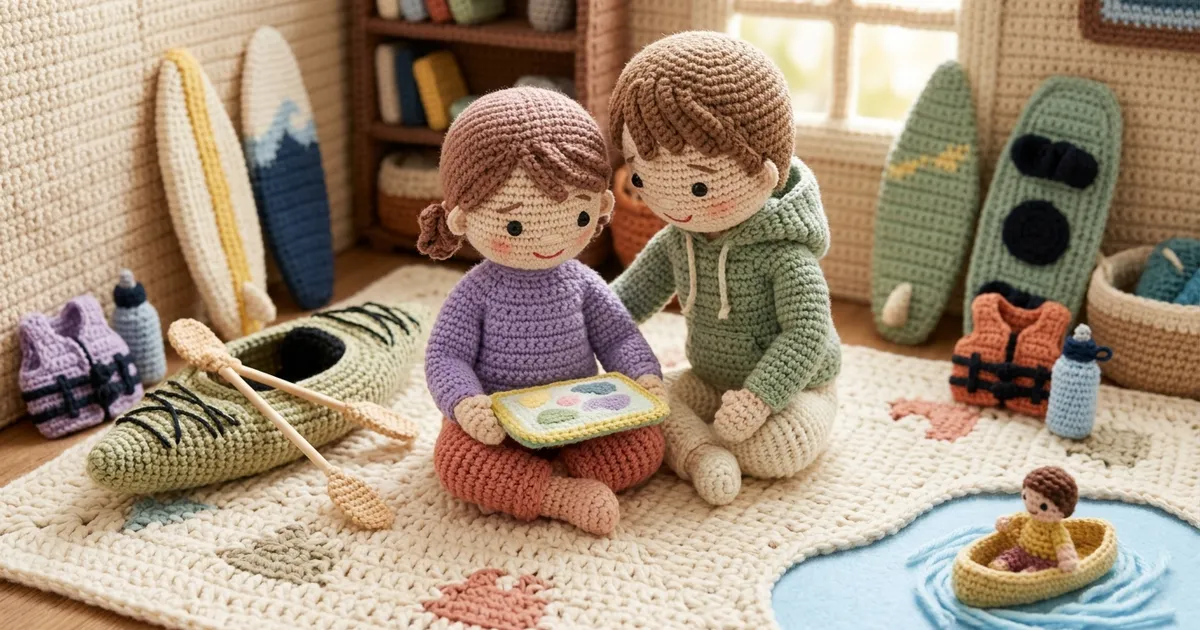
Five word groups organise 56 terms in this Water Sports in English for Kids: Words and Activities lesson: sports, equipment, places, conditions, and actions. Begin with six familiar words—swimming, pool, goggles, boat, sea, and float—then add activities such as kayaking or windsurfing. Pictures, gestures, toys, and speaking games support dry-land practice. Children learn to recognise each activity, match its equipment, and use the vocabulary in sentences.
📥 Water Sports in English for Kids: Practice Pack
Learn useful words, build natural sentences, and practise talking about activities on the water.
Leave your email — we'll send the PDF to your inbox.No spam — the PDF plus one short reminder. Unsubscribe anytime.
Core Words to Teach First
Group words by meaning to create a mental map for recall. Begin with sports your child has seen in a book, video, or real life, then introduce activities requiring specialist gear.
- Sports and activities: swimming, diving, snorkeling, surfing, bodyboarding, paddleboarding, canoeing, kayaking, rowing, sailing, rafting, water skiing, wakeboarding, windsurfing, kitesurfing, and water polo.
- Equipment: board, paddle, oar, sail, life jacket, goggles, mask, snorkel, fins, wetsuit, helmet, and swimsuit.
- Places: pool, sea, ocean, lake, river, beach, shore, and diving board.
- Conditions: calm, rough, deep, shallow, cold, warm, windy, and safe.
- Actions: swim, float, paddle, row, sail, surf, dive, jump, balance, breathe, turn, and hold.
She is swimming in the pool.
They are kayaking on the lake.
He is surfing on a wave.
I breathe through a snorkel.
She uses a paddle in the kayak.
Wear a life jacket on the boat.
My goggles protect my eyes.
His wetsuit keeps him warm.
We swim in the pool.
The raft moves down the river.
The board can float on water.
She can dive into the water.
When planning Water Sports in English for Kids: Words and Activities, teach each sport with its action and gear. Pair kayaking with paddle and life jacket; pair snorkeling with mask, snorkel, and fins. These word sets support complete thoughts: “She is wearing fins,” or “They paddle the kayak.”
Put the Words into Useful Sentences
Water Sports in English for Kids: Words and Activities becomes easier when children learn a noun, verb, and place together. Model short sentences: “He swims in the pool.” “They are sailing on the lake.” “The surfer is riding a wave.” Your child can point to a picture, copy the sentence, then change one part.
Activity names often follow go + -ing: go swimming, go surfing, go kayaking, and go snorkeling. Water polo is a team game: “They play water polo.” Ask: “What is she doing?”, “What does he need?”, “Where can they sail?”, and “Is the water calm or rough?”
Multilingual children may compare words across languages. Let your child translate briefly, then return to an English phrase. Younger learners can say, “Blue kayak” or “I can swim.” Older learners can explain contrasts: “I would choose paddleboarding because the water is calm,” or “Rafting is done on a river, while surfing is done on waves.”
Activities for Each Age Band
For school-age kids, use movement and matching. Show a picture and ask your child to mime swim, row, paddle, or dive. Match equipment pictures to each sport. Keep rounds short and reorder repeated words. A phrase such as “Wear a life jacket” works better than a formal definition.
For school-age kids, add guessing games and descriptions. One person chooses a sport and gives clues: “You need a board. You stand up. There may be waves.” The other asks, “Is it surfing?” Picture bingo can combine sports, gear, and places. Children can sort activities into pool, sea, lake, and river categories, including sports that fit multiple places.
For school-age kids, use Water Sports in English for Kids: Words and Activities as a planning task. Ask your child to design an imaginary activity day, select gear, describe conditions, and write a safety briefing. They can compare sports using easier than, more difficult than, or safer when. The task develops vocabulary, explanation, and decision-making.
Simple Practice at Home
Home lessons need no water or specialist equipment. Use printed pictures, magazine photos, or sketches. Show an image for five seconds, hide it, then ask your child to name the sport and a related object. Review the words on later days in a different order. Move from recognition to recall, then a full sentence.
Pack the Activity Bag
Choose a sport and name what to pack. Use: goggles, mask, snorkel, fins, paddle, helmet, wetsuit, life jacket. Your child might say, “For kayaking, I need a paddle and a life jacket.” Add an unsuitable item and ask your child to remove it and explain why.
Try picture commentary: take turns naming the activity, place, equipment, and weather. A Water Sports in English for Kids: Words and Activities session might end with three prompts: “I can see…”, “The person is…”, and “They need…”. Correct one error, then ask your child to repeat the sentence naturally.
Mistakes Worth Correcting Early
Some water sports look similar but require different equipment or actions. The contrasts below help children choose precise terms instead of calling every picture swimming or boat.
Watch the verb and noun. Children may say “play swimming” or “make surfing”; model “go swimming” and “go surfing.” They may confuse life jacket with jacket. Keep the full term because it has a specific safety meaning. Accept regional forms such as swimsuit, swimming costume, and bathing suit, then teach the form your child will hear most.
Vocabulary practice must not imply that a child can try a sport alone. Discuss pictures and mime actions on dry land. Real water activities require supervision, local safety rules, proper equipment, and instruction suited to the setting. Language confidence and water competence are separate skills.
- Practice five water-sport words with children aged six to nine daily.
- Use picture cards to contrast surfing, sailing, swimming, and diving.
- Correct one pronunciation mistake gently, then repeat the word three times.
- Read a beginner ocean book aloud and identify four water activities.
- Try a two-minute role-play using complete sentences about favorite water sports.
When a word has several meanings or pronunciations, Cambridge Dictionary is a useful check before turning it into child-friendly examples.
Frequently Asked Questions
Which Water Sports Words Should My Child Learn First?
Begin with words linked to pictures or experience: swimming, pool, sea, boat, goggles, life jacket, surfing, and kayaking. Add actions such as swim, paddle, and float. Once learned, introduce less familiar sports and exact equipment terms.
Can My Child Learn This Vocabulary Without Being Able to Swim?
Yes. Water Sports in English for Kids: Words and Activities is a language theme, not a swimming lesson. Children can learn through pictures, gestures, sorting games, and dry-land descriptions. Knowing the words does not mean a child can participate safely.
How Long Should Each Vocabulary Practice Session Be?
End short sessions while your child remains engaged. Five to ten minutes can cover pictures, recall, and two or three spoken sentences. Older children can spend longer on comparisons or planning. Review the words across multiple days instead of using one long memorisation session.
Should I Correct Every Grammar or Pronunciation Mistake?
No. Choose the error that most affects meaning or the target language pattern. Model the correct sentence and let your child retry without a long interruption. If your child says, “He play surfing,” respond, “Yes, he goes surfing.” Focused repetition works better than a detailed grammar lecture.
- Start small: choose six familiar words and connect each one to a picture or gesture.
- Practise complete phrases: combine one sport, one action, and one piece of equipment.
- Review regularly: return to the same vocabulary for five to ten minutes across several days.
A short one-to-one lesson can show what level and pace fit your child — book a trial English lesson.
Stay updated on our latest tips and resources by following us on Instagram LearnLink.