“A Piece of” and “A Bottle of” for Kids
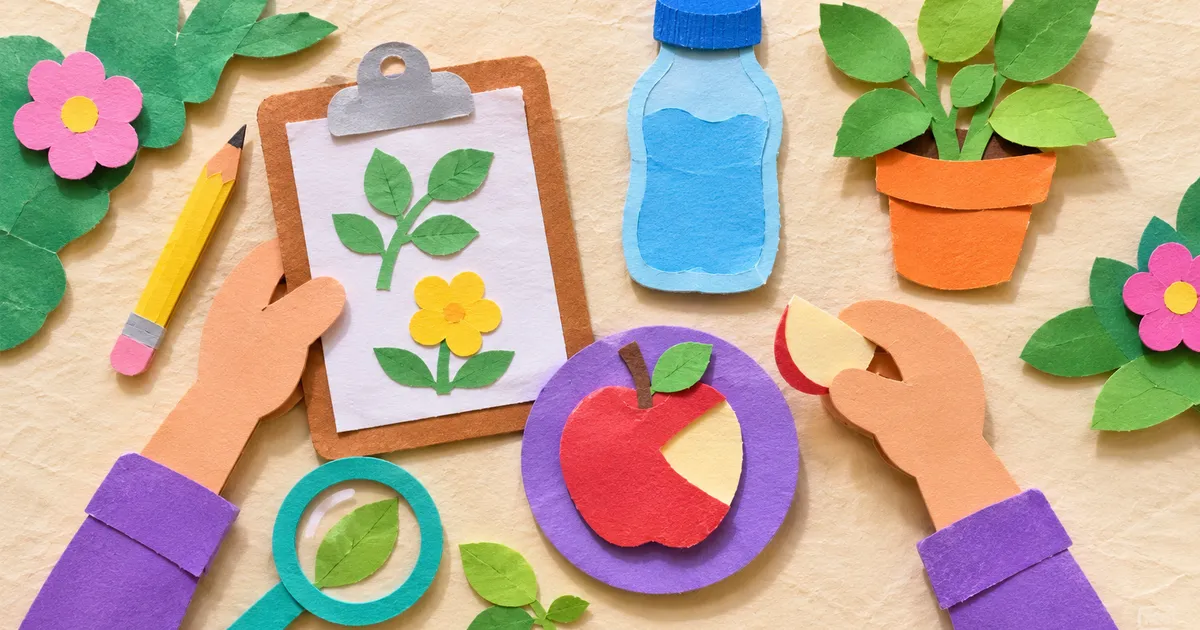
“A Piece of” and “A Bottle of” for Kids: A Practical Guide explains two quantity phrases. “A piece of” names one part; “a bottle of” names a container and its contents. Bread, cake, water, and juice are not counted alone in standard English. Children count the unit: one piece of bread, two pieces of cake, one bottle of water, or three bottles of juice. Count the unit before “of,” then name the food, drink, or material.
What Children Need to Understand
A child must distinguish an object from its contents. A bottle is countable: one bottle, two bottles. Water is the liquid inside. We say “a bottle of water,” not “a water,” for one filled container.
A piece is a part separated from a larger object or amount: a piece of cake, bread, or paper. Pieces need not be equal. “Piece” works when the exact shape does not matter.
Languages may count food and drink differently, especially when a child speaks two or three languages. “A Piece of” and “A Bottle of” for Kids: A Practical Guide offers one stable English pattern for comparison with home languages.
How the Grammar Works
The pattern is number or article + unit + of + thing. In “a piece of cheese,” “piece” is the unit and “cheese” is the thing. In “two bottles of milk,” “bottles” is the unit and “milk” is the content. “Of” connects them.
The unit carries the number: “one piece of cake,” “three pieces of cake,” “a bottle of juice,” and “four bottles of juice.” The final noun stays unchanged because the speaker counts pieces or bottles, not separate cakes, juices, or waters.
Verb agreement also follows the unit: “A bottle of water is on the table,” but “Two bottles of water are on the table.” “A Piece of” and “A Bottle of” for Kids: A Practical Guide supports practice with plurals, numbers, articles, and “is” versus “are.”
Choosing the Right Phrase
Use “a piece of” for part of a whole, a loose amount, or an item without a more exact unit. Use “a bottle of” when the container matters. The comparison shows what each phrase counts.
Context changes the choice. “Cake” means a whole cake in “We made a cake,” but a portion in “We ate a piece of cake.” Water stays water in a bottle, glass, or jug; the container phrase describes how it is held or served.
Choose an exact unit when shape matters. A slice is a thin, flat cut, so “a slice of bread” is more specific than “a piece of bread.” “Piece” fits an irregular cut or when shape is irrelevant.
Rules and Examples Children Can Reuse
Use “a” with one countable unit: a piece, bottle, slice, or glass. Do not place “a” directly before these uncountable nouns. Say “a piece of bread” and “a bottle of milk,” not “a bread” or “a milk.”
For two or more units, pluralize the unit: “two pieces of cheese,” “five bottles of water,” and “several pieces of paper.” “Some” describes the substance without a unit: “some cheese” or “some water.” The forms answer different questions.
“How much water?” asks about the amount. “How many bottles of water?” asks for the container count. Across LearnLink online English lessons, our tutors connect this contrast with real choices. “A Piece of” and “A Bottle of” for Kids: A Practical Guide provides the same distinction for home practice.
Common Mistakes and Clear Fixes
A frequent error puts the plural on the final noun: “two piece of cakes.” The correct form is “two pieces of cake.” Ask, “What are we counting?” The answer is pieces, so “piece” becomes plural. The noun after “of” stays unchanged.
Children may omit “of”: “a bottle water” or “a piece bread.” English requires “a bottle of water” and “a piece of bread.” Practise a three-beat rhythm: “a bottle / of / water,” then say the phrase at natural speed.
Another error mismatches the article or number: “a pieces of paper” and “one bottles of juice.” Match unit and amount: “a piece,” “one piece,” “two pieces”; “a bottle,” “one bottle,” “two bottles.” Fix the unit, then read the phrase aloud.
Practice Activities
Use real objects: a sheet of paper, fruit pieces, and clean empty bottles. Read “A Piece of” and “A Bottle of” for Kids: A Practical Guide once. Then ask your child to touch or point to the unit while saying the phrase. Older children can write each answer before speaking.
Choose, Correct, and Say
Fill each gap with piece, pieces, bottle, or bottles: 1. a ___ of cake; 2. three ___ of water; 3. two ___ of paper; 4. one ___ of juice. Now correct these sentences: 5. “I have a pieces of bread.” 6. “We need two bottle of milk.” Finally, make two new sentences about items you can see.
Answers: 1. piece; 2. bottles; 3. pieces; 4. bottle; 5. “I have a piece of bread”; 6. “We need two bottles of milk.”
Repeat with new nouns. Cake, cheese, bread, and paper fit after “a piece of.” Water, juice, and milk fit after “a bottle of.” Ask what is being counted; the explanation reveals whether your child understands the rule.
When a word has several meanings or pronunciations, Cambridge Dictionary is a useful check before turning it into child-friendly examples.
Frequently Asked Questions
What Is the Difference Between “A Piece of” and “A Bottle Of”?
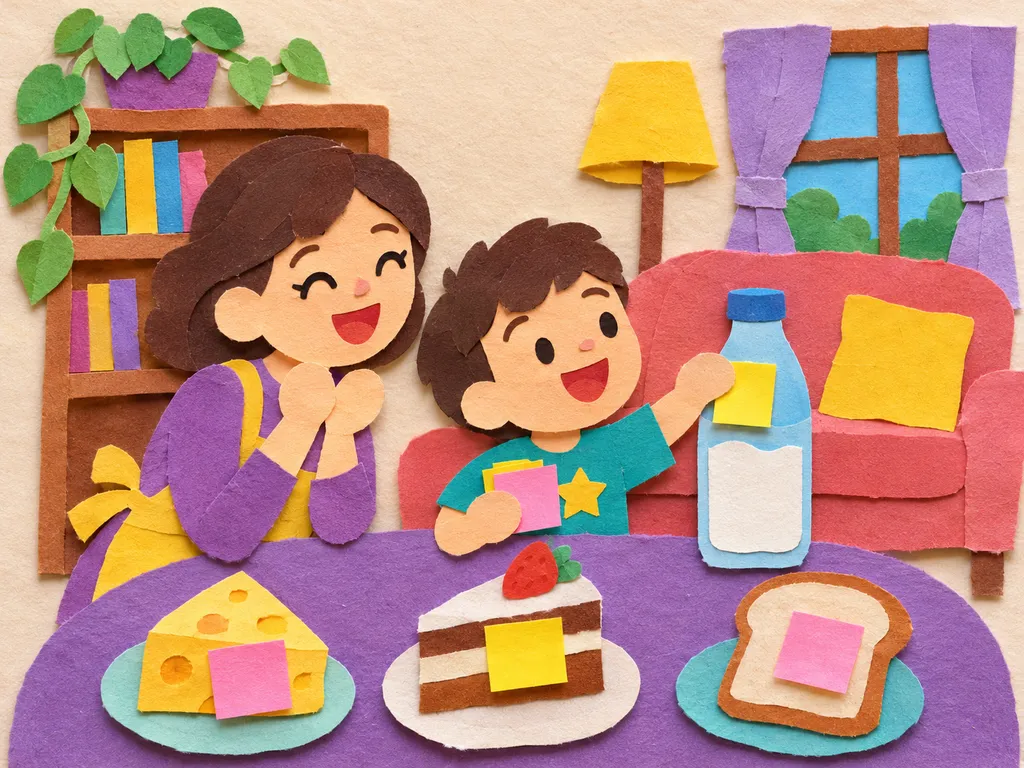
“A piece of” names part of something larger; “a bottle of” names a container and its contents. “A Piece of” and “A Bottle of” for Kids: A Practical Guide uses bread and water as models: a piece of bread counts the portion, while a bottle of water counts the container.
Why Can’t My Child Say “A Bread” or “A Water”?
Standard everyday English treats “bread” and “water” as uncountable nouns. Counting requires a unit: a piece or two loaves of bread; a bottle or three glasses of water. In some settings, “a water” means one serving, but the full unit phrase helps learners.
Should My Child Use “Piece” or “Slice” for Bread?
Both are correct but differ. A slice is a thin, flat cut from a loaf. A piece is any part, including an uneven shape. Teach “a slice of bread” for the standard cut and “a piece of bread” when shape does not matter.
At What Age Can Children Learn These Phrases?
Young children can start with objects and short phrases such as “a piece of cake” or “a bottle of water.” Older children can add plurals, written sentences, and “how much” or “how many” questions. Match practice to language skills instead of teaching every grammar term together.
How Can We Practise If Our Family Uses Several Languages?
Say the English phrase, then compare how each home language expresses the amount. One language may count bread directly, while English uses a piece, slice, or loaf. Explain that languages follow different patterns and help your child choose the pattern for each language.
If your child needs steady speaking practice, start small — choose a trial lesson.
Stay updated on our latest tips and resources by following us on Instagram LearnLink.