How to Start Teaching English Grammar to Kids
Teach English grammar through one sentence pattern in context before naming the rule. How to Start Teaching English Grammar to Kids: A Practical the child begins with meaning: children should understand what a sentence does before studying its construction. Use a toy for “The car is red” or a picture for “She is running.” Model the pattern, keep the lesson short, then let your child change one word. Grammar becomes a tool for new messages, not terms to memorise.
📥 My First English Grammar Practice Pack
Simple sentence-building activities for young learners
Leave your email — we'll send the PDF to your inbox.No spam — the PDF plus one short reminder. Unsubscribe anytime.
What Children Need Before Learning Grammar Rules
Children need familiar words, context, and a reason to speak. To practise “I like…,” use foods, games, or animals your child knows. Combining new grammar with new vocabulary overloads the task. Introduce one while keeping the other familiar.
The central principle in How to Start Teaching English Grammar to Kids: A Practical the child is meaning first, pattern second, label third. Show two pictures and say, “He is jumping” and “She is reading.” Ask what is happening now. After your child spots the shared pattern, name it as the present continuous.
Children need freedom to try without correction after every word. During a speaking game, respond to the message first and review one target error afterwards. If your child says, “She running,” answer naturally—“Yes, she is running”—and continue.
A Simple Sequence for the First Grammar Lessons
How to Start Teaching English Grammar to Kids: A Practical the child recommends five steps: set a context, model the sentence, notice the pattern, practise it, and use it freely. Ten focused minutes may suit a young beginner. Older children can work longer, but each stage needs one purpose.
Create a situation with objects, pictures, movement, or a short exchange. Model three to five sentences using the same structure. Help your child spot what changes and what remains. In “I am happy,” “You are happy,” and “He is happy,” the feeling remains while the subject and form of be change.
Move from supported practice to a real choice. A child might complete “The dog is ___,” then describe a new picture without a prompt. End with a question requiring the grammar: “What is everyone doing?” or “What do you eat for breakfast?” The answer reveals whether the child can use the pattern independently.
Useful First Rules and Sentence Patterns
Begin with grammar that helps children discuss themselves and their surroundings. Starting points include the verb be, have got or have, can, the present simple, the present continuous, basic pronouns, and singular and plural nouns. Adjust the order to the English taught at school.
Teach a contrast after each form has meaning. Compare “I play football on Saturdays” with “I am playing football now.” The first describes a routine; the second describes a current action. A timeline, calendar, or live action makes the difference visible.
How to Start Teaching English Grammar to Kids: A Practical the child presents rules as speaking tools, not isolated definitions. A child who can explain a rule but cannot create a new sentence needs meaningful practice, not a longer explanation.
How to Adjust Grammar Teaching by Age
For school-age kids, keep grammar mostly oral. Use actions, toys, songs, sorting games, and picture choices. Say “The bear is sleeping,” then let the child make the bear jump, dance, or eat. Skip tests on terms such as auxiliary verb. Focus on hearing and producing the pattern.
Children can examine short written patterns and record examples. Mark sentence parts by colour: one for the subject, one for the helping verb, and one for the main verb. Ask children to build, reorder, or change sentences. Writing should support speaking, not replace it.
From about age 10, learners can handle rule summaries, error correction, and comparisons with languages they speak. Multilingual children may transfer word order or omit words absent from another language. Use the comparison productively. Ask, “How would this sentence work in your other language?” before showing the English form.
Common Mistakes and How to Respond
A common mistake is starting with grammar terms. Telling a beginner to “use the third-person singular” supplies a name, not a usable pattern. Begin with “I play, you play, she plays.” Let the child hear and sort examples before naming the form. The label then organises meaningful knowledge.
Another mistake is mixing targets. A worksheet may require children to choose a tense, spell a difficult word, remember irregular forms, and write a long answer at once. If the target is is versus are, keep nouns and vocabulary familiar. The grammar should provide the difficulty.
How to Start Teaching English Grammar to Kids: A Practical the child avoids correction that interrupts every sentence. Record two or three examples, including one correct sentence. Review them together and ask what the child notices. For a recurring error, offer a choice: “He go or he goes?” A brief prompt lets the learner repair the sentence.
Practice Activities That Build Grammar Skills
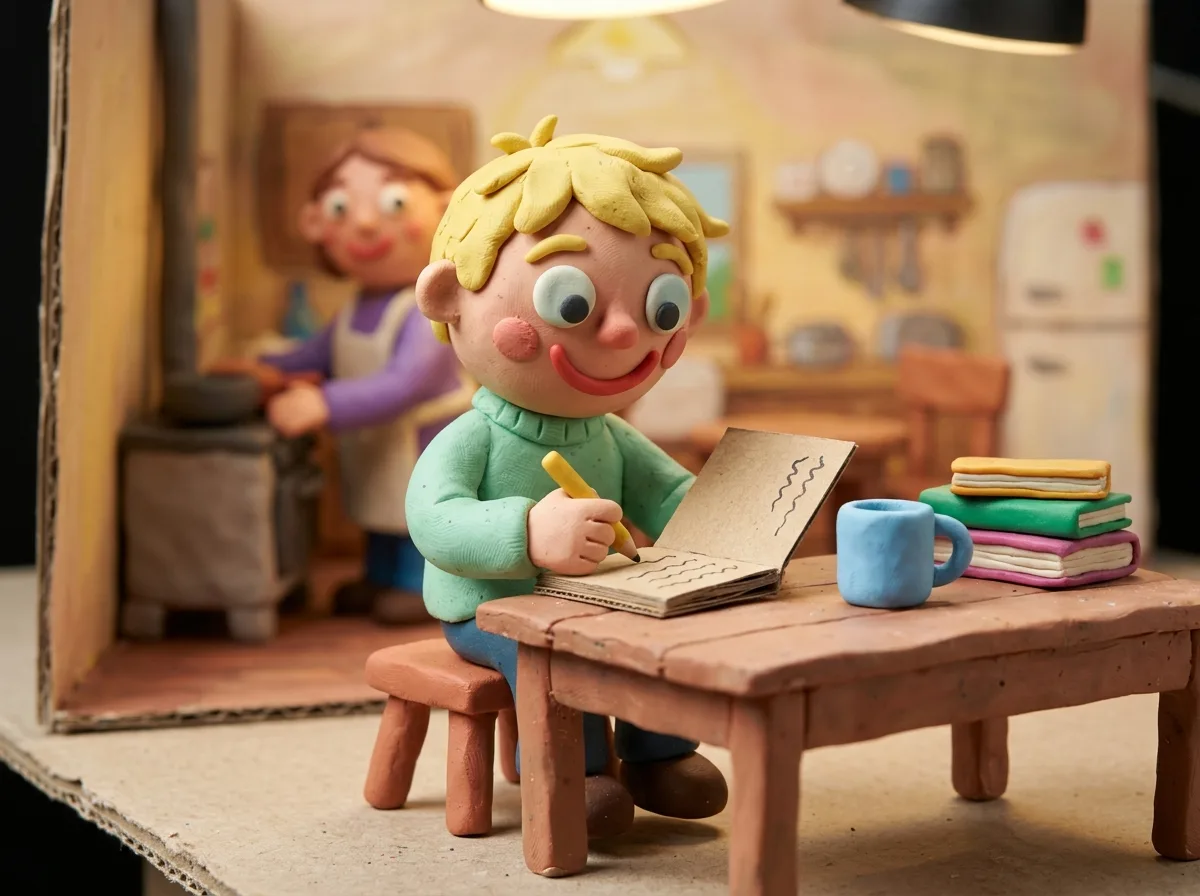
Practice should progress from recognising a form to producing it. Start with matching, choosing, or sorting. Continue with a short gap-fill or sentence change. Finish with a personal answer, picture description, or guessing game. Reuse the pattern on later days with new words so recall does not depend on one worksheet.
The activities below follow How to Start Teaching English Grammar to Kids: A Practical the child and require little preparation. Give one example before your child starts. After checking answers, request two new sentences with the same grammar.
Choose Am, Is, or Are
Complete the sentences: 1. I ___ seven years old. 2. My brother ___ at home. 3. The books ___ on the table. 4. We ___ ready. Answers: 1. am; 2. is; 3. are; 4. are. Change one noun or pronoun in each sentence and choose the new form.
Change the Action to Something Happening Now
Rewrite each sentence in the present continuous: 1. The cat sleeps. 2. They play a game. 3. I read a comic. Answers: The cat is sleeping. They are playing a game. I am reading a comic. Look around the room and describe what two people or animals are doing now.
Make the Sentence True
Give a true answer to each prompt: “I can ___.” “Every day after school, I ___.” “There are ___ in this room.” “My family likes ___.” Accept different answers when the grammar is sound. If an answer needs repair, repeat it correctly and ask the child to say it again.
For the rule wording, Wikipedia — English Grammar is a useful reference while the practice examples here stay adapted for children.
Frequently Asked Questions
At What Age Should a Child Start Learning English Grammar?
Children can meet grammar patterns from age four, but early teaching should centre on listening, meaning, and short spoken sentences. Formal terms can wait. A young child may learn “I am,” “you are,” and “she is” through games without a rule chart. Older beginners can combine examples with brief explanations.
Which Grammar Point Should a Beginner Learn First?
Start with a pattern the child can use immediately. The verb be covers names, ages, feelings, colours, and descriptions. Can covers abilities, while the present continuous suits pictured actions. Choose one structure matching what the child understands and wants to say.
How Often Should Children Practise Grammar?
Short, repeated practice works better than an occasional long session. A five- to ten-minute activity throughout the week may include speaking, reading, or sentence building. Revisit the structure after a gap in a new setting. For example, practise “There is” first with a bedroom and later with a park.
Should Parents Correct Every Grammar Mistake?
No. Correct errors tied to the lesson target, errors that block meaning, and recurring patterns. During free conversation, keep the exchange moving. Model the correct form in your reply or save one example for review. Praise the successful idea or pattern, then give an actionable correction.
Can Parents Teach Grammar If English Is Not Their First Language?
Yes. How to Start Teaching English Grammar to Kids: A Practical the child relies on concrete examples, a steady routine, and reliable lesson material—not a native accent. Learn the target pattern before the activity, use audio for pronunciation, and keep explanations brief. A multilingual parent can help a child compare how languages express the same idea.
Want to see how these ideas work in a real lesson — try a LearnLink trial lesson.
Stay updated on our latest tips and resources by following us on Instagram LearnLink.