Berries in English for Kids
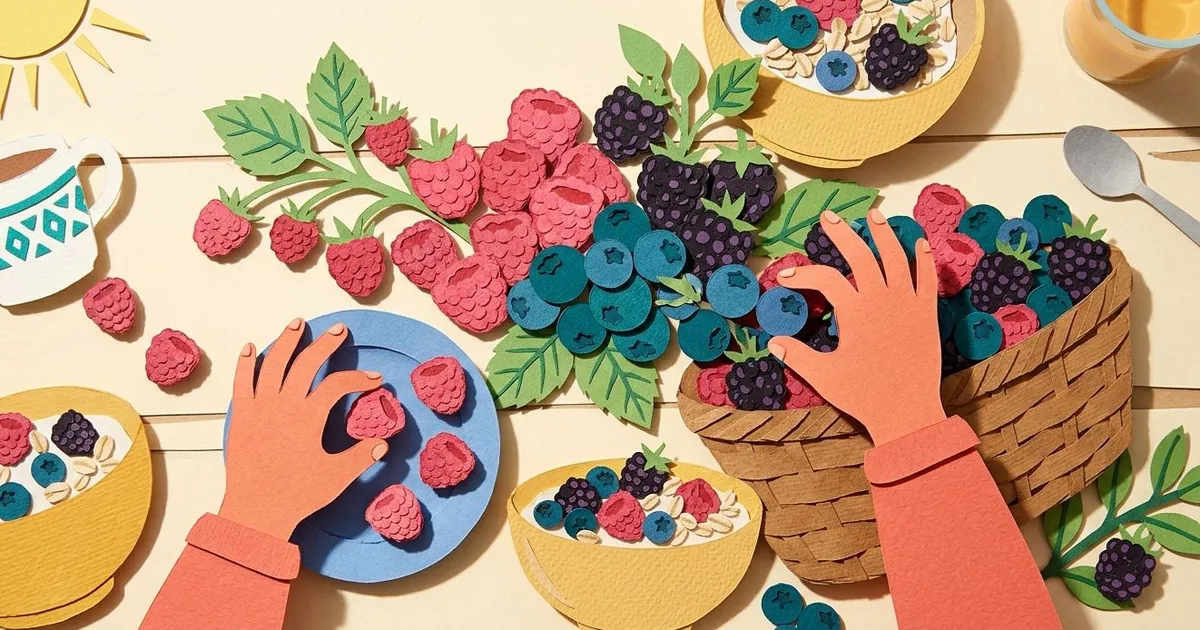
Berries in English for Kids: Words and Activities introduces 12 fruit names plus phrases for colour, taste, and action. Children need not learn every word together. A 5-year-old can point to a strawberry, blueberry, raspberry, or blackberry and say its name. Older learners can compare flavours, read recipes, and describe berry growth. Focus on practical speech: “These blueberries are sweet,” “I like raspberry yogurt,” and “Please wash the strawberries.” Pictures, toy food, and familiar produce let families practise without unusual fruit.
📥 Berries in English for Kids
A printable word bank with sentence practice, matching activities, and a weekly speaking tracker
Leave your email — we'll send the PDF to your inbox.No spam — the PDF plus one short reminder. Unsubscribe anytime.
Core Berry Words and Phrases
Begin with berries your child recognises, then introduce less familiar names. Teach singular and plural forms together so the spelling change from berry to berries stands out.
A Berries in English for Kids: Words and Activities lesson includes short combinations: a ripe strawberry, three blueberries, fresh raspberries, and frozen blackberries. Add taste words: sweet, tart, juicy, and soft.
Using Berry Words in Real Sentences
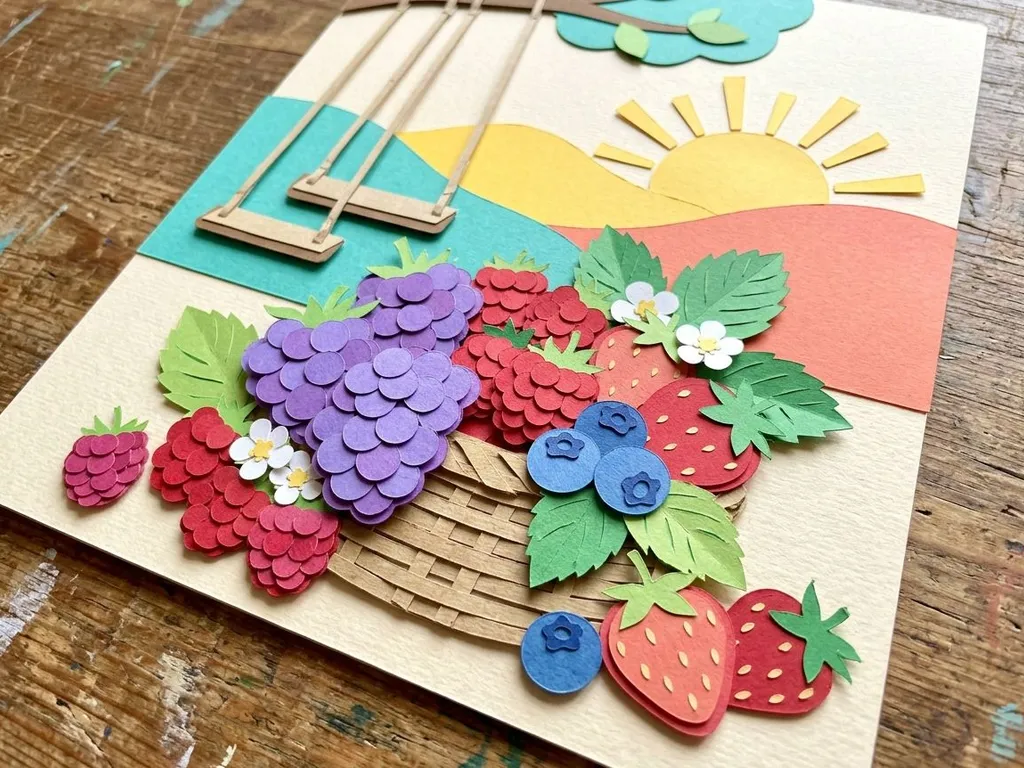
Younger children can practise one pattern at a time: “It is a strawberry,” “They are blueberries,” or “I like raspberries.” Place two pictures side by side and ask, “Which berry is red?” or “Which berries are dark?” Let the child point before answering in full.
Add action verbs after children know the names. They can pick, wash, cut, mix, freeze, or eat berries. Practise “We wash the blackberries,” “She mixes the fruit,” and “He puts blueberries on the yogurt.”
Finish with a question chain: “What is it?” “What colour is it?” “Is it sweet or tart?” “Do you like it?” These questions turn Berries in English for Kids: Words and Activities from naming practice into speech for meals, shops, and lessons.
A Simple Teaching Sequence
Teach Berries in English for Kids: Words and Activities in three passes. First, say each word while the child looks and points. Next, ask the child to find the named berry. Last, show the picture silently and let the child recall its name.
For a child who speaks two or three languages, a brief home-language explanation can prevent confusion. Then resume the task in English: “Yes, that is the same fruit. In English, we say blueberry.” Mixing languages during recall is not failure. Restate the English word calmly and continue.
Review a small set over several days. On the first day, use four picture cards. On the next day, hide one and ask which berry is missing. Later, introduce a new word or descriptive phrase. Short sets keep the task manageable for a first-time online learner.
Activities That Fit Different Ages
The same berry set supports children from 4 to 15 when tasks match their age. In Berries in English for Kids: Words and Activities, younger learners need movement and repetition; older learners can sort information and explain choices.
Tasting can reinforce meaning, but remains optional. Pictures, empty food packs, and pretend fruit offer equivalent language practice. If using food, choose fruit known to be safe for your child, wash it, supervise the activity, and never taste unknown wild berries.
Practice at Home and in Online Lessons
Turn routines into brief reviews. At breakfast, ask for “two blueberries” or “one strawberry.” In a shop, find berry names on signs and packages. At home, children can make a picture menu, label a fruit bowl, or draw a berry and write three clues.
In a 1-on-1 lesson, our tutors can adapt prompts to the learner. A beginner may answer with one word; a confident child can compare two berries or explain a recipe. Across LearnLink lessons, accurate models and repetition matter more than a long vocabulary list.
Try It: Build a Berry Shop
Place four berry pictures on a table and assign pretend prices. Take turns as shopkeeper and customer. Say: “Can I have some raspberries, please?” “Here you are.” “How many would you like?” Older children can write a receipt or compare berry prices.
Common Mistakes and Useful Corrections
The main spelling mistake is adding -s to berry. One fruit is a berry; more than one are berries. Compound words follow the same change: one blueberry, but five blueberries. Ask the child to circle the final y before replacing it with ie.
Children may say “I like strawberry” when discussing the fruit generally. Model “I like strawberries.” Reserve the singular form for flavour or type: “I like strawberry yogurt” and “This is strawberry jam.” Teach English adjective order: “a red berry,” not “a berry red.”
Pronunciation differs across English-speaking regions. In raspberry, the letter p is usually silent. The second part of strawberry and blueberry may sound different between accents. Aim for recognisable pronunciation instead of copying one national accent.
- Try naming five berries with children aged four to six during snack time.
- Practice correcting berry plurals using picture cards for five minutes today.
- Use one illustrated book to compare strawberries, blueberries, raspberries, and blackberries.
- Ask your child to repeat each corrected word twice without rushing.
- Celebrate accurate pronunciation with a sticker after three successful attempts.
When a word has several meanings or pronunciations, Cambridge Dictionary is a useful check before turning it into child-friendly examples.
Frequently Asked Questions
How Many Berry Words Should a Young Child Learn First?
Start with three or four familiar words: strawberry, blueberry, raspberry, and blackberry. Add another when your child recognises and names most of the first set. Berries in English for Kids: Words and Activities works best through short reviews, not one large memorisation task.
Should My Child Learn Singular and Plural Forms Together?
Yes. Present “one strawberry” beside “two strawberries” from the start. This contrast teaches meaning and spelling in context. Use quantities or pictures instead of asking the child to recite a grammar rule. Later, mix singular and plural prompts so the child listens closely before answering.
Can We Practise Berry Vocabulary Without Using Real Fruit?
Yes. Photos, drawings, toy food, packages, and digital flashcards support strong language practice. Your child can sort pictures, play a memory game, design a menu, or describe an imaginary smoothie. Real fruit may make the lesson memorable, but it is never required for participation or understanding.
What Should I Do If My Child Mixes Berry Names Between Languages?
Accept the meaning, then provide a calm English model: “Yes, that is a mora. In English, it is a blackberry.” Ask the child to repeat the full phrase once, then move on. Later, revisit the word through a picture or game. This builds English recall without treating other languages as a problem.
Start your child's English journey today — book a trial lesson with LearnLink.
Stay updated on our latest tips and resources by following us on Instagram LearnLink.