Tracing Sentences About the Body and Face
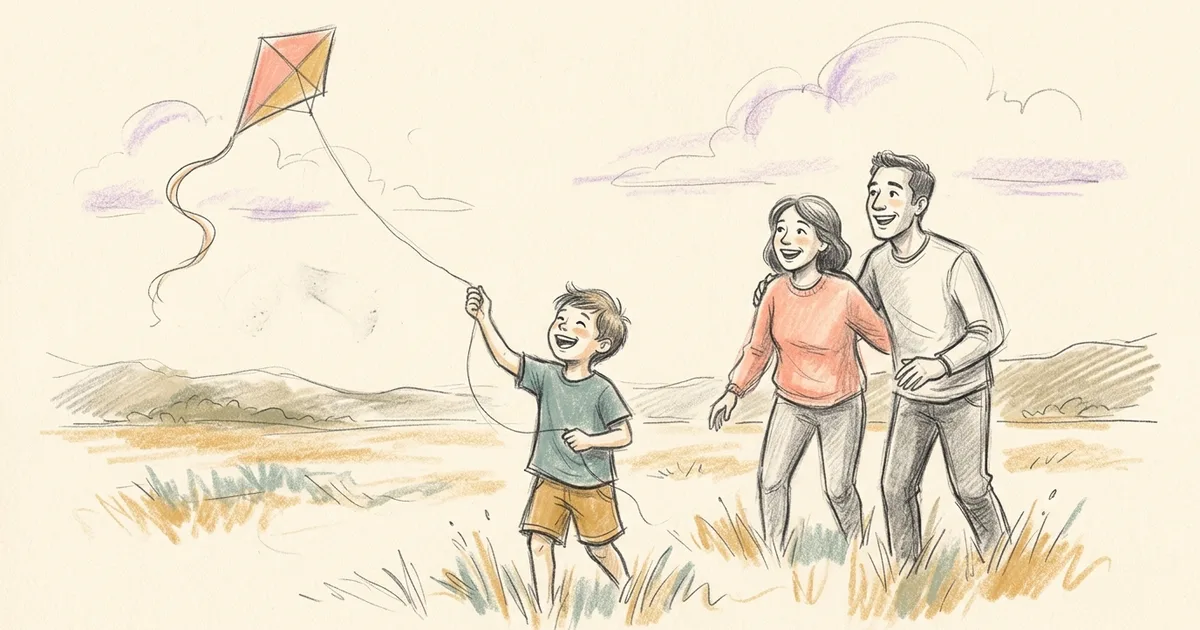
Body and face tracing pairs vocabulary with sentences children can read, say, and copy. Tracing Sentences About the Body and Face: Words and Activities for Kids works when each sentence names something a child can point to, see, or move. Begin with eyes, nose, hands, and feet. Add actions and descriptions: “I blink my eyes” or “My hair is curly.” The goal is to connect meaning, speech, reading, and letter formation.
📥 Tracing Sentences About the Body and Face
Say, trace, complete, and check useful sentences about body and face parts.
Leave your email — we'll send the PDF to your inbox.No spam — the PDF plus one short reminder. Unsubscribe anytime.
Core Words for the Body and Face
Start with nouns a child can identify on themselves, another person, a toy, or a drawing. Face words include head, hair, face, eyes, ears, nose, mouth, lips, teeth, tongue, cheeks, chin, and eyebrows. Body words include neck, shoulders, arms, elbows, hands, fingers, chest, stomach, back, legs, knees, feet, and toes.
For Tracing Sentences About the Body and Face: Words and Activities for Kids, group related words instead of filling one page with the full set. A face page might cover eyes, ears, nose, mouth, and chin. A movement page might cover arms, hands, legs, knees, and feet. Add verbs after children learn the nouns:
- see, look, blink for eyes
- hear, listen for ears
- smell, breathe for the nose
- eat, smile, speak for the mouth
- clap, hold, touch for hands
- walk, jump, bend for legs and knees
Sentence Frames That Children Can Reuse
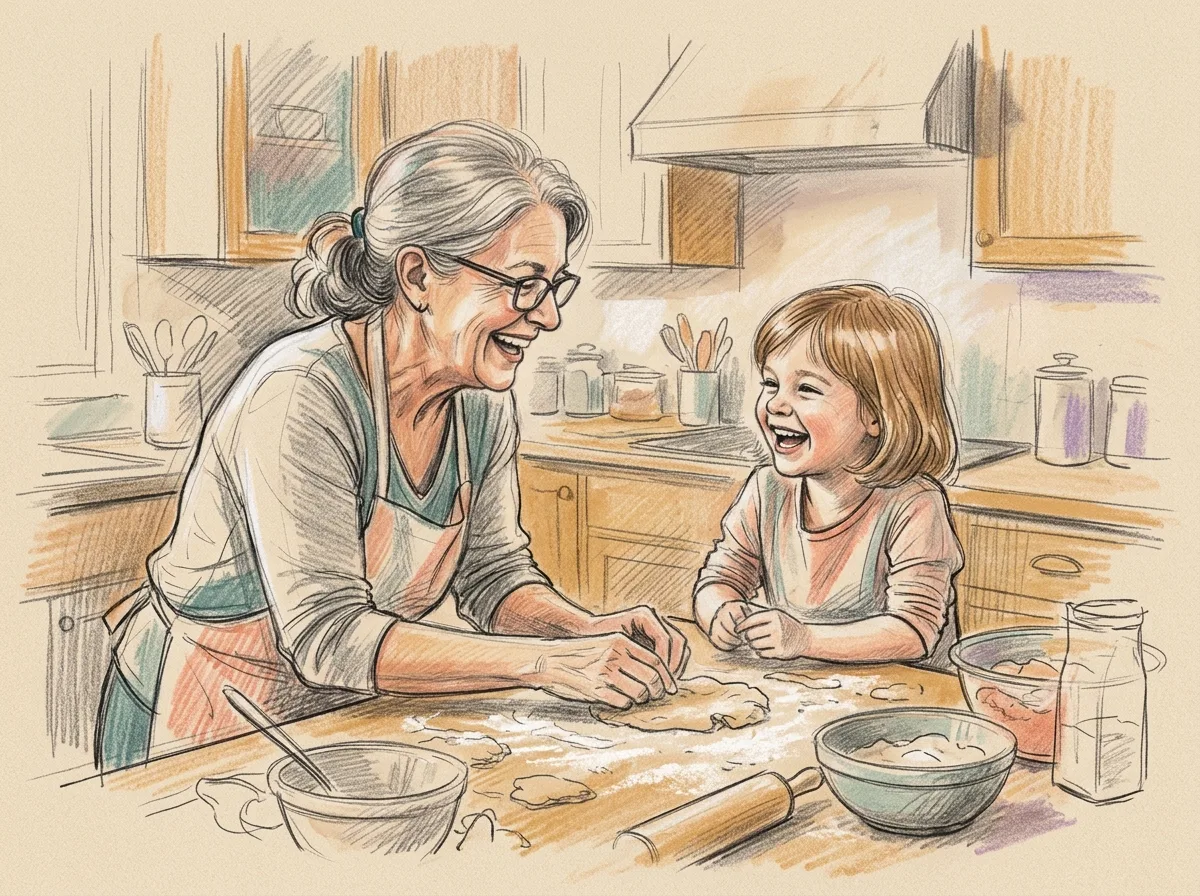
In Tracing Sentences About the Body and Face: Words and Activities for Kids, each line should use familiar language and one new learning point. “These are my eyes” teaches a plural noun and are. “I smell with my nose” links a body part to its purpose. Older learners can add detail: “My elbows bend when I throw the ball.”
Choose a frame matching the child’s grammar. Say the complete sentence before tracing. Then ask the child to point, act, or draw, giving the copied words meaning.
Personal examples can help, but children need not describe their appearance. They may write about a drawing, animal, or invented character. The grammar stays unchanged while the task remains comfortable.
A Simple Say, Trace, and Check Routine
Begin with one sentence in readable print. Point to each word while reading aloud at a natural pace. Let the child repeat the sentence, using smaller chunks if needed. Check meaning through an action or question: after “These are my knees,” ask the child to point to both knees.
The child then traces left to right, leaving spaces between words. Cover the model and invite one copied sentence. Finish with speech: the child reads the line or changes one word to create a new sentence. Stop before tired hands make the activity frustrating.
Try It: Point, Trace, Change
Write “These are my hands.” Your child points, says, and traces it. Replace hands with feet. Ask why are remains unchanged. Finish by drawing hands or feet beside the sentence.
Activities for Different Ages
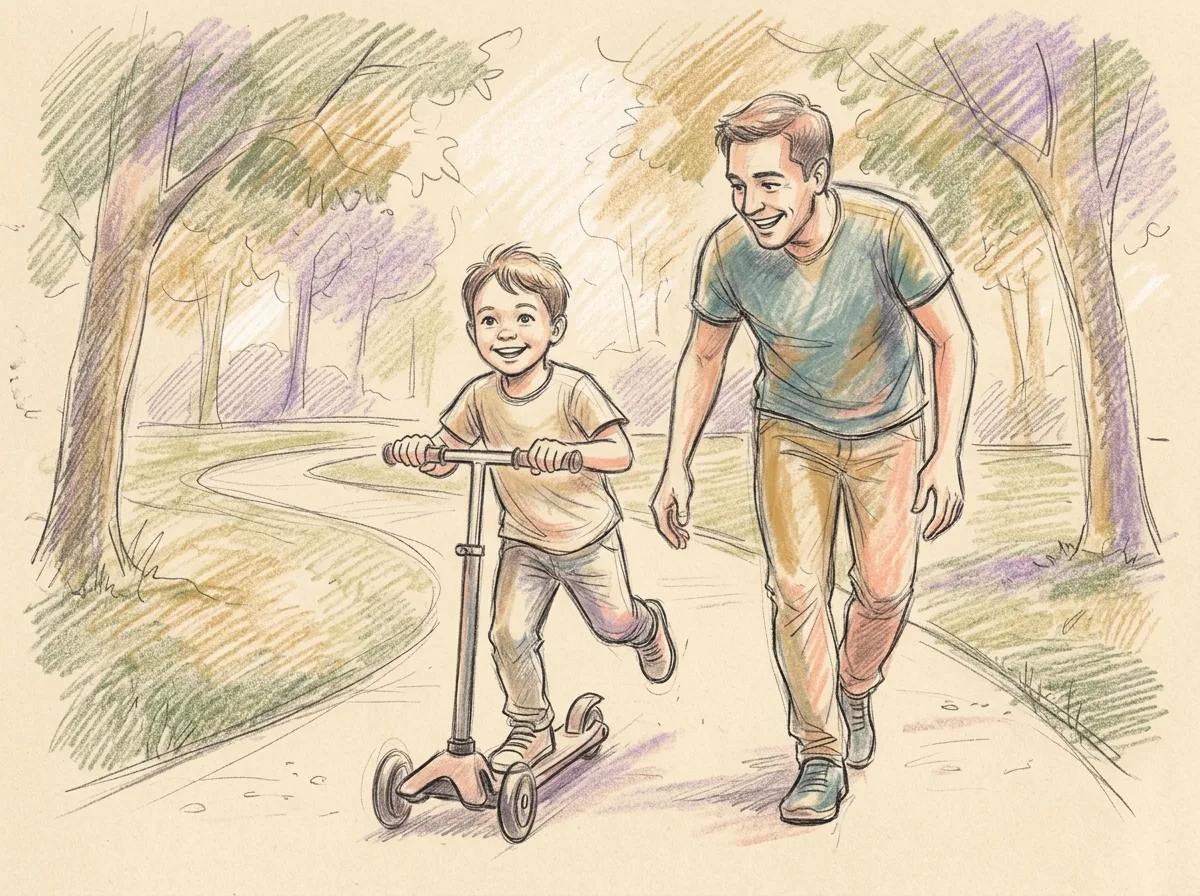
For school-age kids, use large letters, wide spacing, and one short line. Pair each line with movement: “I clap my hands,” “I stamp my feet,” or “I blink my eyes.” Children can trace with a finger before using a pencil. Chalk, sand, or a wipe-clean board reduces pressure on early writers.
For school-age kids, progress from naming to sorting and describing. Match singular and plural pairs such as foot–feet and tooth–teeth. Children can trace “This is my foot,” change it to “These are my feet,” and explain the change. Question-and-answer pairs add speaking practice: “What do you hear with?” “I hear with my ears.”
For school-age kids, keep the design age-respectful and reserve tracing for spelling or new sentence patterns. Learners can label a sports pose, describe a portrait, or expand “My knee bends” into “My knee bends when I run.” Older beginners benefit from a model, then should progress to copying and independent writing.
Practice Beyond the Worksheet
Turn Tracing Sentences About the Body and Face: Words and Activities for Kids into an activity circuit. Label a body outline, play an action-leader game, build a face from paper shapes, or hide word cards around the room. At each stop, the child says a sentence before writing it.
For face words, use a mirror. The child points to an eyebrow, cheek, or chin, then completes “This is my ___.” In LearnLink lessons, our tutors model pronunciation, wait for a full response, and adjust sentence length to each learner.
Multilingual children may understand a concept in another language before learning its English name. Accept the known word, provide the English model, and revisit it through a new game. Try five to ten minutes at home: review earlier words, add one or two, and finish with a sentence the child says independently.
Common Mistakes and Practical Fixes
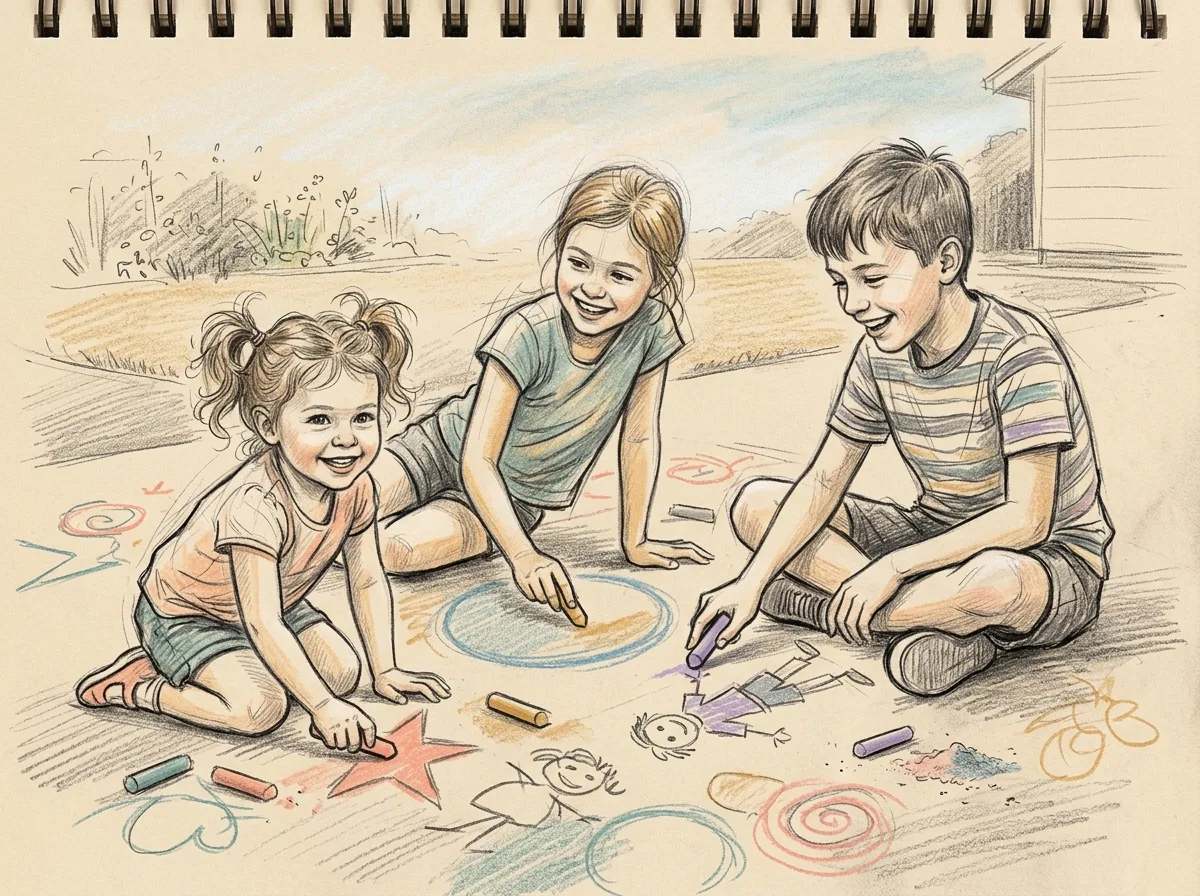
Check meaning before tracing. A child may copy “These are my shoulders” without knowing where shoulders are. Point, mime, or show a picture first. Practise unfamiliar words aloud before combining pronunciation, spelling, and handwriting.
Watch number agreement. Use “This is my nose” but “These are my eyes.” Say “My mouth is open” but “My lips are closed.” Teach tooth–teeth and foot–feet as pairs because adding -s does not form their plurals. Treat hair as singular when referring to the hair on someone’s head: “Her hair is long.”
Do not correct every uneven letter during vocabulary practice. Choose one handwriting point, such as starting at the top or leaving a space, while keeping the language goal focused. Offer choices during movement tasks: children may point to a picture, move a toy, or speak instead of touching or moving their bodies.
- Try tracing five body words daily with children ages four to six.
- Use a thick pencil and model correct letter direction before independent practice.
- Practice one face sentence twice, then let your child trace it alone.
- Correct reversed letters gently by adding starting dots and directional arrows.
- Choose an age-appropriate workbook and stop after ten focused minutes.
When a word has several meanings or pronunciations, Cambridge Dictionary is a useful check before turning it into child-friendly examples.
Frequently Asked Questions
How Many Body and Face Words Should a Child Learn at Once?
For a young beginner, start with four to six words that can be shown and used in short sentences. Review them through several activities before adding more. An older child may manage a larger set, but recall matters more than page length. Continue when the child understands and uses most words without copying the model.
Should My Child Say Each Sentence While Tracing It?
Yes, if speaking and writing together feel manageable. Read the sentence, let your child repeat it, then trace. If combining both causes hesitation, separate the steps: say, trace silently, and say again. Accurate speech matters more than matching each sound to each pencil movement.
What If My Child Can Read the Words but Cannot Form the Letters Neatly?
Reduce handwriting demands without reducing the language challenge. Use larger print, thicker pencils, finger tracing, or a highlighted model. The child can trace one key word and complete the sentence with cards or speech. If writing remains unusually hard across tasks, discuss the pattern with the child’s school instead of treating it as a vocabulary problem.
Can a Multilingual Child Use Another Language During This Activity?
Yes. Another language can show that the child understands the concept. During Tracing Sentences About the Body and Face: Words and Activities for Kids, acknowledge the known word and give the English form in a complete sentence. Invite repetition without demanding an immediate switch. Comparing plural forms or word order can help older children notice differences between languages.
If your child needs steady speaking practice, start small — choose a trial lesson.
Stay updated on our latest tips and resources by following us on Instagram LearnLink.