Compliments in English for Kids
Effective compliments name observable effort, help, skill, or thoughtful choices. Compliments in English for Kids: Words and Activities uses concrete phrases children can use and answer. “You kept trying” is clearer than “You’re amazing.” Teach replies: “Thank you” and “I appreciate that.” Practise at home, during play, or online with beginners, older learners, and multilingual children.
📥 The Kind Compliment Workshop
Practise noticing something good, saying it clearly, and replying with confidence.
Leave your email — we'll send the PDF to your inbox.No spam — the PDF plus one short reminder. Unsubscribe anytime.
Core Words and Phrases
Use Compliments in English for Kids: Words and Activities as a menu. Choose three phrases for your child’s English level and routine. Beginners: “Well done” or “That was helpful.” Confident learners can name the action: “I like how you helped your brother” or “You explained your idea clearly.”
Specific praise connects language with observable action. “You waited for your turn” identifies repeatable behaviour. Use broad labels such as “You are clever” sparingly; add evidence: “You found a new way to solve that puzzle.” Keep compliments truthful and proportionate.
Examples in Everyday Situations
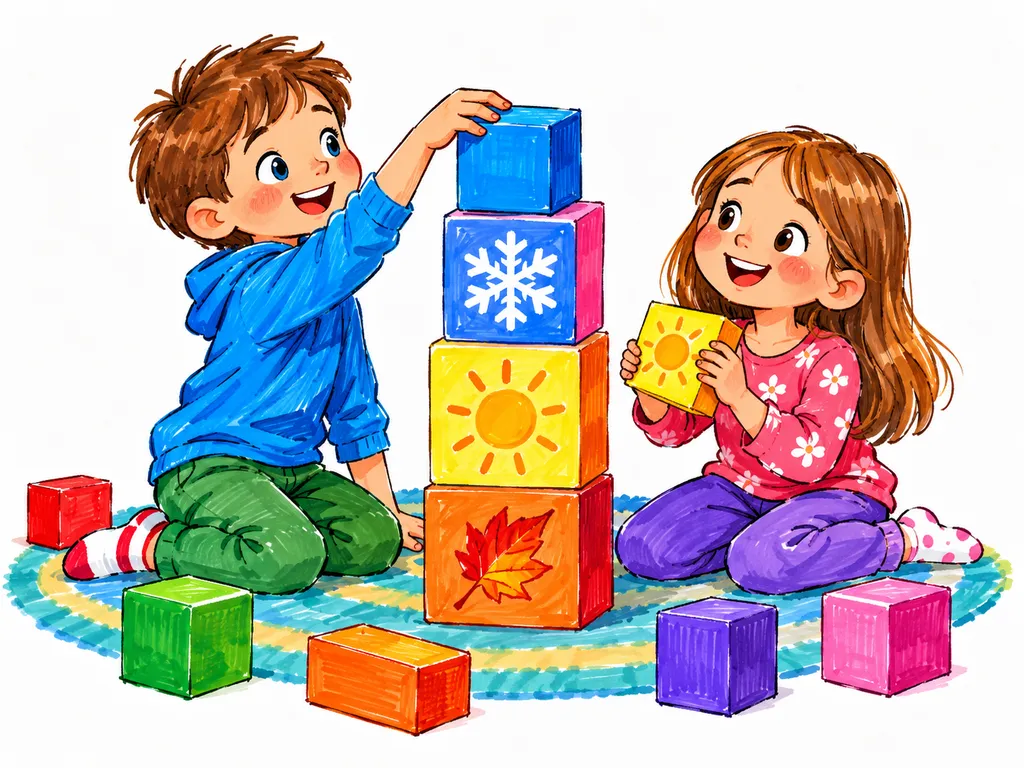
During creative play, say, “Your tower is strong because you used wide blocks at the bottom.” The child can answer, “Thank you. I tried it twice.” After reading: “You read that long sentence clearly.” Each exchange practises a compliment, reply, and supporting detail.
Children can compliment peers: “That was a smart idea,” “You helped me,” “I like your picture,” or “You explain things clearly.” When two children finish together, teach shared-credit replies: “Thank you. We worked on it together” or “We both contributed ideas.”
Compliments in English for Kids: Words and Activities develops natural communication, not perfect recitation. Accept “Thanks” before introducing a longer reply. Model the full phrase, pause for three seconds, and invite repetition. Focus on speaking, not grammar correction.
Activities for Different Ages
School-age kids: Use a toy, picture, or action. Build a tower, draw a shape, or put away three objects. Give one clear compliment; invite a reply. Swap roles. A toy can say, “I like your red hat,” and the child can answer, “Thank you.” Keep each round under a minute; repeat the pattern.
School-age kids: Play compliment detective. One person completes a task; the observer watches for effort, skill, or kindness and gives one piece of evidence: “You were considerate because you held the paper.” Children can sort phrase cards into effort, skill, kindness, and appearance, then identify the most informative comments.
School-age kids: Practise comments for projects, hobbies, games, and online chats. Replace broad praise with precision: “Nice presentation” becomes “Your examples made the presentation easy to follow.” Older learners can compare informal and formal replies, from “Thanks!” to “Thank you; I appreciate that.”
A Short Practice Routine
Turn Compliments in English for Kids: Words and Activities into a five-minute routine. Model one phrase, then change one word: “That was helpful” becomes “That was thoughtful.” Use the new phrase in a real or pretend situation. Finish with, “What did the compliment notice?” This checks meaning without translation.
Build a Specific Compliment
Choose one starter: “I like how you…,” “You did a careful job with…,” or “That was thoughtful because….” Add a real action from the day. Your child replies with “Thank you” and one detail about the effort.
Revisit phrases during family tasks. Cooking can prompt “You measured that carefully.” A board game can prompt “You waited patiently.” In multilingual homes, discuss how each language shows warmth and respect. English wording may differ, but each compliment should remain honest and appropriate to the relationship.
Common Language and Teaching Mistakes
A frequent grammar error drops the verb: say “You are kind,” not “You kind.” Use “I like your drawing,” not “I like your draw,” and “You did an excellent job,” not “You made an excellent job.” Correct mistakes by repeating the natural form; long explanations interrupt the positive moment.
Avoid using “Good job” for every success. The phrase is correct but vague alone. Add evidence: “Good job checking your spelling.” Never compare siblings or classmates with “You are better than everyone else.” Recognise progress without placing another child below them.
Never force eye contact, hugs, or an enthusiastic reply. Cultures and families signal respect differently; some children need response time. A quiet “Thank you,” smile, or nod may suffice. Avoid body or attractiveness comments during language practice. Skills, effort, choices, and caring actions provide safer teaching material.
- Use three specific compliments after one picture-book activity with children aged five to seven.
- Practice replacing vague praise with one precise observation during tonight’s homework routine.
- Avoid correcting pronunciation mid-sentence; model the phrase naturally after your child finishes.
- Choose two compliments from a familiar storybook and role-play them for five minutes.
- Record one compliment exchange, then replay it to check tone and clarity.
When a word has several meanings or pronunciations, Cambridge Dictionary is a useful check before turning it into child-friendly examples.
Frequently Asked Questions
How Many Compliment Phrases Should My Child Learn at Once?
Start with three to five phrases for weekly use. Include at least one effort compliment, one about considerate behaviour, and one reply. A beginner might learn “You worked hard,” “That was thoughtful,” and “Thank you.” Add language once your child understands and uses the phrases without reading. Older or confident learners may handle more.
Is “Good Job” a Bad Compliment?
No. “Good job” is natural English and sounds warm. It loses value when it becomes the only praise a child hears. Add detail: “Good job using a calm voice” or “Good job checking your answer.” The detail identifies the successful action and supplies language for other situations.
What If My Child Feels Shy When Receiving a Compliment?
Offer a brief reply requiring no long conversation. “Thank you” is enough. Practise with toys, role play, or written messages before speaking with others. Never demand eye contact or cheerful performance. If your child needs time, model the reply and revisit it later. Aim for polite, comfortable communication, not a fixed social display.
Can These Activities Work in a Multilingual Home?
Yes. Compliments in English for Kids: Words and Activities supports children using two or more languages. Compare when, why, and how each language expresses praise while keeping the English model clear. Word-for-word translation is unnecessary. Connect each English compliment to a real action, picture, or situation for direct meaning.
- Start with three phrases. Model one compliment, one specific detail, and one reply.
- Practise during a real task. Name the action the child can repeat.
- Try swapping roles. Let the child give a compliment and answer one.
Want to see how these ideas work in a real lesson — try a LearnLink trial lesson.
Stay updated on our latest tips and resources by following us on Instagram LearnLink.