Creative Ways to Make Reading Fun for Kids
Making reading fun gives a child choice, purpose, and an active role. The best creative ways to make reading fun for kids turn books into conversation, play, movement, art, or family rituals. A child can hunt for clues, voice a character, draw a missing scene, or read instructions while making a snack. These ideas suit picture books, comics, factual texts, poems, and longer stories. Start with accessible material, keep sessions short, and finish while the experience feels positive.
📥 The Reading Adventure Toolkit
Simple routines, smart choices, and playful activities for reading at home
Leave your email — we'll send the PDF to your inbox.No spam — the PDF plus one short reminder. Unsubscribe anytime.
What Makes Reading Feel Enjoyable
Children read more willingly when they control the choice. Offer two or three suitable titles: perhaps a joke book, an animal story, or a comic. Each provides reading practice. A child fascinated by space need not begin with a long novel.
Understanding matters more than performance. If each line contains unfamiliar words, the book becomes a test. Choose an easier text, alternate pages, or let your child follow the print while you read aloud. Discuss one new word instead of correcting each difficulty.
The strongest creative ways to make reading fun for kids connect books with existing interests. A football fan might read player profiles. A child who loves building can follow model instructions. Interest creates a reason to understand the words.
Build a Routine That Children Can Keep
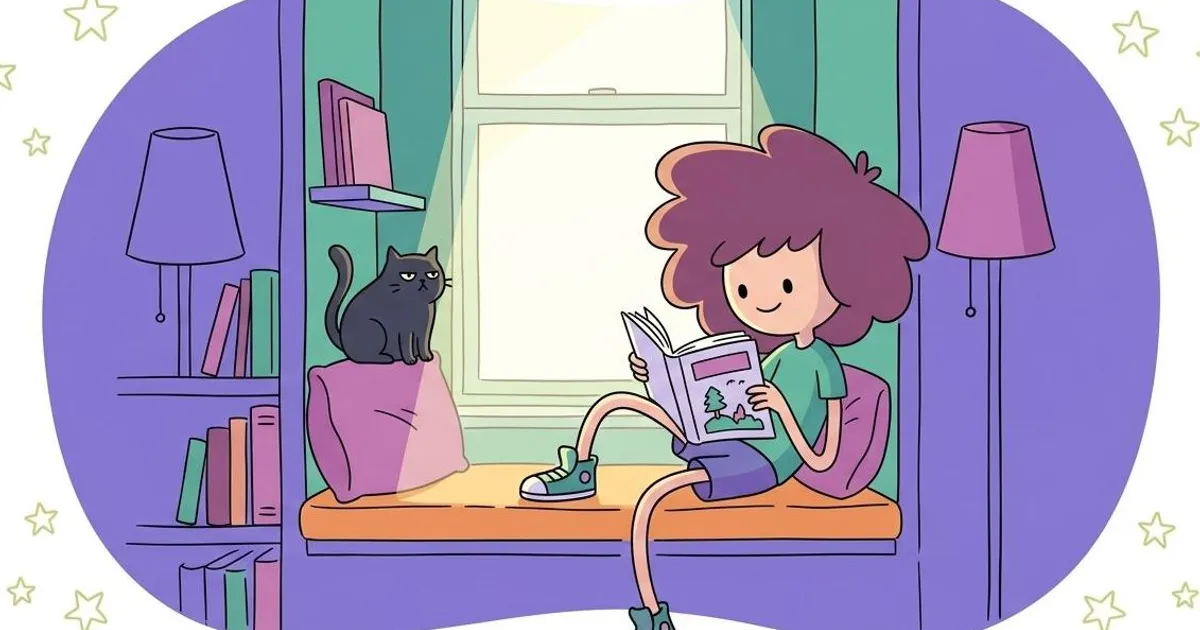
Attach reading to a reliable time: after breakfast, before an evening story, or during a journey. Ten calm minutes repeated often beat one long session ending in conflict. Keep books visible and within the child’s reach.
Mark the routine’s beginning and end. A timer, bookmark, or regular stopping place sets expectations. Stop at a natural break even when the chapter continues. Curiosity about the next page can encourage tomorrow’s reading.
Choose one or two creative ways to make reading fun for kids each week instead of changing activities daily. Use character voices on Monday and draw a favourite scene on Friday. Familiarity reduces effort; small changes maintain interest.
Choose the Right Text and Format
Reading material should match skill and interest. A nine-year-old beginner may need plain language without childish themes. An advanced six-year-old may decode a difficult book yet need help with fear, humour, or cultural references. Consider age, reading level, and emotional fit separately.
Match formats to goals. Print books reduce distractions; digital texts may provide audio or adjustable type. Comics convey meaning through pictures and dialogue. Audiobooks support reading when a child follows the printed words, pauses to predict, or retells events.
Examples for Different Ages
For school-age kids, make reading physical. Children can point to repeated words, clap at rhymes, copy an animal’s movement, or arrange picture cards in story order. Read most of the text when needed. Shared attention and pleasure matter more than independence at this stage.
For school-age kids, add short missions. Ask the child to find a suspicious clue, choose the funniest line, design a new cover, or message a character. These creative ways to make reading fun for kids encourage rereading without turning the book into a worksheet.
For school-age kids, respect growing independence. Readers can compare a book with its screen version, create a short review, build a character playlist, or debate whether a decision was fair. Skip chapter-by-chapter checks. One thoughtful conversation reveals more understanding than repeated factual questions.
Practical Activities for Reading at Home
Turn reading aloud into a shared performance. Divide roles, appoint a narrator, and add sound effects. A hesitant reader can start with one repeated line. When pronunciation breaks the flow, model the complete phrase and invite another attempt without repeated drilling.
The Clue Collector
Before reading, choose a question such as “Who took the key?” or “Why is the dog hiding?” During the story, mark three clues with small paper tabs. At the end, your child explains which clue was most useful and whether the prediction changed.
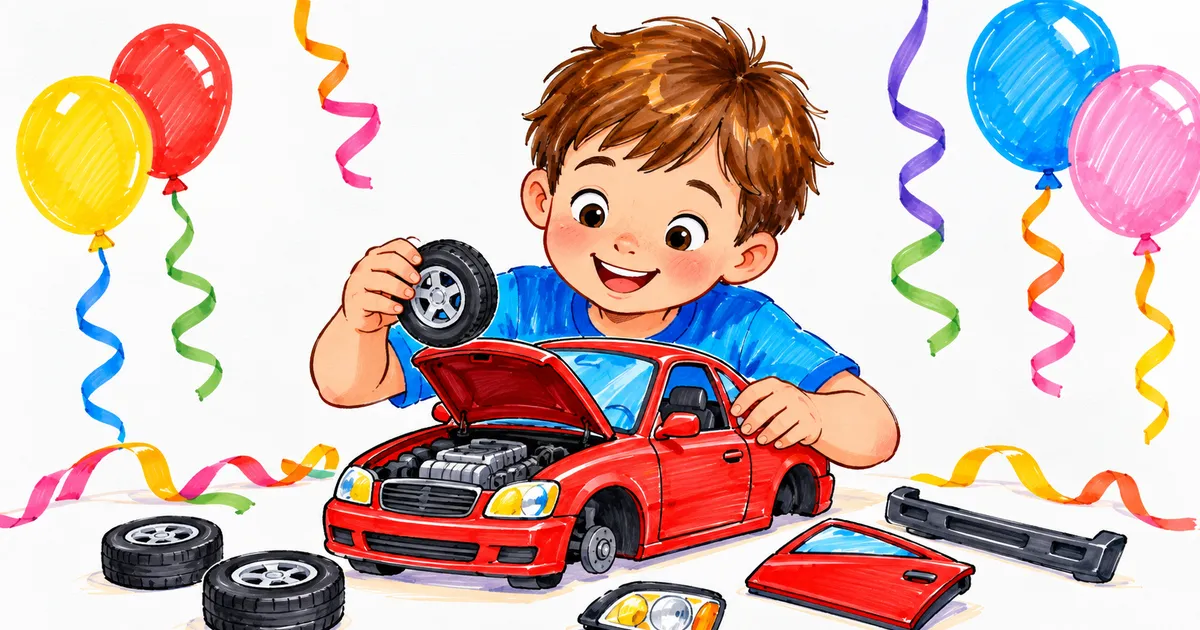
Books can inspire making. Build a setting from blocks, draw the journey, cook food from the story, or add a speech bubble to a comic. The project should deepen attention, not replace reading. Ask your child to identify the page that inspired it.
Change One Detail
Choose one part of a familiar story and change it: the setting, an object, or a character’s choice. Ask, “What would happen next?” Your child can answer aloud, draw the new scene, or write a short ending. Then compare the new version with the original.
Try a family reading menu. Write activities on paper slips: read under a blanket, act out a page, find a surprising word, or retell the scene with toys. Let the child choose. Such creative ways to make reading fun for kids create novelty while keeping attention on the book.
Support Reluctant and Multilingual Readers
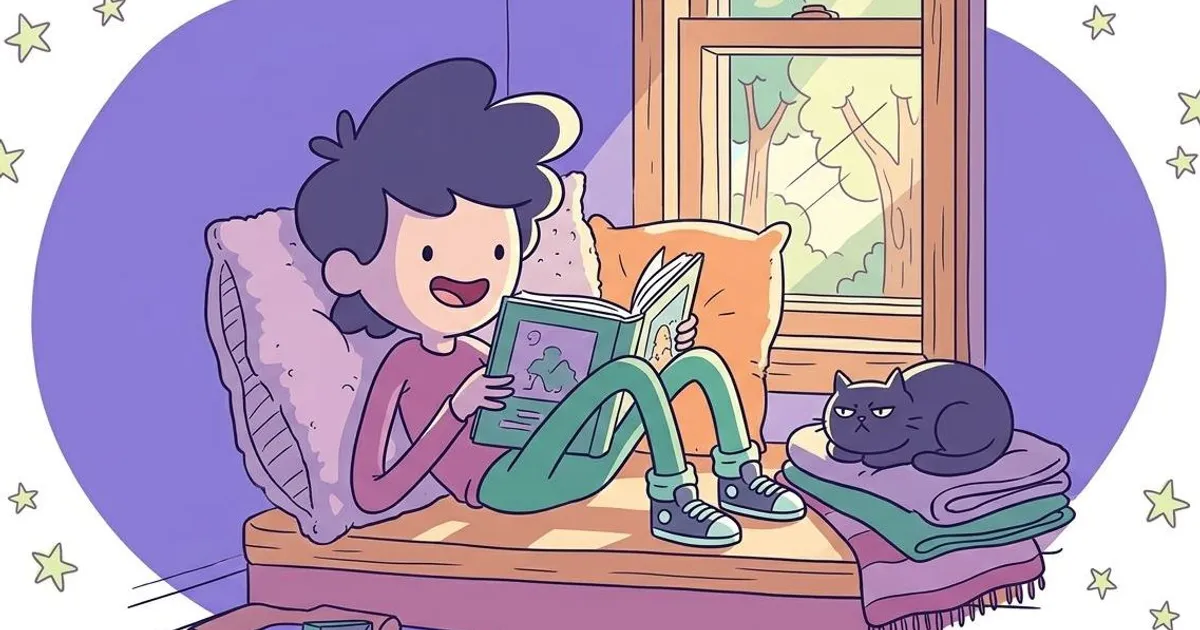
Reluctance often has a practical cause: difficult text, tiring print, a dull subject, or fear of correction. Change one condition before judging motivation. Try larger type, a shorter text, paired reading, or the child’s chosen topic. If reading remains unusually difficult, consult the child’s school instead of applying more pressure.
A multilingual child may discuss a story in one language and read it in another. This builds meaning. Invite comparisons between phrases, explanations of cultural details, or a plot retelling for a relative. Keep discussion warm and specific.
Across LearnLink lessons, our tutors use short texts, questions, and guided reading at the child’s pace. Parents can support the habit without recreating a classroom. Read together, recognise effort, and reserve formal correction for focused moments.
- Try a five-minute comic session with reluctant readers ages six to nine.
- Use bilingual picture books, reading one page aloud before your child responds.
- Let your child choose between three high-interest books at their reading level.
- Practice echo reading for ten minutes, repeating expressive sentences together without correction.
- Celebrate one completed chapter with a sticker, drawing, or favorite family game.
For reading and phonics support beyond the article examples, Scholastic Parents is a helpful independent resource for parents.
Frequently Asked Questions
How Long Should My Child Read Each Day?
Begin with a period your child can complete calmly. For a young or reluctant reader, this may be ten minutes. An older child absorbed in a book may continue longer. Regularity matters more than a fixed target. Count shared reading, comics, recipes, and factual books when the child actively interprets text.
Should I Correct Every Reading Mistake?
No. Correct mistakes that change meaning or block understanding. If the child substitutes a word but understands the sentence, continue reading. To correct, point to the word, pronounce it, and reread the phrase together. Frequent interruptions can disrupt both the story and motivation.
What If My Child Only Wants Comics or the Same Book?
Comics develop sequence, inference, dialogue, and visual literacy. Repeated books build confidence, phrasing, and deeper understanding. Accept the preferred text, then expand gently. Offer another comic by the creator, a factual book about the subject, or a story featuring a similar character. Expansion works better than banning a favourite.
Which Creative Reading Ideas Work When a Child Resists?
Start with creative ways to make reading fun for kids that reduce pressure: let the child choose, share the reading, use character voices, or stop after one satisfying scene. Avoid rewards tied only to page totals. Check whether the material is too difficult. A child struggling with nearly every sentence needs easier text and patient support, not a more elaborate game.
A short one-to-one lesson can show what level and pace fit your child — book a free English lesson.
Stay updated on our latest tips and resources by following us on Instagram LearnLink.