English Blends and Digraphs for Kids

Early readers usually learn two pattern types after single letters: digraphs, where two letters make one pronunciation, and blends, where two or three consonants stay audible. English blends and digraphs for kids cover ship, chair, black, frog, street, and duck. A digraph uses two letters as one team, as in sh or ch. A blend keeps each consonant present, as in bl, st, or spr. Teach four steps: hear it, see it, say it, use it in a short sentence.
📥 Blends and Digraphs Practice Cards
A child-friendly word set for hearing, reading, and saying common English consonant patterns.
Leave your email — we'll send the PDF to your inbox.No spam — the PDF plus one short reminder. Unsubscribe anytime.
What Families Need to Know
Blends and digraphs appear often in early English reading because English spelling is not always one letter for one pronunciation. In shop, s and h work together as one unit. In stop, s and t keep their own pronunciations, spoken close together.
The difference matters. If a child treats sh as two parts, ship may become “s-hip.” If a child misses one consonant in a blend, frog may become “fog.” English blends and digraphs for kids should start with listening, then letters, then words.
For bilingual and multilingual children, progress may take extra time. Some home languages use different consonant pairs, so the child may need more listening practice before spelling feels steady.
Blends and Digraphs Side by Side
A short comparison helps children see why these patterns differ. Keep words short first. Use words the child can picture, act out, or draw.
Use the table as a home reference. Choose one row, practise for a few minutes, and return to it during reading or play.
Slow the word without making a chant. A child may say “ffff-rrr-og,” then blend it back into frog. The focus stays on real reading, not isolated sounds.
Common Digraphs Children Meet First
The first digraphs children meet are sh, ch, th, wh, and ck. They appear in words such as shop, fish, chip, rich, thin, this, when, duck. The th pattern needs care because it has two pronunciations, as in thin and this.
Start with one digraph at the beginning and one at the end. Use ship, shop, shell, then fish, dish, wish. Children need to hear that sh can appear in more than one place.
When teaching English blends and digraphs for kids, avoid long word lists too early. A school-age child may read chip but struggle with chicken because the word is longer. Keep success close. Add length after the pattern is secure.
Common Blends Children Meet First
Early blends often start words: bl, cl, fl, gl, pl, sl, br, cr, dr, fr, gr, pr, tr. Later, children meet ending blends such as -st, -mp, -nd, -sk, and -ft.
Use mouth and ear work together. Ask your child to say black slowly, then ask, “Do we still hear /b/ and /l/?” In frog, they should hear /f/ and /r/. If one part disappears, choose an easier word and return later.
Three-letter blends such as spl, spr, str, and scr are harder. A child who reads stop and frog may still need time for street or splash. The earlier learning has not failed; the pronunciation load is heavier.
How to Use This at Home
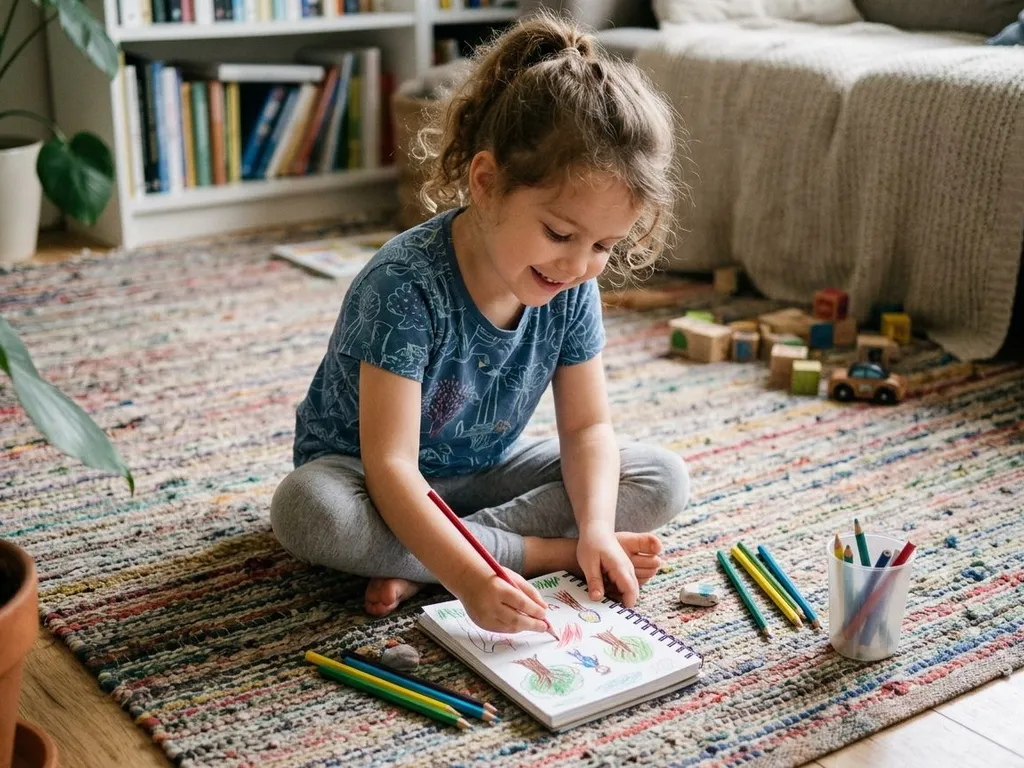
Five minutes a day is enough for most families. Choose one pattern, say three words, read three words, and write one short sentence. Example: sh: ship, shop, fish. Then write: The fish is red.
Keep practice warm and calm. If your child guesses, ask them to point to the letter team and say it aloud. If they still cannot hear it, say the word and let them repeat it. The goal is a model, not a test.
English blends and digraphs for kids work best with books, labels, games, and daily talk. At breakfast, spot spoon and snack. At the park, notice swing and slide. In a story, pause at chair or sheep.
Examples by Age
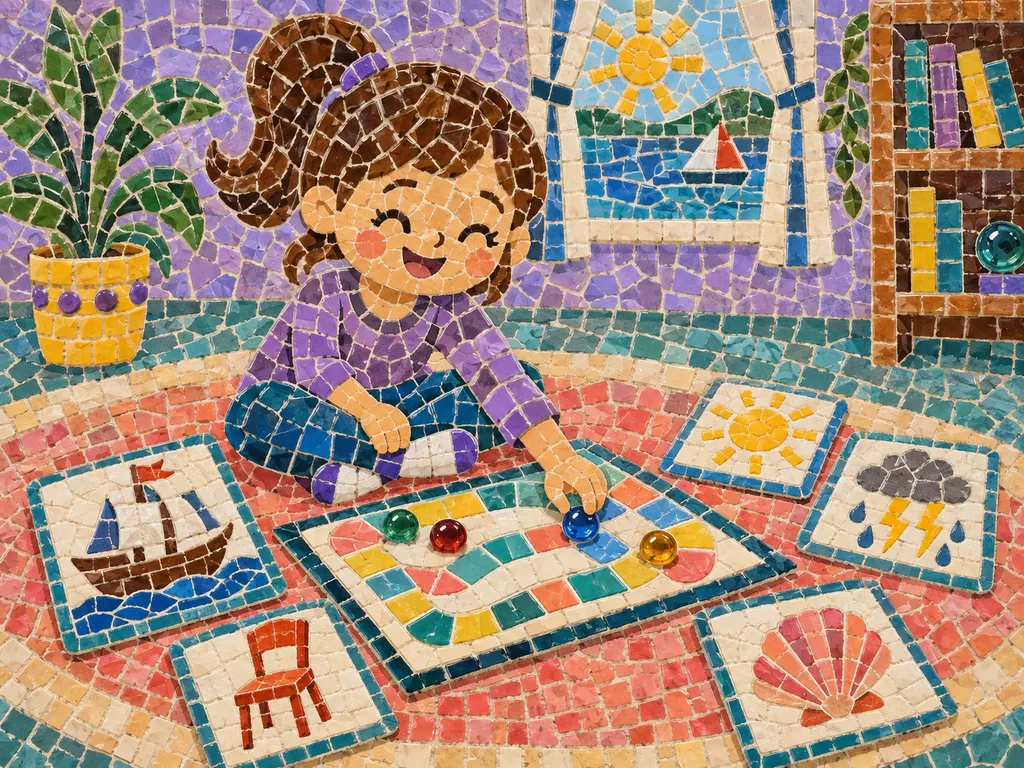
For school-age kids, use sound play, pictures, and movement. Children can sort toy animals into “sh words” and “not sh words,” clap when they hear ch, or draw a shop with three things inside it. Writing can stay large, slow, and playful.
For school-age kids, add short reading and spelling tasks. Ask your child to read ten words with one pattern, then choose two for sentences. Use pairs such as ship and chip, thin and chin, black and block, so the child notices small pronunciation changes.
For school-age kids, keep the tone age-respectful. Older beginners do not need babyish pictures. Use words such as travel, strong, school, phrase, choice, through, and graph. English blends and digraphs for kids can be taught clearly without making older learners feel young.
Practical Activities
Sound sorting is a strong first activity. Write six words on paper slips: ship, shop, fish, chair, chip, rich. Ask your child to sort them by sh and ch, then read each group aloud. Sorting trains eye and ear.
Word building works well. Give the child letter cards for s, h, o, p, i, f. Build shop, then change one letter to make ship. With blends, build frog, then change f to b for brog only as a “silly word” if your child enjoys it. This shows how consonants move inside words.
The ship is big.
Sit on the chair.
The line is thin.
The hat is black.
A frog can jump.
The street is quiet.
Practice 1: Choose the Digraph
Fill each gap with sh, ch, th, or ck: 1. _ip 2. du_ 3. _in 4. _air 5. fi_. Then read each word aloud and ask whether the letter team is at the start or the end.
Practice 2: Hear the Blend
Say each word slowly, then write the two starting consonants: black, frog, swim, tree, clap, green. For an extra step, use one word in a sentence about your home, school, or favourite game.
Practice 3: Fix the Mistake
Read the child spelling and write the correct word: sip for ship, fog for frog, cap for clap, tin for thin, bak for black. Ask your child to explain which consonant or letter team was missing.
Common Mistakes to Watch For
One frequent mistake is teaching blends as one unit. In bl, both /b/ and /l/ matter. If a child says lack for black, they may not hear the first consonant yet.
Another mistake is moving too fast from easy digraph words to long words. A child may handle shop but not shoulder. Build in small steps: shop, shell, fish, then longer words when the short ones are fluent.
Children may confuse letter names with pronunciation. They may say “ess-haitch” instead of /sh/. Letter names have their place, but reading needs the spoken pattern. When practising English blends and digraphs for kids, ask, “What do these letters make here?”
- Try five blend picture cards with your child for ten minutes today.
- Practice reading one decodable book that highlights sh, ch, and th.
- Use magnetic letters to build ten words with bl, st, and gr.
- Ask your child to sort six digraph words and six blend words.
- Review mistakes gently by saying each sound, then rereading the whole word.
When a word has several meanings or pronunciations, Cambridge Dictionary is a useful check before turning it into child-friendly examples.
Frequently Asked Questions
What Is the Difference Between a Blend and a Digraph?
A digraph is two letters that make one pronunciation, such as sh in ship or ch in chair. A blend is two or three consonants where each part can still be heard, such as bl in black or str in street. Children need spoken examples before the difference feels clear.
Data current as of July 2026.
At What Age Should Children Learn Blends and Digraphs?
Children often begin simple digraphs and blends around early reading age, but readiness matters more than a fixed birthday. One child may enjoy hearing sh and ch in picture words. Another beginner may need the same patterns through more mature words and sentences.
Why Does My Child Read the Word Correctly One Day and Forget It the Next?
New patterns need repeated practice in different places: a word card, a sentence, a book, and spelling. If your child forgets, return to a smaller step. Read three words with the same pattern, then one short sentence. Fluency grows through calm repetition.
How Can Multilingual Families Practise These Sounds?
Use English pronunciation without judging the home language. Some languages do not have th or certain consonant blends, so the child may need more listening and mouth practice. Say the word clearly, let your child watch your mouth, and connect the word to a real object or action.
How Often Should We Practise English Blends and Digraphs for Kids?
Short practice works better than long drilling. Try five minutes, four or five times a week. Read a few words, write one sentence, and notice the pattern later in a book or daily routine. Stop before your child becomes tired; steady confidence helps learning stick.
- Start with one pattern, such as sh or bl, and practise it for five minutes.
- Use three real words before adding a sentence.
- Ask your child to point to the letter team, say it, and read the whole word.
- Practise again in a book, label, game, or daily routine.
LearnLink teaches English to children aged 4-15 and has supported 4,000+ families, so these steps can support both early readers and older beginners learning English blends and digraphs for kids.
Want to see how these ideas work in a real lesson — try a free LearnLink lesson.
Stay updated on our latest tips and resources by following us on Instagram LearnLink.