English Fluency Milestones for Kids by Age
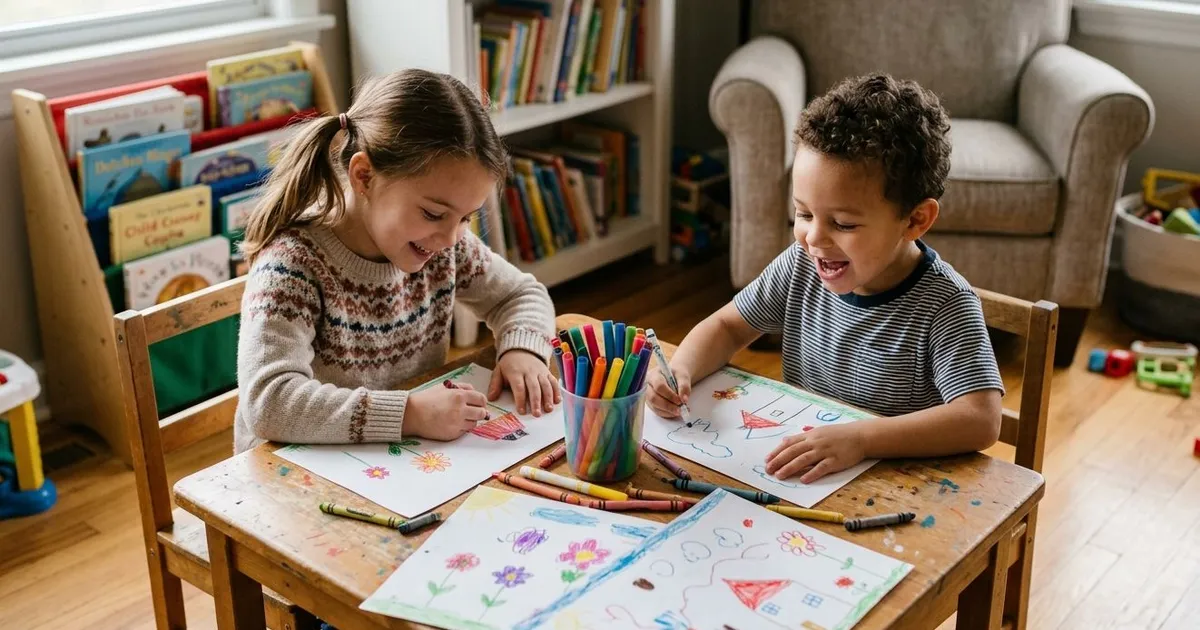
Fluency shows up as age-matched actions: a 5-year-old names a familiar object, an 8-year-old asks for help, and a 12-year-old explains an opinion in a brief paragraph. English fluency milestones for kids by age are practical signs of what a child can understand, say, read, and write at each stage, not a race or fixed promise. Multilingual children may move unevenly: listening first, then speech, reading, and writing. This guide helps families track progress and practise at home without turning English into a test.
📥 English Fluency Milestones by Age
A printable checklist for noticing real progress in listening, speaking, pronunciation, confidence, reading, and writing.
Leave your email — we'll send the PDF to your inbox.No spam — the PDF plus one short reminder. Unsubscribe anytime.
What Fluency Really Means for Children
For children, fluency means using English with growing ease for real purposes: greeting, asking, describing, choosing, joking, reading, and later explaining ideas. It does not mean speaking fast or using long words. A child who pauses, thinks, and says a sentence is building true fluency.
The phrase english fluency milestones for kids by age is a map, not a timetable. One child may speak early but avoid reading. Another may read well yet need time to answer aloud. A balanced view looks at listening, speaking, pronunciation, vocabulary, grammar, confidence, and age-appropriate independence together.
Milestones by Age Band
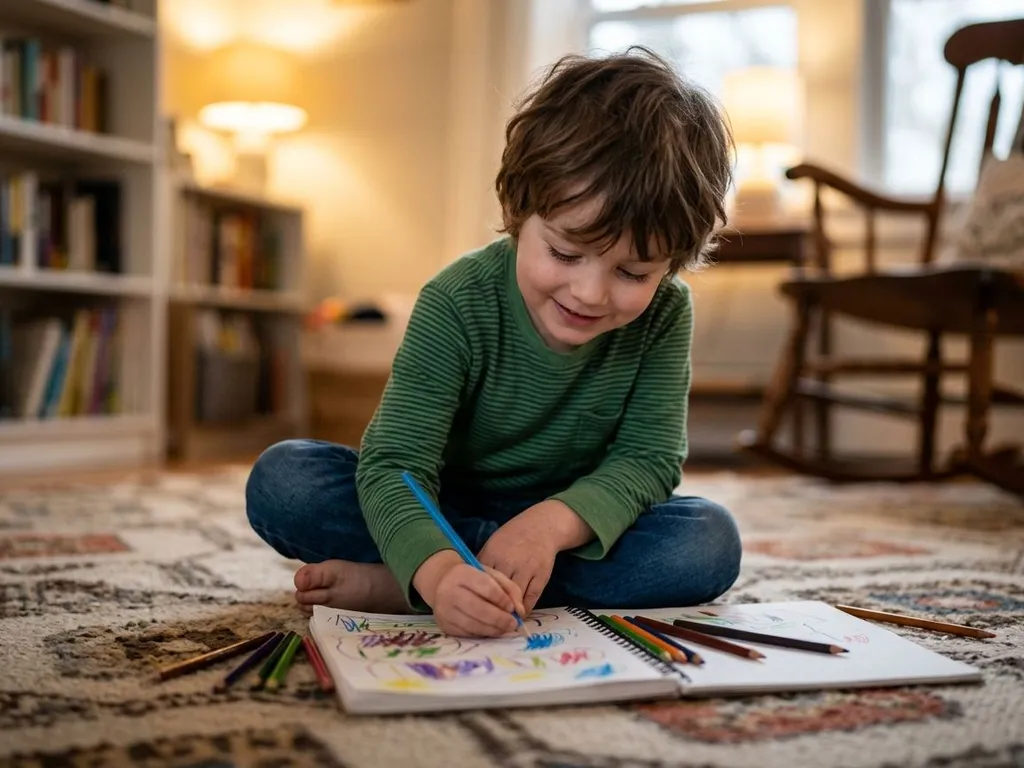
For younger learners, early progress means sound, rhythm, routine language, and meaning. Children may name colors, toys, animals, family members, foods, and classroom actions. They often answer with one word, a chunk such as “I want blue,” or a memorised line from a song or story. Listening comes before full sentences.
School-age kids can build concise sentences, ask basic questions, and follow two-step instructions. They notice grammar patterns: “He likes,” “I went,” “There are.” Ages 10-12 can compare, explain preferences, and retell a brief text. Teenagers need clearer opinions, topic vocabulary, longer turns, and careful writing.
When families use english fluency milestones for kids by age, ask: “What language can my child use without heavy help?” That keeps the focus on growth, not pressure.
Listening and Speaking Signs to Watch For
Listening is the quiet part of progress. A child may understand “Open your book,” “Choose one,” or “Tell me again” before saying much back. Younger children may point, act, or choose correctly. Older children should ask for help in English: “Can you repeat?” or “What does this mean?”
Speaking grows from single words into sentence frames, then flexible language. A 6-year-old saying “big car” is on the way. A 9-year-old saying “The car is bigger than the bike” is using a pattern. A 14-year-old saying “I agree, but only in two cases” is managing ideas, not just grammar.
Pronunciation and Confidence
Measure pronunciation by clarity, not accent removal. Children can keep traces of their home language and still speak English well. The goal: another English speaker understands the child without strain. Sounds such as th, brief i in “ship,” and final consonants in “cat” or “played” often need slow practice.
Use small sound checks, not long correction sessions. Ask your child to feel where the tongue goes for th, compare “three” and “tree,” then use the sound in a phrase: “three thin things.” For younger children, rhythm and rhyme help. For older children, recording one sentence and listening back builds self-awareness.
Sound Practice: Final Consonants
Say these pairs slowly, then put one word in a sentence: “bee” and “bead,” “car” and “card,” “play” and “played.” Ask your child to make the last sound small but clear.
Reading and Writing Milestones
Reading fluency begins with matching spoken words to print. Younger learners may recognise labels, names, and simple words after hearing them often. School-age kids can read sentences with picture support. By 10-12, many children can read brief texts and find the main point. Teenagers should practise reading for detail, tone, and opinion.
Writing develops more slowly than speaking. A young child may copy words, fill gaps, then write one sentence. Older children can move from sentence answers to concise paragraphs with a beginning, details, and a clear ending. English fluency milestones for kids by age should include writing, but writing should not be the only proof of learning.
Mini Writing Ladder
Choose one topic, such as “my room.” Younger learners name three things. School-age kids write two sentences. Ages 10-12 add one reason. Teenagers write five sentences with one example.
How to Use Milestones at Home
Pick one small aim for two weeks. For a 5-year-old: answering “What color is it?” For an 8-year-old: asking “Can I have…?” For an 11-year-old: retelling a brief video in three sentences. For a teenager: giving an opinion with “because” and one example.
Keep practice regular. Five minutes of speaking practice beats a long worksheet after a tiring school day. In 1-on-1 online lessons, English tutors for kids can use the same idea: one step, repeated in different contexts, until the child uses it with less help.
English fluency milestones for kids by age work best when parents record evidence. Write down one sentence your child said this week, one word they read alone, and one moment when they understood without translation. This gives a truer picture than a test score.
Two-minute Speaking Check
Ask three questions: “What do you see?” “What is happening?” “What do you think?” Accept brief answers first, then help your child add one more word or one more reason.
When Progress Looks Uneven
Uneven progress is common, especially in multilingual homes. A child may understand English from videos but feel shy in live conversation. Another child may speak freely but spell slowly. This is not failure. It shows which skill needs the next step.
Watch for steady signals: less translation, faster response to familiar questions, clearer sounds, complete sentences, and repair when communication breaks down. If a child can say “I don’t know the word, but it is like…” that is an important fluency milestone.
Use english fluency milestones for kids by age alongside your child’s setting: school demands, home languages, confidence, and lesson history. A child learning a third language may need more silence at first, but that silence can be active listening.
- Track English fluency milestones for kids by age monthly, noting two new strengths.
- Practice five-minute picture retells after reading The Very Hungry Caterpillar.
- Use one wait-time question after school, then listen for ten seconds.
- Read one graded reader twice weekly, choosing level B for ages six to seven.
- Celebrate one clear sentence today before correcting grammar or pronunciation.
For the child-development context behind this advice, American Academy of Pediatrics gives a broader reference point for parents.
Frequently Asked Questions
How Fast Should a Child Become Fluent in English?
There is no honest single timeline. Age, lesson frequency, home exposure, confidence, reading level, and other languages matter. A stronger measure is whether a child can do more with English every month: understand a new instruction, answer with a fuller sentence, read a brief text, or explain a simple idea. English fluency milestones for kids by age help you notice growth without expecting every skill to rise at the same speed.
Should Every Mistake Be Corrected?
No. Correct the mistake that blocks meaning or matches the current lesson aim. If a child says “He go school,” answer naturally: “Yes, he goes to school.” This gives the right form without stopping the conversation. During focused practice, one correction helps. During free talk, too much correction can make children speak less.
Is Accent a Problem for Young English Learners?
An accent is not a problem by itself. The aim is clear speech. If listeners understand a child, the accent does not need to disappear. Work on sounds that change meaning, such as “ship” and “sheep,” or missing final sounds such as “cold” becoming “coal.” Compact, playful practice works better than asking a child to repeat the same word many times.
What If a Child Understands English but Does Not Speak?
Start with low-pressure choices. Ask the child to point, choose, repeat one word, or finish a sentence you begin. Then move to short answers: “red car,” “I like it,” “because it’s funny.” Some children need a longer listening period before they speak. Praise the attempt, not just the correct sentence, and keep the task small enough to succeed.
- Start with one age-appropriate skill, such as naming, asking, retelling, or giving a reason.
- Practice for five focused minutes and stop before the task feels heavy.
- Record one real example each week so progress stays visible.
Start your child's English journey today — book a trial lesson with LearnLink.
Stay updated on our latest tips and resources by following us on Instagram LearnLink.