English Show and Tell for Kids
One real item, three short sentences, one friendly question can turn English practice into speech. English show and tell for kids gives children a compact speaking task: show a picture, book, toy, craft, photo, or handmade model, then explain it in English. The object anchors talk. A beginner may share three teddy-bear sentences. An older learner may compare two football boots or explain a science model. The aim stays brave communication: naming, describing, explaining, answering, listening.
Why This Activity Matters
Show and tell gives children a real reason to speak. Instead of repeating random textbook lines, they talk about their own world. That personal link helps shy children, first-time online learners, and bilingual children who understand English before they feel ready to use it.
English show and tell for kids builds classroom habits that last. Children practise waiting, watching the speaker, asking a kind question, and giving a short answer. These are school skills as well as language skills.
Younger children build vocabulary and grammar: “This is my car,” “It is red,” “I play with it.” Older children build order, reason, detail, and opinion: “I chose this book because the story changes halfway through.”
What You Will Find in This Guide
This guide helps parents and teachers plan English show and tell for kids at home, during an online lesson, or inside a small group. It covers topic choice, short-talk preparation, level support, and calm pacing.
You will find examples, a level table, a short practice block, and common parent questions. The goal: speech practice without performance pressure.
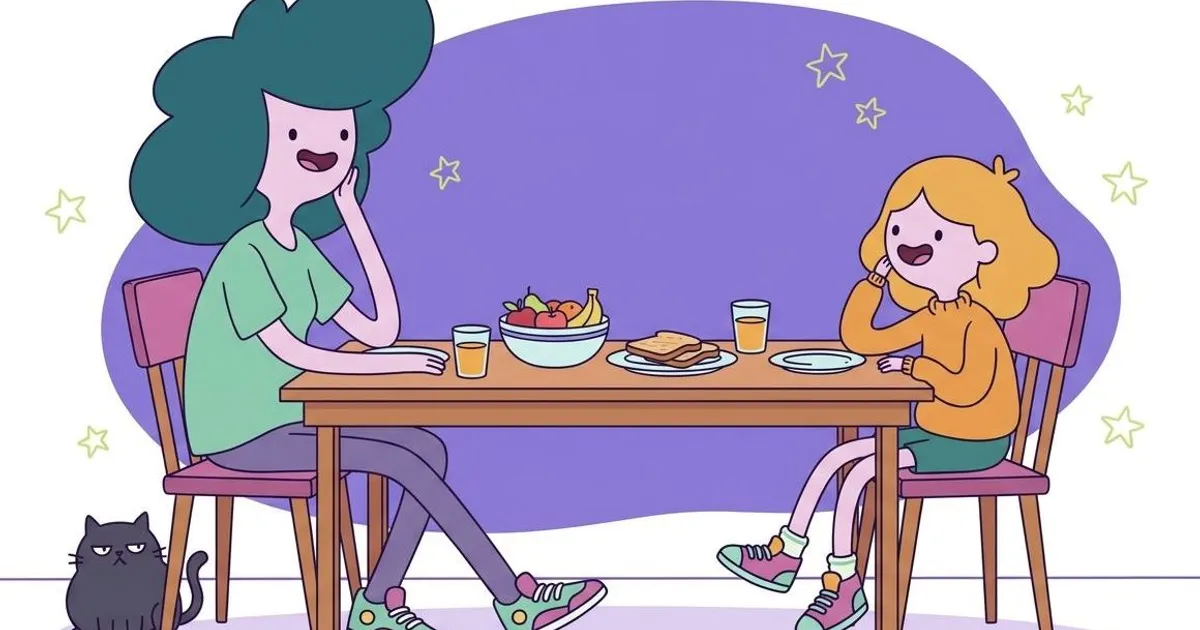
The same idea works at the kitchen table with a toy, drawing, snack box, or family photo. Children speak more willingly when topics feel visible, familiar, concrete.
Step-by-step Approach
Start with one item. Let your child choose from three options: a toy, book, or drawing. Too many choices slow the lesson. For a young child, hold up each choice and ask, “Which one do you want to show?”
Next, prepare three sentences: name it, describe it, say why it matters. Example: “This is my dinosaur. It is green and has big teeth. I like it because it can stand on my desk.” Older children can add a fourth sentence with a fact, memory, or opinion.
Then practise once, not ten times. Children need confidence, not a script they fear forgetting. After the talk, ask one or two friendly questions: “Where did you get it?” “Who uses it with you?” “What would you change about it?”
Choosing the Right Topic
The strongest show and tell topic is concrete. A real item beats an abstract idea because your child can point, hold, compare, describe. A pencil case brings colours, numbers, school words, and daily routines. A football shirt brings teams, weather, practice, and friends.
For English show and tell for kids, avoid topics needing heavy background knowledge. “My favourite animal” usually works better than “endangered species.” “My lunchbox” beats “healthy eating around the world.” Older children can handle wider themes, but still need firm limits.
Strong choices include a favourite toy, family recipe card, sports item, craft project, pet photo, holiday souvenir, musical instrument, book, plant, or paper-and-tape invention.
Level Guide by Age
Across ages 4-15, match task, attention span, vocabulary, and confidence. Younger learners need short turns, movement, familiar words. Three sentences and one answer make a good target. Pointing may come before speech; that still counts.
School-age kids can give four to six sentences with a beginning, middle, and end. Advanced learners can compare, explain a reason, answer “why” or “how” questions, and prepare a mini-presentation with structure, examples, and a short opinion.
Practical Examples for Children
For a young beginner, use a toy car: “This is my blue car. It has four wheels. It goes fast.” Then ask, “Where does it go?” The child may answer, “To school,” or “On the road.” Keep the exchange light and brief.
For a primary-school learner, use a favourite book: “This is a book about a girl and her dog. I like the pictures because they are funny. My favourite page is this one because the dog hides under the table.” This child gives reasons, not only names things.
For an older learner, use a hobby item: “This is my sketchbook. I use it when I want to plan a character. The first drawings are messy, but later I choose the strongest shape. I brought it because it shows how an idea changes.” This is still English show and tell for kids, but the thinking is older.
How Parents Can Help Without Taking Over
Help with structure, not every word. If your child pauses, point to the item and ask a short prompt: “What colour?” “Who gave it to you?” “When do you use it?” Your child stays in charge of speaking.
Do not correct every mistake during the talk. If a child says, “It have wheels,” answer naturally: “Yes, it has wheels.” The child hears the correct form without being stopped in front of others.
After the activity, choose one language point to practise. It might be “It has,” “I chose,” or “because.” One focused correction works better than a long list.
Tips for Teachers and Online Lessons
In a group, set a time limit before starting. Younger children may need 30 seconds. Older children may need one or two minutes. A limit keeps pace fair and helps children listen well.
Teach listeners two jobs: notice one detail and ask one kind question. This turns English show and tell for kids into a speaking-and-listening task, not separate speeches.
In online lessons, ask children to hold the item close to the camera for five seconds, then put it down and speak. This routine keeps the screen calm and helps the tutor see the topic.
Practice Activity: Three-card Show and Tell
Choose one item and make three small cards: name, detail, reason. Your child says one sentence for each card. For example: “This is my robot. It has long arms. I like it because I built it with my brother.” Older children can add a fourth card: question. They prepare one question they think a listener may ask.
Common Mistakes to Avoid
The first mistake is choosing an oversized topic. “My country,” “all my toys,” or “my summer” can overwhelm a child. Narrow it to one photo, one place, or one memory.
The second mistake is writing a full memorisation script. A script may sound neat, yet make a child more nervous. Use sentence frames and key words instead.
The third mistake is treating mistakes as failure. Speaking grows through use. A child who says five imperfect sentences has done more language work than a child silently repeating one perfect line.
Quick Recap and Next Steps
Use one real item, three short sentences, and one or two kind questions. Keep the talk short, match the task to your child’s age, and praise meaning before polished grammar.
- Start with a familiar item on the table.
- Ask your child to name it, describe it, and explain why they chose it.
- Practice again next week with a book, photo, drawing, sports item, craft, or school item.
For regular practice, repeat English show and tell for kids with a new topic each week. LearnLink teaches English to children aged 4-15 and has supported 4,000+ families with speaking practice across online lessons.
Data current as of July 2026.
For extra child-friendly songs, games, or stories around the same skill, Reading Rockets — Reading Resources is a useful companion resource.
Frequently Asked Questions
How Long Should Show and Tell Be for a Young Child?
For a younger school-age child, 30 to 60 seconds is enough. The child can say three short sentences and answer one question. A longer turn may look impressive, but it can tire the child and reduce confidence. Short, repeated practice works better.
What If My Child Is Shy and Does Not Want to Speak?
Start with pointing, naming, and one-word answers. Let your child show the item first, then say one sentence: “This is my bear.” Next time, add a colour or feeling. English show and tell for kids should feel safe before it becomes fluent.
Should Parents Correct Grammar During the Talk?
Correct lightly and mostly after your child finishes. During the talk, model the correct form in your answer: if the child says, “It have a tail,” say, “Yes, it has a long tail.” This keeps flow and gives accurate English.
Can Older Children Still Benefit from Show and Tell?
Yes. Older children can use the same format for mature thinking: explaining a hobby, comparing two items, presenting a small project, or giving an opinion with reasons. The real example gives structure, while the language gains detail and depth. English show and tell for kids can grow with the learner.
Start your child's English journey today — Try a trial lesson with LearnLink.
Stay updated on our latest tips and resources by following us on Instagram LearnLink.