English Vocabulary Worksheets for Kids
English vocabulary worksheets for kids connect words with pictures, meanings, spelling, and use. Focus each page on one set. A child might match six animal words to pictures, sort food by type, or complete sentences about family members. Match the page to the child’s reading level, then add spoken practice. The worksheet checks recognition; conversation checks recall.
📥 Everyday Vocabulary Practice
Match, sort, complete, and create with useful words
Leave your email — we'll send the PDF to your inbox.No spam — the PDF plus one short reminder. Unsubscribe anytime.
What Makes a Vocabulary Worksheet Useful
A focused worksheet might introduce colour words, practise spelling, or help a child choose words for a sentence. English vocabulary worksheets for kids become confusing when one page combines themes, grammar rules, and long texts. State the aim first: “Today we will learn words for things in the kitchen.”
Pictures should convey meaning without requiring translation. A clothes page can show a coat, socks, a dress, and shoes. Say each word aloud before writing begins. Younger learners then connect its sound, image, and written form instead of treating spelling as the entire lesson.
The final task should test recall. Cover the vocabulary and ask your child to name three pictures, label one item, or use a word in a short sentence. Matching supports recognition, but recall shows which words the child can use and which need another review.
Examples That Fit Different Ages
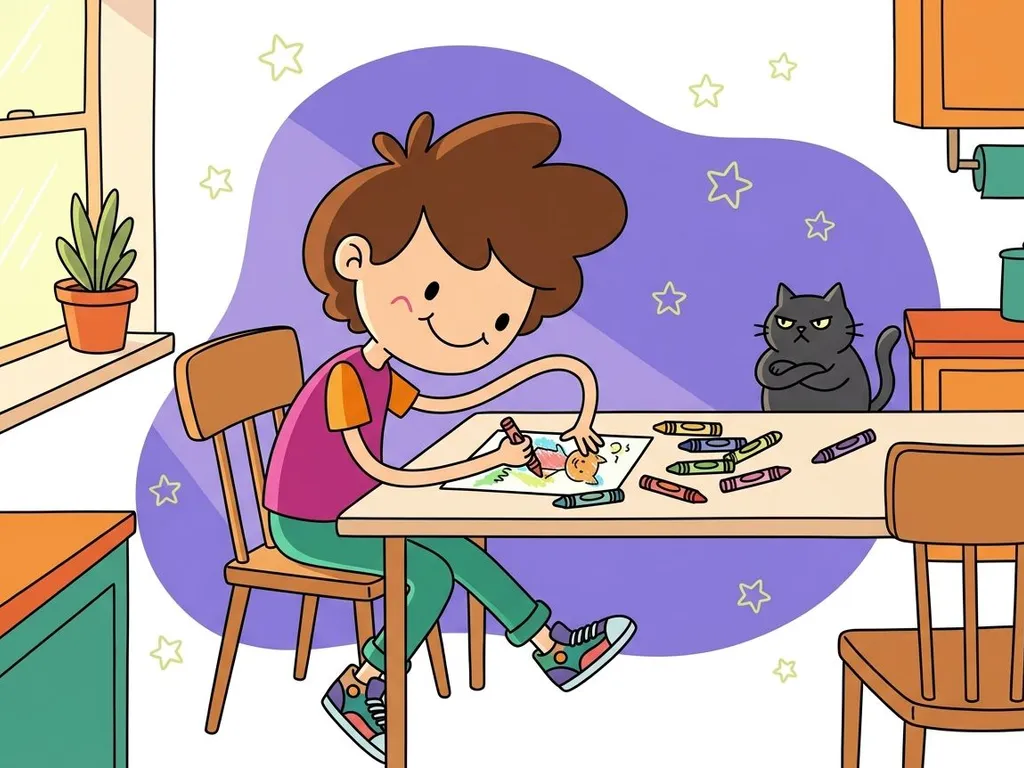
Young children need large pictures, little text, and short sets of familiar nouns or verbs. Suitable themes include toys, pets, body parts, food, and actions such as run, wash, and sleep. An adult can read the instructions while the child points, circles, colours, or draws.
For school-age kids, English vocabulary worksheets for kids can include word banks, categories, short definitions, and sentence gaps. A child might sort apple, rice, milk, and carrot into food groups, then write, “I eat rice for dinner.” Accept examples drawn from the family’s meals and culture.
School-age learners can practise synonyms, word families, collocations, and context. They might connect decide with decision, learn the phrase make a decision, and use it in a realistic situation. Older beginners may still benefit from age-appropriate pictures.
I eat an apple at lunch.
My coat is warm.
I can jump high.
The cat likes to sleep.
The bag is under the chair.
The cup is empty.
We must decide today.
She wears a blue scarf.
A Simple Routine for Using Worksheets at Home
Begin with a spoken preview. Point to each picture or word, say it naturally, and ask your child to repeat when needed. Check meaning through a choice or action: “Which one is the scarf?” or “Show me jump.” This creates less pressure than asking, “Do you understand?”
Let the child complete one section independently. End the session before attention fades. For a wrong answer, return to the picture or sentence and offer two choices. English vocabulary worksheets for kids should guide thinking rather than test whether a child can guess an adult’s answer.
Finish away from the page. Ask the child to find an object, draw a scene, act out a verb, or answer a personal question with a new word. Revisit the set on later days in a different order. Short, spaced reviews work better than one long session followed by no practice.
Choosing the Right Worksheet Format
Match the task to the learning goal. Picture matching introduces a word; a sentence task checks its use in context. Harder formats introduced too soon can hide vocabulary knowledge behind difficult reading or spelling.
A mixed page works once the words are familiar. Start with matching, continue with a sentence gap, and finish with one personal response. If handwriting causes difficulty, allow pointing, letter tiles, typing, or spoken answers. The goal is vocabulary practice; teach handwriting separately.
Practical Activities That Extend the Page
Reuse completed worksheets as games. Cut out picture and word boxes for matching, label safe household objects, or hide cards for a word hunt. Siblings can give clues without naming the target word. A multilingual child may explain a concept in another language, then retrieve the English word.
Apply vocabulary to a real-life task. Food words can support snack planning, while clothes words suit packing a bag. Place words can guide a toy around a room: “Put the bear under the chair.” These exchanges give words a purpose and encourage close listening.
Five-minute Vocabulary Challenge
Choose six words from a completed worksheet. Ask your child to draw or act out one word while you guess it. Swap roles, then cover the page and take turns using each word in a sentence. Put any forgotten word aside for tomorrow’s review.
During one-to-one work with our tutors, tutors link new words to a child’s interests and use them in speech. At home, note which prompts support recall. A picture, gesture, first sound, or sentence frame can help without revealing the full answer.
- Try English vocabulary worksheets for kids aged six to eight after breakfast.
- Practice five target words aloud using picture cards from one familiar book.
- Use a three-minute matching game to connect each word with its picture.
- Ask your child to draw two words and explain each choice.
- Repeat the worksheet on Friday, celebrating three correctly remembered words with stickers.
When a word has several meanings or pronunciations, Cambridge Dictionary is a useful check before turning it into child-friendly examples.
Frequently Asked Questions
How Many New Words Should One Worksheet Include?
Choose a set the child can practise without rushing. A young beginner may manage five or six concrete words; an experienced learner may handle more. Difficulty also matters: six abstract verbs can demand more thought than ten familiar animal nouns. If no words are recalled afterward, reduce the set or improve the examples.
Should Children Translate Every Vocabulary Word?
No. Translation can confirm meaning, especially in a multilingual family, but should not be the only route to understanding. Combine translation with pictures, gestures, objects, definitions, and examples. For empty, show an empty cup beside a full one. The child then links the English word directly to the concept.
How Often Should We Use Vocabulary Worksheets?
English vocabulary worksheets for kids can support multiple short sessions during a week. Introduce the words one day, review them through a game later, and revisit missed items afterward. Stop before attention drops sharply. Regular contact with the same words matters more than completing extra pages.
What Should I Do If My Child Dislikes Worksheets?
Identify the obstacle first. The page may be crowded, the reading too hard, or the words already familiar. Keep the vocabulary goal but change the response: let the child point, speak, draw, move cards, or type. You can also divide one page between two sessions. A worksheet is a tool, not a measure of effort or ability.
- Start with five or six words from one familiar theme.
- Practice each word through a picture, action, or spoken sentence.
- Try a short recall task after covering the worksheet.
Start your child's English journey today — book a trial lesson with LearnLink.
Stay updated on our latest tips and resources by following us on Instagram LearnLink.