How Can I Start My Child Speaking English
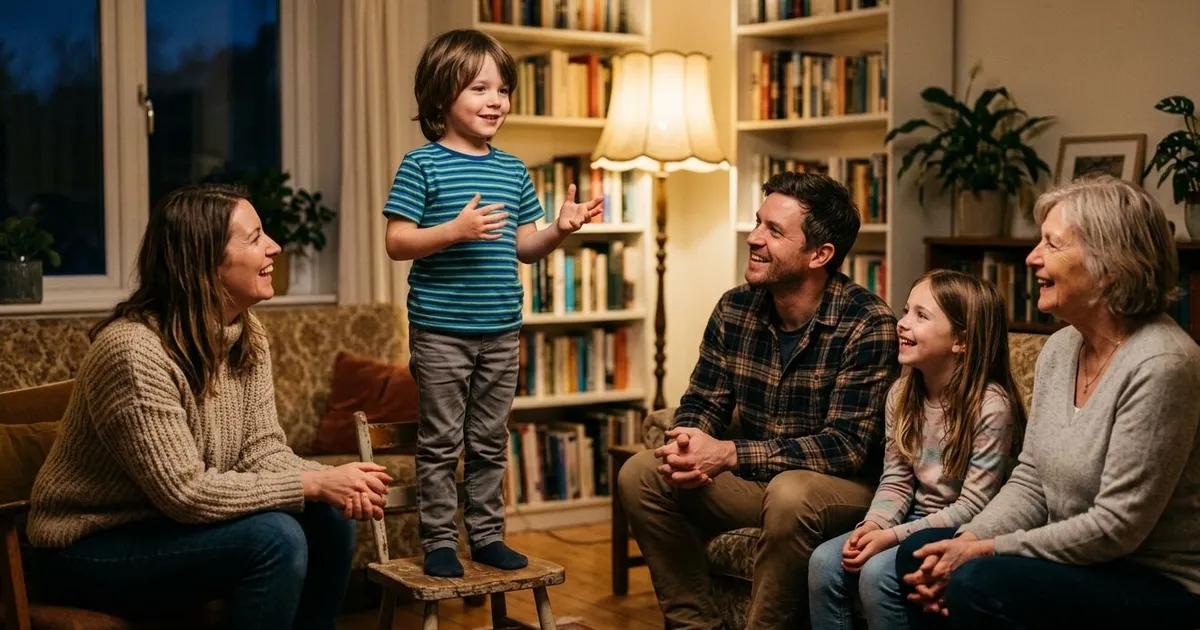
Start with 10 spoken-English minutes daily, built around one routine: greet, name, choose, answer, repeat. How can I start my child speaking English has a simple answer: create small speaking moments, not long grammar talks. A child saying “I want water,” “It is red,” and “Can I play?” already builds real speech. School-age kids need comfort and clear sounds first. Older children and young teens need short speech with correct patterns. In LearnLink lessons, tutors use one-to-one speaking practice so each child can hear, try, pause, and try again without crowded-classroom pressure.
Begin with Speech Your Child Can Use Today
The first spoken English should match your child’s day. Choose words for people, toys, food, clothes, school items, games, and feelings. “This is my bag,” “I like apples,” and “I am tired” help sooner than rare animal names or long vocabulary lists.
For a 5-year-old, start with one-word and two-word answers: “red car,” “big dog,” “more juice.” For a 9-year-old, use short full sentences: “I have a blue pencil,” “I don’t like onions,” “Can I sit here?” For a 13-year-old, keep basic words but make each thought personal: “I prefer music because it helps me focus.” For parents, How can I start my child speaking English works best when practice is short, visual, and repeated every week.
If you are thinking, How can I start my child speaking English when they are shy, begin with choices. Ask, “Tea or milk?” “Blue or green?” “Jump or clap?” A choice gives half the answer before speech starts.
Use a Simple Daily Speaking Routine
A routine lowers stress because your child knows the order. Use one sequence for a week: hello, weather, feelings, one object, one action, goodbye. Stop before your child gets tired.
Use this home routine across ages. Say hello in English. Ask, “How are you?” Let your child point if needed, then model: “I am fine,” “I am sleepy,” or “I am hungry.” Choose one object and make three sentences: “It is a cup. It is white. It is on the table.” Then ask your child to change one word. For parents, How can I start my child speaking English works best when practice is short, visual, and repeated every week.
Do not correct every sound together. If your child says “It white,” answer warmly: “Yes, it is white.” Talk keeps moving, and your child hears the right pattern without practice becoming a test.
Choose the Right Starting Words and Sentence Frames
Children speak sooner with sentence frames, not word lists alone. A frame gives one safe pattern plus one changeable part. “I like ___,” “I can ___,” “This is ___,” and “Where is ___?” help children build sentences from a small base.
Use words children can act, touch, or show. Verbs such as run, jump, draw, eat, drink, open, close, look, and listen work well because your child can do them while speaking. Nouns such as ball, book, pen, shoe, door, water, apple, and bag sit nearby at home and are easy to point to.
Make Grammar Useful, Not Heavy
Early speaking needs grammar, but speech should carry it. Start with “to be,” “have,” “like,” “can,” and present tense. These forms power first conversations: “I am six,” “She is my sister,” “I have a cat,” “We like pizza,” “Can you help me?”
For younger children, teach grammar through pairs. Say “I am happy” and “You are happy.” Hold up one toy: “It is small.” Hold up two toys: “They are small.” Contrast teaches more than a rule sheet.
Older children can handle a short rule after examples. For present simple, say: “Use it for habits and facts.” Then practise: “I play football on Monday,” “My brother speaks French,” “Water is cold.” Keep the rule under one minute and give more time to speaking.
Practice: Build Five First Sentences
Ask your child to complete these aloud: 1. I am ___. 2. I like ___. 3. I can ___. 4. This is ___. 5. I want ___. If your child gets stuck, give two choices: “I am happy or I am tired?”
Turn Listening into Speaking
Listening comes before speech, but it should not stay passive. After a song, cartoon clip, or short story, ask your child to repeat one line, name one object, or answer one yes-or-no question. Skip full-text review. Pull one small piece into speech.
Use echo, then change. You say, “I see a cat.” Your child repeats. Then show a dog and prompt, “I see a…” This small change makes your child think and speak. With older children, change more: “I see a cat” becomes “I saw a cat yesterday” or “I don’t see a cat.”
If your child already speaks two or three languages, do not treat that as a problem. Multilingual children may need more time to sort forms, but they already know words change across languages. Keep English input steady, and do not force them to drop the home language.
Correct Mistakes Without Stopping Confidence
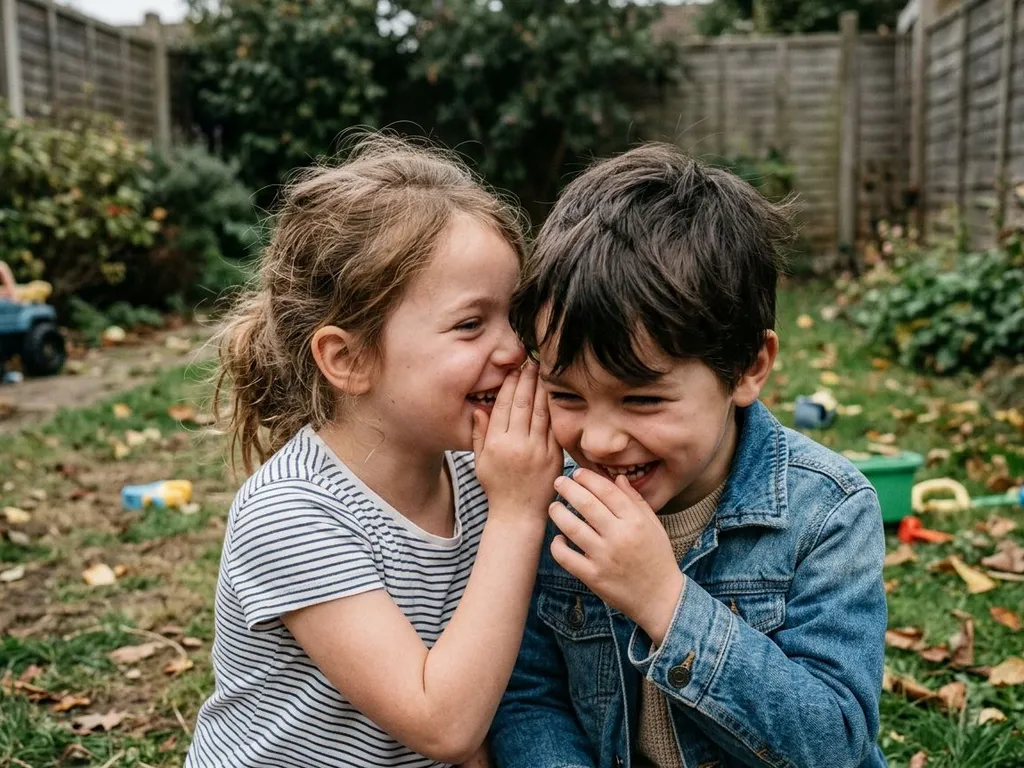
Children need correction, but timing matters. During free speaking, correct by reforming the sentence. If your child says “She have a dog,” answer, “Yes, she has a dog.” Then ask a new question with the same pattern: “Does she have a cat?”
Save direct correction for one target at a time. In one week, focus on “I am,” not every verb ending and sound. In another week, focus on “he has” and “she has.” Children hear progress instead of feeling watched.
When parents ask How can I start my child speaking English without bad habits? Use steady modelling plus light correction. A child does not need perfect speech first. They need enough correct language nearby to notice and improve.
Practice: Fix One Pattern
Read each sentence and ask your child to say the better version: “He have a ball.” “She like apples.” “I am go home.” Answers: “He has a ball.” “She likes apples.” “I am going home” or “I go home,” depending on the meaning.
Know When Lessons Can Help
Home practice helps, but children often speak more freely with a tutor because the role is defined. A tutor can set level, pace practice, and give repeated speaking turns. In one-to-one lessons, quiet children get more answer time than they often get in a group.
At LearnLink, English lessons are for children aged 4-15, so each speaking task can fit age and stage. A young learner may name toys, act verbs, and answer short questions. An older learner may describe pictures, compare ideas, and give reasons in full sentences.
If your search is How can I start my child speaking English, a trial lesson can give a practical starting point: what your child understands, what they can say now, and which sentence frames should come next. It should feel like a level check, not an instant-fluency promise.
What Progress Can Look Like in the First Month
Progress is not only “speaks a lot.” In the first weeks, notice smaller signs: your child answers faster, repeats with less strain, remembers a frame, or uses one English phrase outside practice time. These are real steps.
A 4-6-year-old may move from pointing to “red,” then “red car,” then “It is a red car.” A 7-10-year-old may start with fixed answers and then create new ones: “I like cats” becomes “I like cats because they are funny.” A teen may need fewer games and more choice, such as sport, music, school, or online safety.
Keep one short note weekly: three phrases your child used, one mistake to practise, and one topic they liked. You get a progress view without turning English into a score chart.
Practice: Two-minute Picture Talk
Choose any picture at home. Ask three questions: “What can you see?” “What color is it?” “What is happening?” Younger children can answer with one or two words. Older children should try full sentences and one reason.
When a word has several meanings or pronunciations, Cambridge Dictionary is a useful check before turning it into child-friendly examples.
Frequently Asked Questions
How Much English Should My Child Speak Each Day?
Ten minutes a day is a good beginner start, especially for school-age kids. Short daily practice usually beats one long weekend session. Use a fixed routine, then stop while your child still has energy. Older children can manage 15-20 minutes when the topic feels relevant, not childish.
Should I Speak English at Home If My Own English Is Not Perfect?
Yes, if you keep it basic and use correct models when you can. You do not need to teach every rule. Use safe phrases such as “Open the door,” “Wash your hands,” “I like this,” and “Good night.” If unsure, use audio from a lesson, book, or trusted children’s resource so your child hears natural pronunciation too.
What If My Child Understands English but Will Not Answer?
Start with low-pressure answers. Let your child point, choose between two words, or repeat after you. Then ask for one changed word: “I like bananas” becomes “I like apples.” Some children need quiet build-up before speaking. Do not turn silence into a battle; make each speaking turn small enough to complete.
How Can I Start My Child Speaking English If They Already Learn It at School?
How can I start my child speaking English if school already teaches the basics? Use school English for real talk at home. If class is learning colors, ask “What color is your bag?” If they are learning animals, ask “Which animal do you like?” School may give words, but home practice helps your child use them. Focus on short answers, then full sentences.
When Should My Child Start One-to-one English Lessons?
One-to-one lessons can help when your child needs more speaking turns, a defined level, or a calmer space than a group class. They also help when a parent does not know what to practise next. The tutor should match tasks to age, attention span, and current English, then build step by step. If you still wonder, How can I start my child speaking English, a lesson can turn that question into a clear first plan.
A short one-to-one lesson can show what level and pace fit your child — book a free English lesson.
Stay updated on our latest tips and resources by following us on Instagram LearnLink.