English Conversation Class for Children
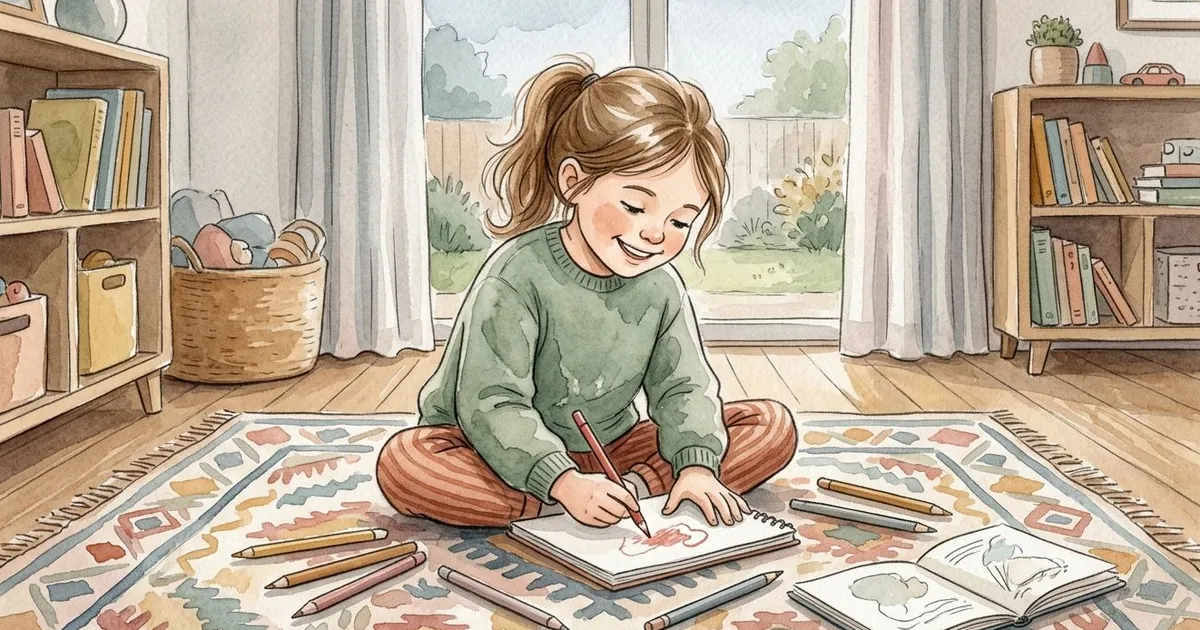
How to choose an English conversation class for children comes down to five checks: age, speaking time, tutor skill, lesson structure, and progress updates for the family. A strong class is not just “more English on screen.” It helps a child listen, answer, ask, play with words, and feel safe making small mistakes. For ages 4-15, the right choice changes with age. A 5-year-old needs songs, movement, and turn-taking. A 12-year-old needs real topics, clear feedback, and longer speaking turns. This guide helps families compare options before booking.
📥 Conversation Class Starter Phrases
A printable phrase bank for children to use before, during, and after an English speaking lesson trial.
Leave your email — we'll send the PDF to your inbox.No spam — the PDF plus one short reminder. Unsubscribe anytime.
What Families Need to Know First
An English conversation class should give your child regular chances to speak, not only repeat after a tutor. Repetition helps young learners, but conversation means the child makes choices: “I like the blue one,” “Can I have a turn?” “I think the story is funny.” These choices build real language use.
When families ask How to choose an English conversation class for children, we suggest looking beyond the label. Some “conversation” lessons are grammar drills. Others are friendly chats without a plan. The right middle ground is warm, structured practice: a clear aim, target words, model sentences, guided speaking, and a short review.
For first-time online learners, comfort matters. The child should know the lesson flow: greeting, warm-up, main task, speaking game, review. Predictable lessons help children relax, especially if they use two or three languages at home and need time to switch into English.
Match the Class to Your Child’s Age
A 4- to 6-year-old learns conversation through play, pictures, rhythm, and short answers. Lessons should move quickly between tasks. A young child may start with single words: “red,” “dog,” “happy.” That works if the tutor builds them into phrases: “It is red,” “The dog is happy.”
Children can handle short dialogues, role-play, picture description, and opinion work. They can learn classroom phrases such as “Can you repeat that?” and “I don’t know yet.” These phrases keep conversation moving when the child is stuck.
Older children and young teens, about 11-15, need topics that respect independence: hobbies, school life, games, books, sports, music, travel, or plans. A strong class still corrects errors, but does not interrupt every sentence. The child needs space to finish a thought before feedback.
What a Strong Trial Lesson Should Show
A trial lesson should show more than a kind tutor. Kindness is the floor, not the method. You should see how the tutor checks level, invites speech, supports mistakes, and adapts when a task is too easy or too hard.
In a first lesson, the tutor may ask questions, show pictures, use a short game, or invite the child to describe something nearby. For a shy child, the tutor may offer choices before open questions: “Is it big or small?” before “Tell me about it.” That bridge matters.
If you are deciding How to choose an English conversation class for children, listen for the child’s speaking share. The tutor should not speak for most of the lesson. Beginners may speak less at first, but they still need regular turns, gestures, choices, and short answers that grow into full sentences.
Compare Lesson Formats Before You Decide
Different formats serve different needs. One-to-one lessons often fit children who are new to online learning, shy, easily distracted, or uneven across skills. Group lessons can be lively, but speaking time per child may be lower.
Length matters too. A 25-minute lesson can suit younger children or beginners who need short bursts of focus. A 50-minute lesson can work for older children, stronger learners, or children who enjoy projects and deeper discussion. The right length is the one your child can use well, not the one that sounds serious.
Questions to Ask Before Booking
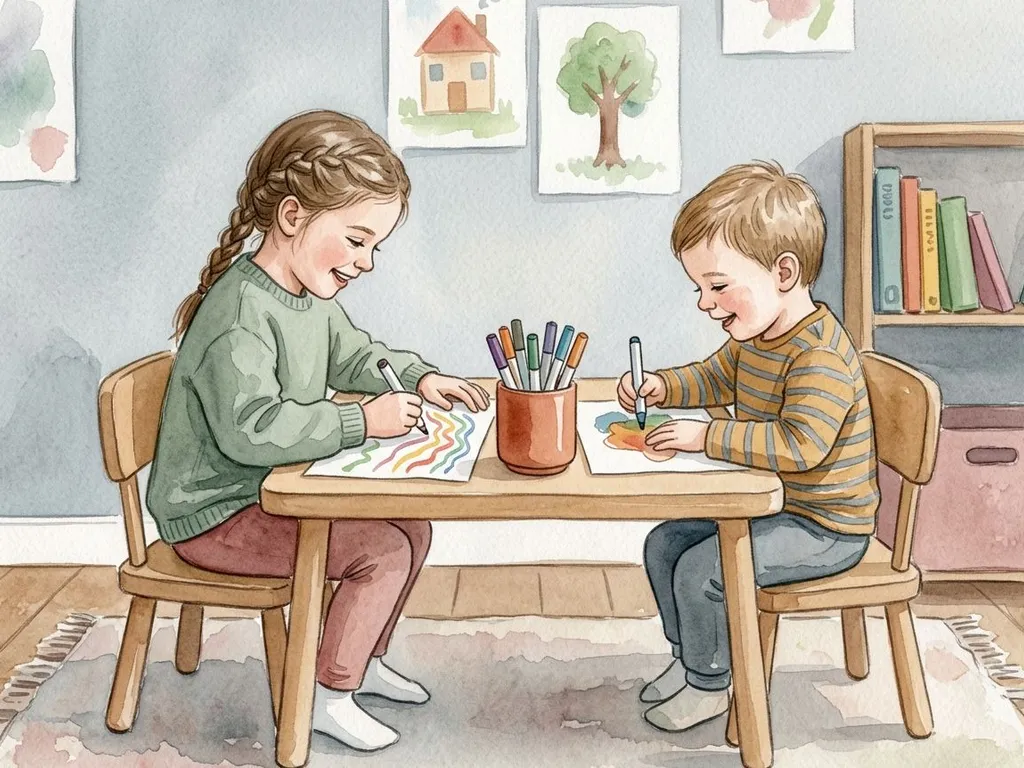
Ask how the class will help your child speak more, not only “learn English.” A useful answer mentions warm-ups, sentence frames, topic practice, role-play, correction, review, and progress notes. A weak answer stays vague: “We make lessons fun” or “Children speak naturally.” Fun needs a method.
Ask what happens when your child does not understand. Strong tutors do not repeat louder. They rephrase, show a picture, give two choices, model the first words, or let the child point before speaking. This protects dignity in the lesson.
Ask how progress is shared. For parents, progress should be concrete: new words used, sentence patterns practised, listening strengths, pronunciation points, and what to try at home. This is central to How to choose an English conversation class for children because families need to see learning over weeks, not guess from smiles after class.
How to Use the Class at Home
Home practice should be short and calm. Five minutes after a lesson is enough for many children. Ask your child to teach you three words, repeat one class sentence, or show the action from a song or game. The aim is recall, not a second lesson.
Keep English tied to real life. At breakfast, a child can choose: “milk or water?” While packing a bag, they can name “book,” “pencil,” “snack.” For older children, ask one opinion question: “Which game was harder?” or “What was funny in the story?” Daily use helps conversation feel normal.
Do not correct every error at home. If your child says, “He like pizza,” answer naturally: “Yes, he likes pizza.” This gives the correct form without turning family time into a test. Across LearnLink lessons, tutors can handle direct correction when the child is ready.
Five-minute Family Speaking Check
After class, ask your child three questions: “What word did you use today?”, “What question did you answer?”, and “What was easy or hard?” Let younger children point, draw, or answer with one word. Let older children give a full sentence and one example.
Age-appropriate Signs of Progress
For school-age kids, progress may look small from the outside. A child may start joining greetings, naming colours or animals, copying short phrases, or answering with a gesture plus one word. That is conversation growth because the child is learning to take a turn in English.
For school-age kids, look for fuller answers and classroom language. A child may move from “dog” to “The dog is under the table,” or from silence to “Can you help me?” These signs show the child is using English to manage the lesson, not only complete an exercise.
For school-age kids, progress often shows in longer turns, clearer opinions, and repair after mistakes. A learner may say, “I forgot the word, but it is like a small house for a dog.” That skill matters. Real speakers explain around missing words.
- Ask your child to retell one picture book in three simple sentences.
- Record a two-minute conversation weekly and note clearer answers or new words.
- Practice five age-appropriate questions before choosing an English conversation class.
- Compare progress against your child's age, confidence, attention, and speaking habits.
- Choose a trial class where teachers correct gently and invite full sentences.
When a word has several meanings or pronunciations, Cambridge Dictionary is a useful check before turning it into child-friendly examples.
Frequently Asked Questions
How Many Lessons Does a Child Need Each Week?
For many children, one or two lessons a week is a steady start. Younger children often do better with shorter, regular contact than rare long sessions. Older children may benefit from longer lessons if they can focus and want more discussion. The best rhythm is one your family can keep without stress.
Should My Child Know Grammar Before Joining a Conversation Class?
No. Children can begin speaking before they know grammar terms. A good tutor models patterns such as “I have,” “I like,” and “Can I?” through games, pictures, and real questions. Grammar can be named later when the child is ready. For younger learners, use comes before explanation.
What If My Child Is Shy or Refuses to Speak?
Shy children need low-pressure turns. The tutor can begin with pointing, choosing, drawing, yes-no answers, and repeated phrases. Over time, the child can move toward short sentences. When thinking about How to choose an English conversation class for children, check whether the tutor has a plan for quiet learners, not only confident ones.
Is an Online Conversation Class Enough Without English at Home?
It can be a strong base, especially with regular lessons and a tutor who gives the child real speaking time. Home support makes it stronger, but it does not need to be complex. A few minutes of review, songs, picture books, or family phrases can help your child meet English between lessons.
A short one-to-one lesson can show what level and pace fit your child — book a free English lesson.
Stay updated on our latest tips and resources by following us on Instagram LearnLink.