How to Teach Your Child English
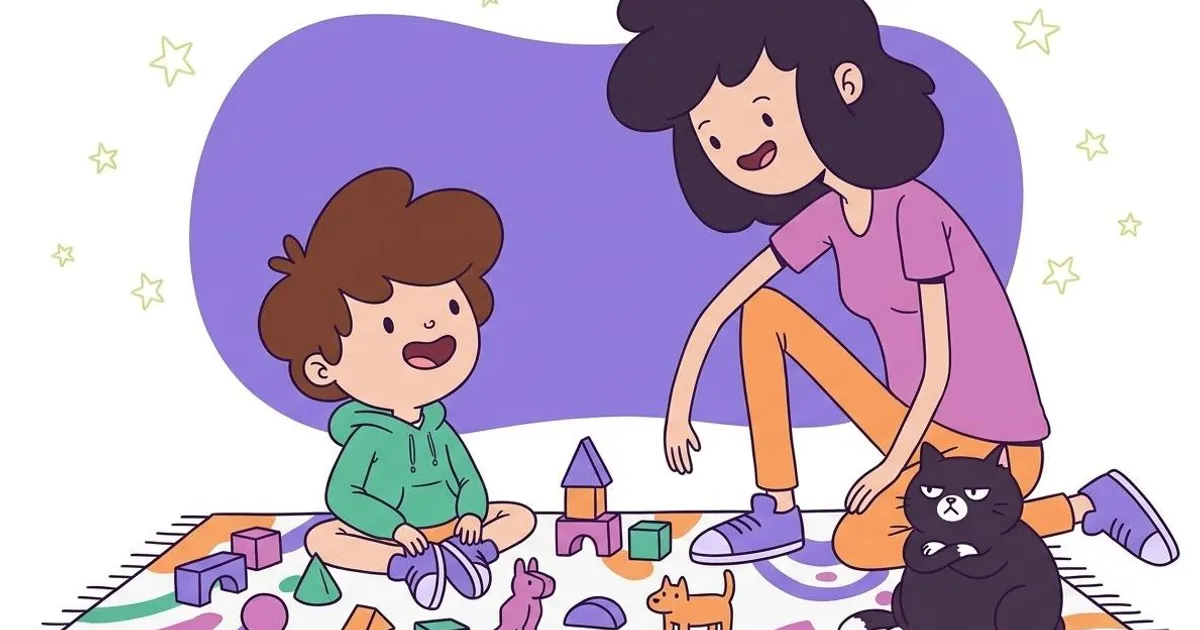
A child learns English through short, repeated use in real situations, not long grammar talks or pressure to speak perfectly. How to Teach Your Child English: A Practical Guide to Modern Methods and Techniques for Families starts with one idea: make English practical, warm, and regular at home. For a 5-year-old, name toys during play. For a 10-year-old, read a comic and retell one scene. For a teenager, plan a hobby project in English. The method changes with age, but the aim stays: steady contact, meaning, and confidence to try.
📥 Home English Starter Cards
A practical word-and-phrase set for building a small weekly English rhythm with children ages 4–15.
Leave your email — we'll send the PDF to your inbox.No spam — the PDF plus one short reminder. Unsubscribe anytime.
What Families Need to Know Before Starting
Children do not need flawless English at home to progress. They need a calm adult, a routine, and small chances to understand and answer. If your English is not fluent, set up songs, books, games, video clips, and short family phrases that repeat each week.
For multilingual children, English becomes another tool, not a replacement for the home language. Keep your strongest family language rich and respected. A child who can explain feelings, stories, and ideas in one language has a stronger base for learning another.
Use How to Teach Your Child English: A Practical Guide to Modern Methods and Techniques for Families as a home plan, not a test. Do not correct every sentence. Help your child hear, understand, choose words, and speak with more ease.
Build a Small Weekly Rhythm
Ten minutes a day usually works better than one long Sunday lesson. Choose a time that already exists: breakfast, the walk to school, bath time, screen time, or bedtime reading. English becomes part of family life, not another heavy task.
A weekly rhythm has three parts: input, play, and use. Input means your child hears or reads English. Play means language through movement, drawing, matching, singing, or acting. Use means your child answers, asks, chooses, labels, or tells something short.
For example, Monday can be a song, Tuesday a picture book, Wednesday a matching game, Thursday a short cartoon clip, and Friday a family review. Keep one topic for a few days: animals, food, rooms, feelings, weather, sports, or school life.
Choose Methods That Match How Children Learn
Modern English teaching for children starts with meaning. A child should understand what is happening before repeating or writing. Pointing, pictures, objects, gestures, facial expressions, and real tasks connect English with life.
The table below shows methods and when they work well at home.
How to Teach Your Child English: A Practical Guide to Modern Methods and Techniques for Families works when families combine these methods. One song will not teach a language alone. One worksheet will not either. Listening, play, talk, reading, and gentle review give the child more ways in.
Use English at Home Without Turning into a Teacher
You do not need formal kitchen-table lessons. Start with family phrases: “Shoes on,” “Wash your hands,” “Choose one,” “Your turn,” “Five more minutes,” “Where is your bag?” Say them in the same setting, with the action beside the words.
When your child answers in another language, accept the meaning first. Model the English back: “Yes, you want the blue cup.” The conversation keeps moving, and the child hears the phrase without feeling stopped or judged.
For children who resist speaking, reduce the demand. Let them point, choose, match, draw, act, or answer with one word. Speaking grows from safety. A quiet child may be learning a lot before speech appears.
Examples by Age
For school-age kids, keep English physical and concrete. Use toys, songs, animals, colours, food, body parts, and family routines. Try “Find something blue,” “Touch your nose,” or “Put the bear under the chair.” Grammar is heard inside action, not explained.
For school-age kids, add stories, choices, and short sentences. Ask “Do you like apples or bananas?” “What can the robot do?” “What happened first?” Children at this age often enjoy collecting words, making mini-books, and playing guessing games.
For school-age kids, respect their interests. English can connect to music, sport, coding, art, science, fashion, travel, or gaming, with family limits on media. Ask for a short review, a voice note, a comic strip, a recipe, a match report, or a three-slide presentation. How to Teach Your Child English: A Practical Guide to Modern Methods and Techniques for Families should feel more grown-up for this age group, with choice and purpose.
Practical Activities for the Week
Choose one topic for five days. If the topic is food, Monday is naming food at the table, Tuesday is a shopping list, Wednesday is “I like / I don’t like,” Thursday is a pretend cafe, and Friday is a family menu in English. Repetition stays fresh when the task changes.
Use one correction rule: correct only what blocks meaning or what you have just practised. If the focus is “I like,” model “I like rice,” but do not fix every article, plural, or tense in the same sentence.
Seven-minute Home Practice
Pick five words from one room. Say each word while touching the object. Ask your child to point to three of them. Then hide one object or picture and ask, “What is missing?” End with one useful sentence, such as “The spoon is on the table” or “My book is in my bag.”
Keep a small record, but avoid a school-report feel. A notebook with “new words,” “phrases we can use,” and “books or clips we liked” is enough. Progress becomes visible across months, not only day to day.
Common Mistakes to Avoid
The first mistake is waiting for the ideal app, accent, teacher, or age. Start small and improve the routine as you learn what your child enjoys.
The second mistake is pushing output too early. Children need plenty of listening before speech becomes steady. If a child understands “Put the pencil next to the book,” that is progress, even with a silent answer.
The third mistake is making English a correction zone. If every English moment becomes “Say it again” or “That is wrong,” the child may speak less. How to Teach Your Child English: A Practical Guide to Modern Methods and Techniques for Families works when English is linked with warmth, choice, humour, and real success.
- Start with ten minutes of English play for ages three to six.
- Read one picture book aloud, asking three simple prediction questions.
- Practice five new words daily using toys, drawings, or household objects.
- Use songs with gestures to build pronunciation without pressure or correction.
- Celebrate one clear effort, not every mistake, after each short activity.
When a word has several meanings or pronunciations, Cambridge Dictionary is a useful check before turning it into child-friendly examples.
Frequently Asked Questions
What Is the Best Age to Start English?
You can start with songs, stories, and short phrases from the preschool years, but there is no single last chance. A 4-year-old may learn through movement and sound. A 12-year-old can use memory, interests, and goals. The right age is when you can offer steady, low-pressure contact.
Should Parents Speak English at Home If They Make Mistakes?
Yes, if you keep it short and use strong models alongside your own speech. Say family phrases, read aloud from reliable books, and play audio from trusted sources. Your child does not need flawless English. They need consistency, kindness, and a parent willing to learn with them.
How Much English Practice Does a Child Need Each Day?
For families, 10 to 15 minutes of focused contact is a realistic start. Younger children may do three short bursts instead of one block. Older children can handle longer reading, projects, or online lessons. Daily rhythm matters more than a large amount done once in a while.
What If My Child Understands English but Refuses to Speak?
Do not force public speaking or repeat-after-me drills. Offer safe answers: pointing, matching, yes/no, one word, drawing, or acting. Then model a short sentence yourself. Over time, private speech, whispering, and one-word answers often grow into fuller speech when the child feels ready.
Can Online Lessons Help with Home Learning?
Online lessons help when they give the child live speaking time, structure, and age-fit feedback. Home practice still matters because it keeps English present between lessons. How to Teach Your Child English: A Practical Guide to Modern Methods and Techniques for Families is not about choosing one path; it is about making the pieces work together.
Start your child's English journey today — book a trial lesson with LearnLink.
Stay updated on our latest tips and resources by following us on Instagram LearnLink.